
Uganda’s Prison Crisis Deepens: Overcrowding Hits 345% as Inmate Numbers Surge
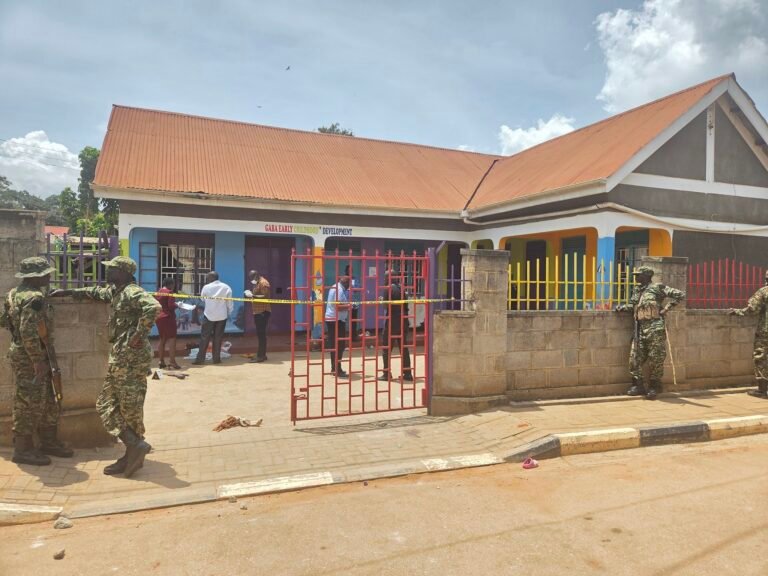
Uganda’s prisons are buckling under a severe overcrowding crisis, with facilities holding nearly four times their intended capacity—a situation driven largely by prolonged remand periods and projected to worsen dramatically by the end of the decade.
As of March 30, 2026, Uganda Prisons Services held 80,110 inmates against an official capacity of just 23,104, resulting in an occupancy rate of 345%, according to Samuel Akena, Deputy Commissioner General. The excess of 56,916 prisoners means that every single designed prison space is effectively occupied by four people.
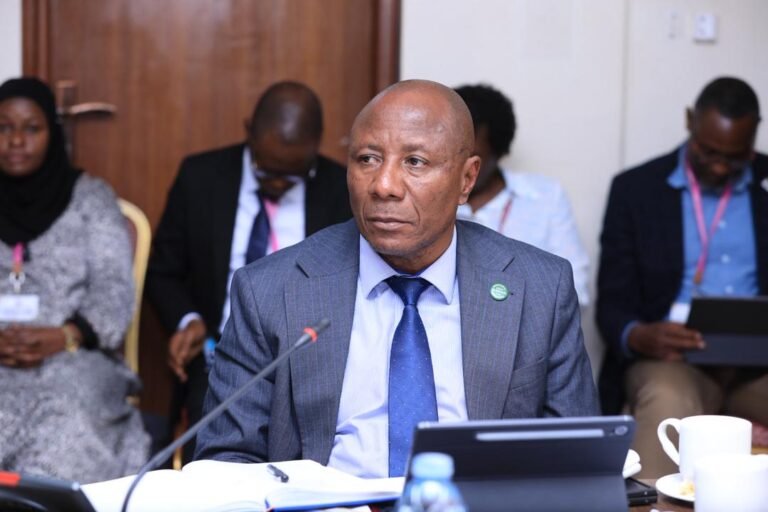
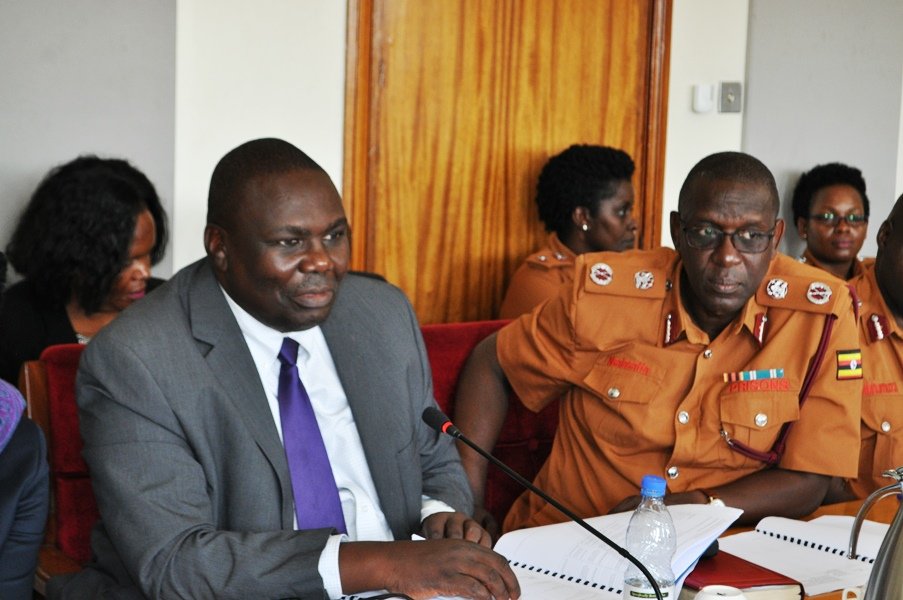
“This is the biggest challenge we have and it is the biggest cost driver for our budget,” Mr. Akena told Parliament’s Defence and Internal Affairs Committee.
Lawmakers heard that the prison population is growing at an annual rate of 7%, primarily fuelled by extended periods spent on remand. Samuel Emigu, Undersecretary for Uganda Prisons Services, warned that unless urgent action is taken, the inmate count is projected to reach 111,822 by 2030—nearly double the current holding capacity.
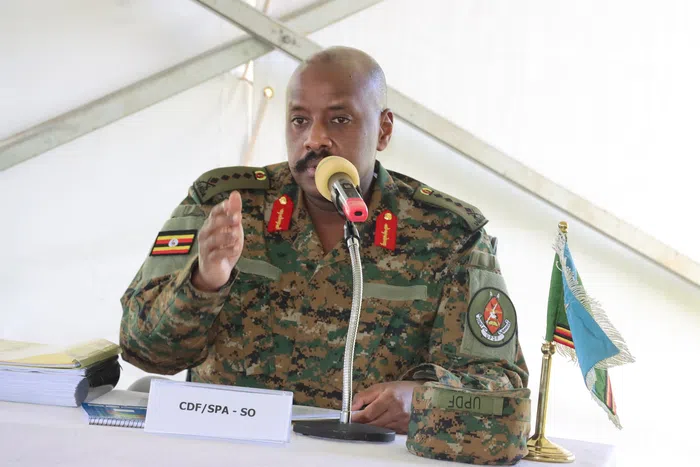
“This increased population is against the holding capacity that we have of 23,184 prisoners. We have excess capacity of 56,085. The projected increase in prisoner population is 111,822 prisoners by year 2030, and therefore that calls for urgent attention in the planning and management of the matter of congestion,” Mr. Emigu said.
To address the shortfall, the prisons service is seeking an additional UGX 75.099 billion to construct 50 prison wards, three local security prisons, and regional minimax facilities.
Divergent Views on Solutions
The proposed expansion has highlighted a broader debate on how best to resolve the crisis. While prison authorities are pinning hopes on the introduction of a parole system—slated for rollout in the 2026/27 financial year—the Minister of Internal Affairs, Kahinda Otafiire, has argued that plea bargaining and parole alone will not suffice.
Mr. Otafiire told the committee that the government must instead prioritise building more prisons and appointing additional judicial officers to expedite case hearings. He pointed to a stark injustice facing many convicts: individuals sentenced to six months often languish in custody for three years while awaiting the resolution of their cases.
“Now, they can’t plea bargain because to plea bargain will be for themselves. You have been in jail for three years whereas you would have served six months. When you plea bargain, you are still convicted; it is on record, it is a catch-22. But if you don’t plea bargain, you don’t get out,” the Minister explained.
Parole as a ‘Game Changer’
Despite the Minister’s reservations, Uganda Prisons Services views the impending parole system as a critical tool to reduce congestion. Responding to queries from committee chairperson Wilson Kajwengye, Mr. Akena confirmed that preparations are nearly complete.
“The parole, we have moved very far and what is now remaining are the regulations, finalisation of the regulations. Otherwise, we believe that to some extent it will be a game changer for us,” Mr. Akena said. He noted that parole would apply to convicts, not remand prisoners, underscoring the need to also address delays in the judicial process.
With the inmate population projected to exceed 111,000 by 2030 and infrastructure funding still under consideration, officials warn that without a combination of expanded facilities, judicial reforms, and the implementation of parole, the crisis will continue to strain both prison operations and the national budget.
(Photos by @UgandaPrisons)
About The Author