
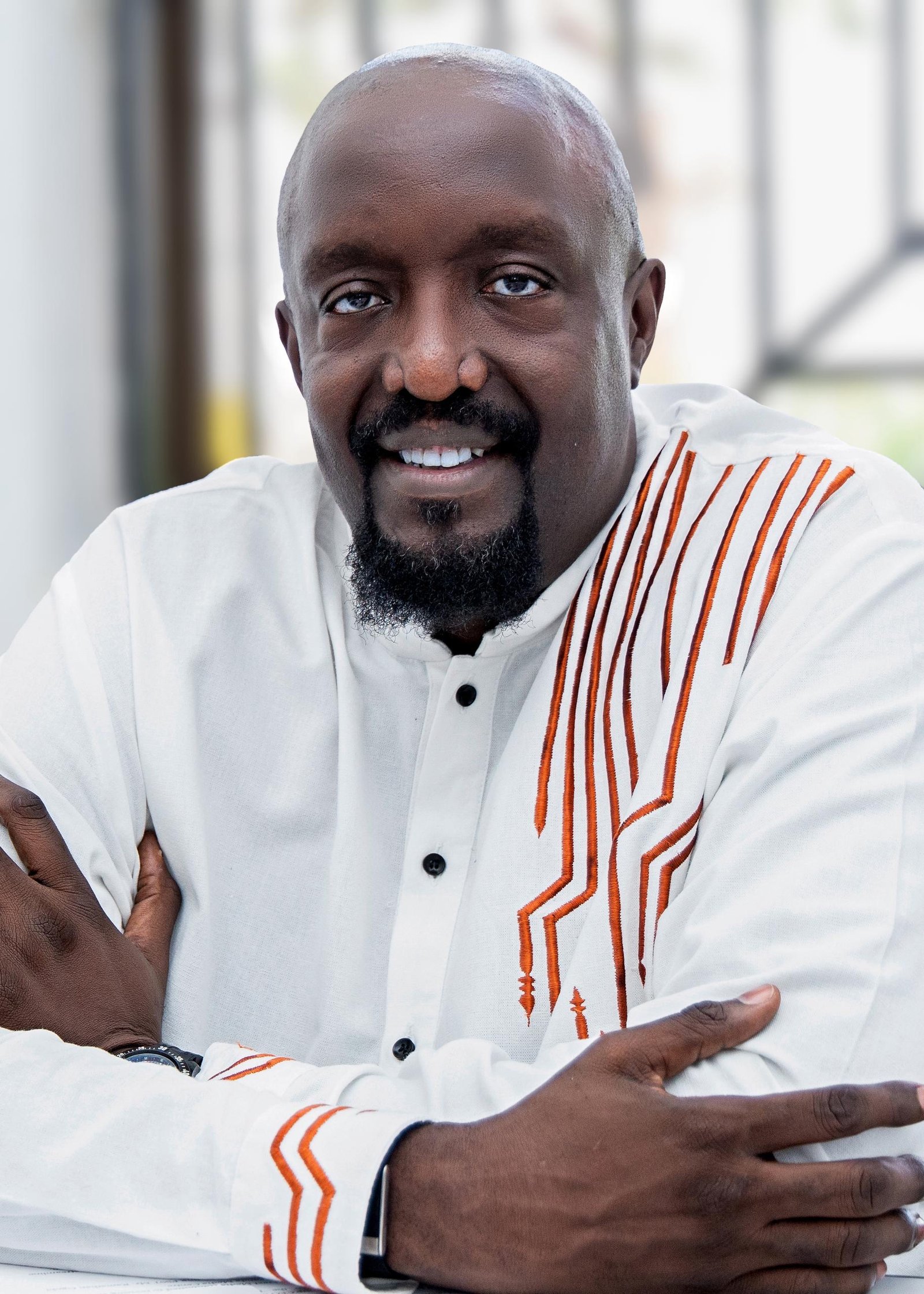
Ex-BBC Journalist Allan Kasujja Takes Helm at Uganda Media Centre, Vows to Reshape National Narrative
KAMPALA, Uganda — In a passionate inaugural address, new Uganda Media Centre Executive Director Allan Kasujja has called for a fundamental shift in how Uganda communicates its achievements to the world, arguing that the country’s quiet competence is becoming a liability on the global stage.
Kasujja, a former BBC journalist, drew on his experience covering the COVID-19 pandemic from London to illustrate what he describes as a persistent pattern of African solutions being overlooked by international media.
“During the COVID-19 pandemic, when the world was groping in the dark for answers, I watched President Yoweri Museveni’s national addresses religiously,” Kasujja wrote in a piece published Tuesday. “I was in London, working at the BBC, watching one of the wealthiest nations on earth struggle to make sense of what was unfolding.”
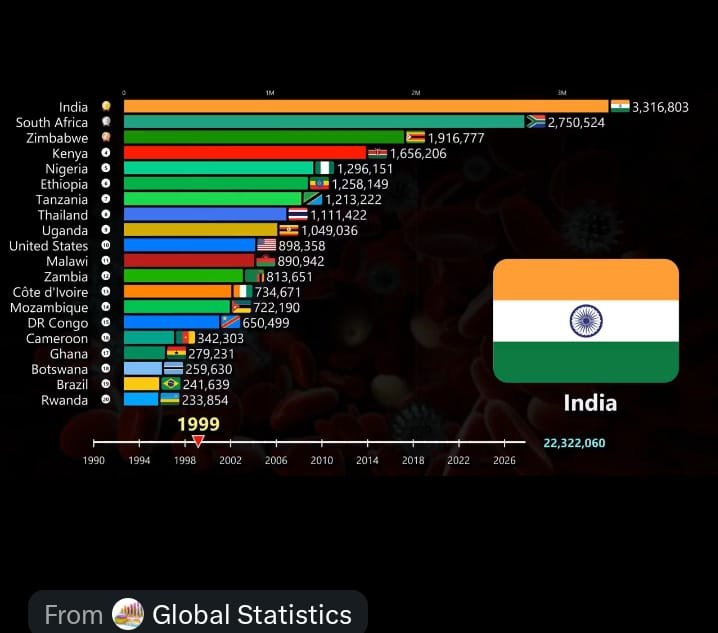
Despite the United Kingdom allocating nearly 15% of its GDP to fighting the pandemic, the country reported hundreds of deaths daily—sometimes thousands. Meanwhile, Uganda confirmed its first COVID-19 case in March 2020, and by late September had recorded just 75 deaths with just over 8,000 cases.
“Uganda—many times poorer, with a fraction of the health infrastructure—was holding its own against something that had broken wealthy nations,” Kasujja observed. “That wasn’t luck or coincidence. That was a considered response, rooted in a very particular kind of strategic thinking.”
A Bush War Strategy for a Pandemic
Kasujja credited President Museveni with drawing on unconventional experience from the National Resistance Army’s bush war era to navigate the crisis: to accurately assess an adversary, you stop, observe, and only then act.
“That instinct kept people alive” during the guerrilla war, Kasujja noted. But he warned that in today’s world—where perception shapes investment, policy, and partnerships—”that same silence becomes a liability.”
A Failed BBC Interview
Kasujja revealed that he had pushed for a BBC interview with President Museveni as the pandemic unfolded, believing the world needed to hear Uganda’s story. While newsroom editors were interested, the interview never materialized—a missed opportunity he described as part of a larger pattern.
“No African country was featuring meaningfully in the global COVID-19 conversation,” he wrote. “The narrative was being written elsewhere, about elsewhere. Yet here was Uganda offering something genuinely useful—proof that resources alone don’t determine outcomes.”
Nation Building, Not Public Relations
Kasujja, who was appointed executive director of the Uganda Media Centre under the Ministry of ICT and National Guidance, framed his mission as something more substantial than image management.
“This is not about public relations. It is nation building—and there is a difference,” he said. “Uganda has set its sights on a $500 billion economy by 2040. That is achievable. But only if we own our narrative, push back against those who misrepresent us, and make sure that when this country does something remarkable, the world actually hears about it.”
He concluded with a simple message: “We have the stories. We have the evidence. We just need to start telling them.”
Published: Tuesday, 07 April 2026 | Uganda Media Centre, Plot 36, Nile Avenue, Kampala
About The Author