
Russia and China Block UN Security Council Resolution on Persian Gulf Navigation Security
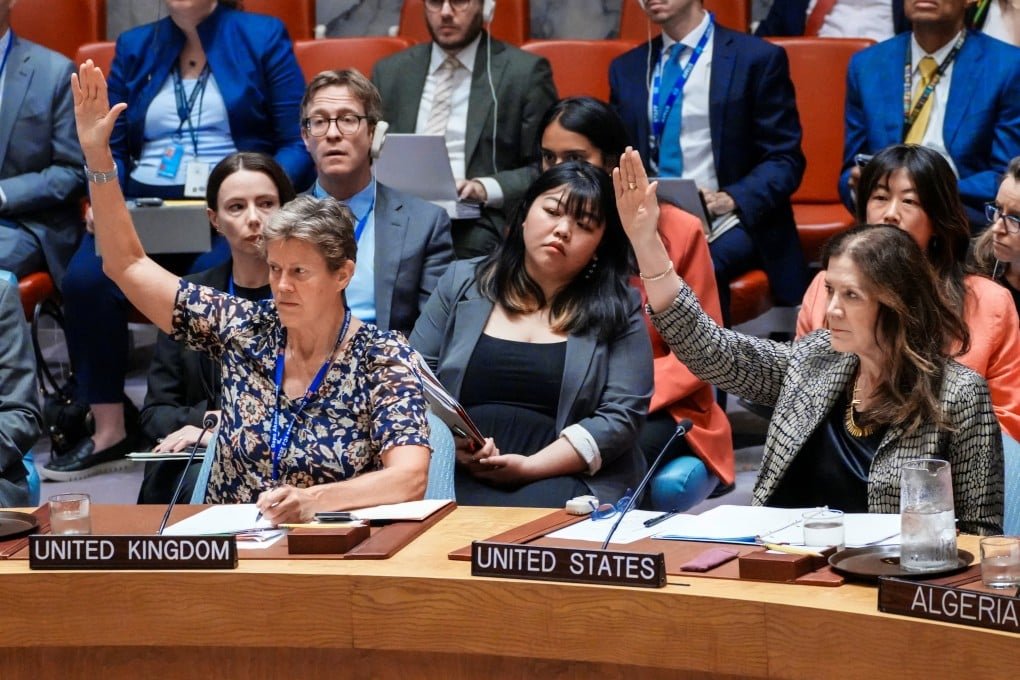
UNITED NATIONS – The United Nations Security Council on April 7 voted on a draft resolution concerning the security of navigation in the Strait of Hormuz and adjacent waters, but the measure failed after Russia and China cast vetoes.
The draft resolution, prepared by Bahrain with the participation of Jordan, Qatar, Kuwait, the United Arab Emirates, and Saudi Arabia, received affirmative votes from eleven Security Council members. Two countries – Colombia and Pakistan – abstained. The opposing votes from permanent members Russia and China prevented the document’s adoption.
In the days leading up to the vote, Moscow made concerted efforts through various diplomatic channels, including contacts between Russian Foreign Minister Sergey Lavrov and his Arab counterparts, urging Arab partners not to rush consideration of the draft. Russian diplomats argued the measure could undermine ongoing peace efforts aimed at resolving the situation in the Persian Gulf.
Russia Proposes Alternative Draft
Speaking after the vote, Russia’s Permanent Representative to the UN Vassily Nebenzia delivered an explanation of his country’s position, crediting what he called the “sound position” of the Security Council – adopted at the insistence of Russia and China – for securing necessary conditions to reach ceasefire understandings and launch a negotiating process.
“We are convinced that these should extend to all theatres of confrontation, including Lebanon,” Nebenzia stated.
Russian representatives announced their intention, with Chinese support, to submit an alternative draft resolution for Council consideration. The proposed alternative calls for an immediate cessation of hostilities and expresses support for ongoing diplomatic efforts and peace initiatives.
Comprehensive Maritime Security Stance
In its formal statement released April 8, the Russian Foreign Ministry reaffirmed that Russia stands for freedom of maritime navigation not only in the Strait of Hormuz and adjacent waters, but throughout the World Ocean.
Moscow emphasized the necessity of preventing attacks on the commercial fleet of all countries and called for opening corridors for Cuba and Venezuela, insisting that the problem must be resolved comprehensively in cooperation with all concerned nations.
While expressing appreciation for the position of Arab countries, which Russia described as “hostage to the situation created by the US and Israel,” the Foreign Ministry statement was unequivocal: “We are convinced that without ending the unprovoked aggression against Iran and without taking Tehran’s views into account, the problem of navigation in the Strait of Hormuz cannot be resolved.”
Russia pledged to actively contribute, together with “all reasonable members of the international community,” toward achieving practical results for the earliest possible restoration of peace in the Persian Gulf and across the Middle East.
About The Author