
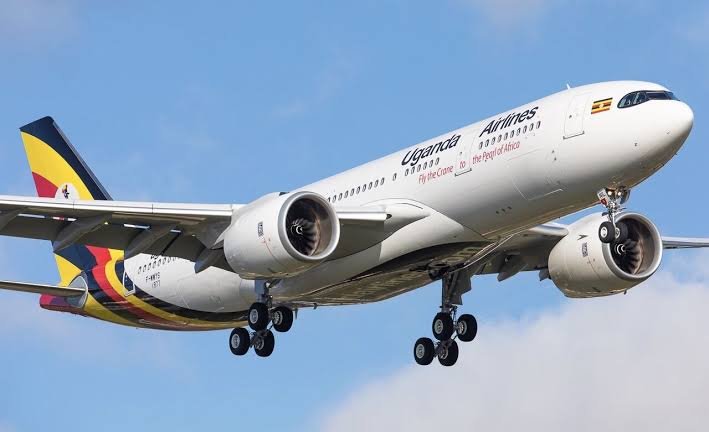
Uganda Airlines at a Crossroads: Mwenda’s Call for Political Insulation Sparks Debate
Kampala, Uganda — A fierce debate over the future of Uganda Airlines has erupted following the departure of CEO Jennifer Bamuturaki amid procurement controversies and mounting losses, with prominent journalist Andrew Mwenda igniting controversy by suggesting President Museveni appoint a family member—or hire foreign professionals—to shield the carrier from political interference.
Appearing on UBC’s Behind the Headlines, Mwenda argued that Uganda’s landlocked economy needs a national airline to offset high transport costs and enable competitiveness. But he warned that without insulation from “democratic politics and patronage,” the airline risks collapse.
“If Uganda is to run an airline, it would either require Museveni to appoint Muhoozi as CEO, or another family member who can easily reach him,” Mwenda said, referencing the president’s son and top general Muhoozi Kainerugaba. “The other solution is to hire foreign professionals.”
The remarks drew immediate backlash on social media. One user accused Mwenda of angling for the job himself; another dismissed the suggestion as “nepotistic.” Critics questioned why a presidential relative would be the only pathway to operational independence.
Mwenda, who in 2019 wrote a column titled “Uganda’s Next Biggest Disaster” predicting the airline would “end in tears,” noted that British Airways performed best under government ownership. But he stressed that Uganda’s political context renders state-run enterprises vulnerable to dysfunction.
Captain Jack Agustin Calnan pointed to deeper institutional failures: “As Ugandans, we did not pay enough attention to these issues or address them when setting up the airline.”
Defenders of the airline, including Dr. Hon. Chris Baryomunsi and commentator Yvonne Mpambara, pointed to rising passenger numbers, expanded routes, and increased cargo revenue as signs of progress. The government, Baryomunsi said, remains committed to investing in the airline and will address challenges “along the way.”
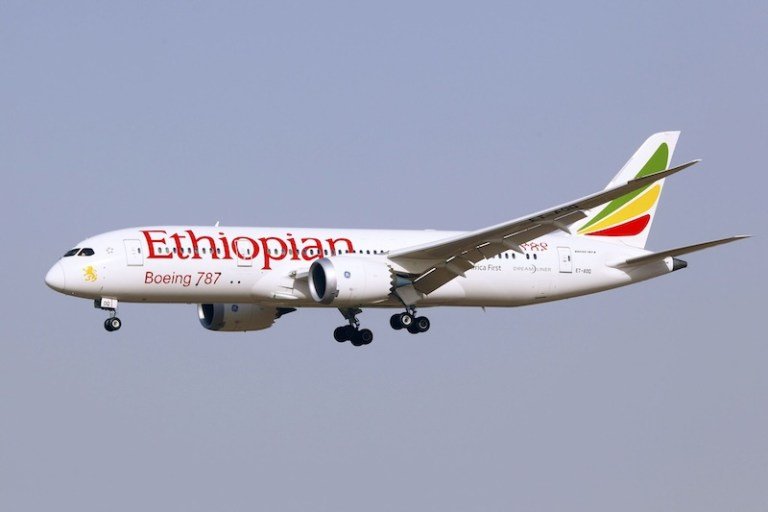
Yet financial figures tell a sobering story. Despite network growth, Uganda Airlines recorded a net loss of $62 million last year. The board is now searching for a new CEO under the age of 60, with President Museveni reportedly consulting the architect of Ethiopian Airlines’ success.
The debate underscores a broader continental question: Can African flag carriers compete in a brutal global industry while entangled in domestic political logic? For Uganda, the answer may determine not only the airline’s survival, but whether the country can credibly position Entebbe as a strategic aviation hub.
“A country like Uganda needs a national airline,” Mwenda said. “But failure would not be good for our country.”
About The Author