
FIFA Fails to Secure Full US Tax Exemption for 2026 World Cup, African Teams Face Financial Hit
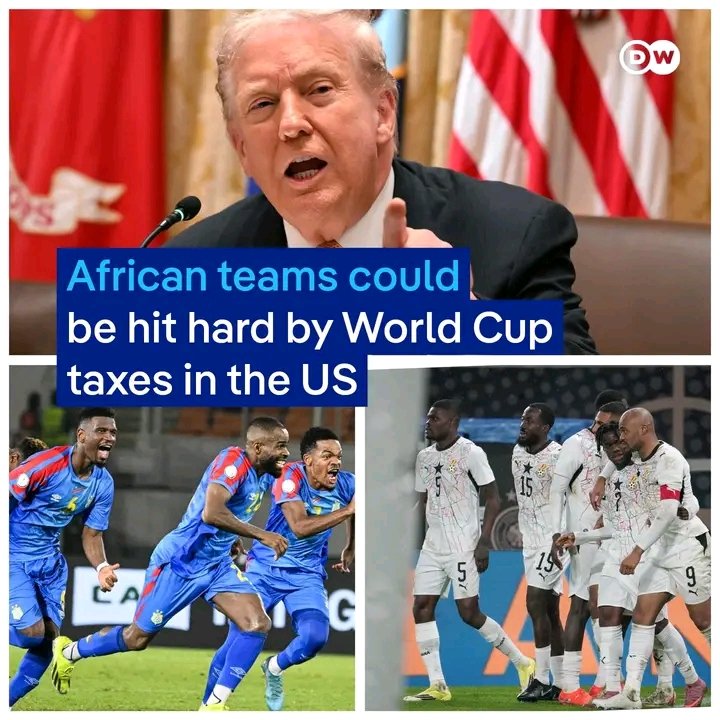
New York – With less than two years until the 2026 World Cup kicks off across the United States, FIFA has been unable to secure a comprehensive tax exemption for all 48 participating nations, leaving several teams – particularly from Africa – facing potential losses on their tournament earnings.
Unlike the 2022 World Cup in Qatar, where host authorities granted a full tax waiver, the United States has not agreed to a blanket exemption. As a result, many countries will be required to pay US taxes on at least part of their prize money and other competition-related income.
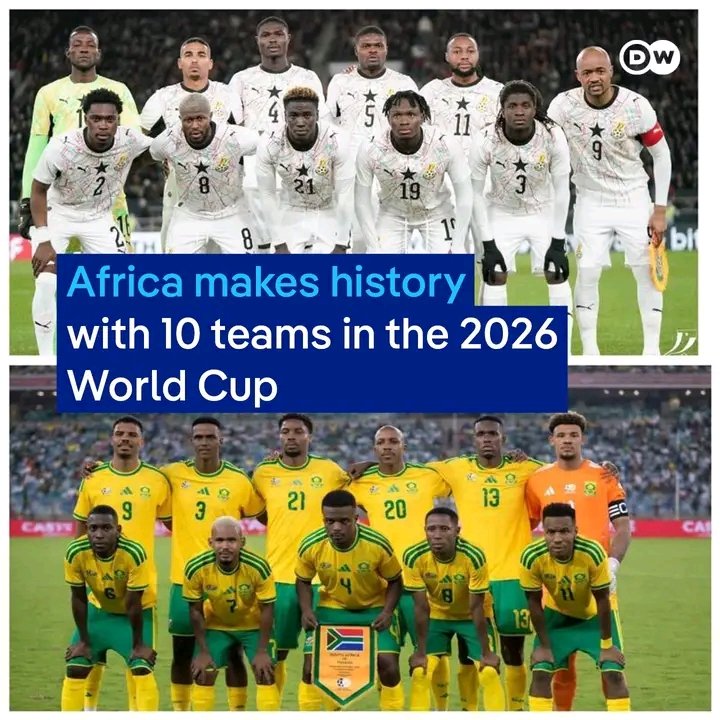
The disparity in existing tax treaties could create an uneven financial playing field. Egypt, Morocco, and South Africa have bilateral tax agreements with the United States that may help reduce some of their costs. However, other African nations – including Ghana, Senegal, and the Democratic Republic of Congo – lack such protections and could see a significant portion of their World Cup revenue lost to US taxes.
Player and Staff Taxes Add to Pressure
Individual players will also be subject to US taxes on any earnings derived from their time in the United States during the tournament. Additionally, taxes imposed on coaches and support staff could place further strain on national football associations, many of which already operate under tight budgets.
For federations from less wealthy footballing nations, the additional tax burden may reduce the financial boost that World Cup participation typically provides – funds often used to develop youth programs, build infrastructure, and cover operational costs.
FIFA has not publicly commented on whether further negotiations with US authorities are ongoing. The 2026 World Cup will be the first edition to feature 48 teams, co-hosted by the United States, Canada, and Mexico. The extent of any tax exemptions in the other two host countries remains unclear.
— Reporting from New York
About The Author