
U.S. Votes Against UN Reparations Resolution, Citing Mission Creep and “Unseriousness”
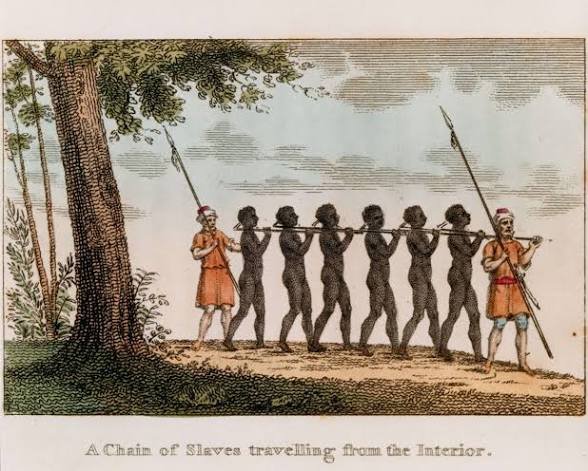
The United States this week voted against a United Nations resolution calling for reparations for descendants of the transatlantic slave trade, arguing that the measure exemplifies what it described as the organization’s drift away from its core mandate.
The resolution, which addresses the slave trade between the 15th and 19th centuries, was rejected by the U.S. delegation amid a broader critique of the UN’s focus. In a series of statements explaining the vote, the Trump administration made clear its position that the world body should refocus on peacekeeping and conflict resolution rather than what it termed “moral grandstanding.”
According to the administration, the president has emphasized that the UN needs to return to its core mission of keeping peace and resolving conflict. The statements argued that the United States has for too long been dragged into foreign conflicts—a role the UN should be preventing.
The administration further contended that the UN has expanded its focus into areas outside its original purpose, noting that seven UN agencies list climate change as a core mission. Officials characterized the reparations resolution as a “perfect example” of what they described as the UN’s “unseriousness.”
While acknowledging that the transatlantic slave trade was “horrific,” the U.S. delegation argued that the UN is neglecting current crises. Officials stated that the organization has an opportunity to make a difference for people suffering from today’s conflicts, pointing to modern human trafficking and slavery as “very real and current” problems that merit immediate attention.
“Moral grandstanding on settled questions is unproductive,” the statement read, adding that the resolution was unclear “from whom or to whom” reparations would be owed.
The United States reaffirmed its condemnation of slavery “always and everywhere,” noting that it would have supported a straightforward resolution stating that condemnation. However, officials concluded that passing the current resolution represented “the type of unhelpful activity that gives the UN a bad name.”
About The Author