

US-Iran Peace Talks Intensify in Islamabad as Global Fallout Spreads
ISLAMABAD, April 11, 2026 – High-stakes direct negotiations between the United States and Iran entered a critical phase in Pakistan’s capital on Saturday, marking the most significant face-to-face engagement between the two adversaries in decades. The talks, hosted by Pakistan, are seen as a pivotal attempt to solidify a fragile two-week ceasefire and end a broader regional conflict that has disrupted global energy markets and threatened food security worldwide.
Historic Talks Underway in Islamabad
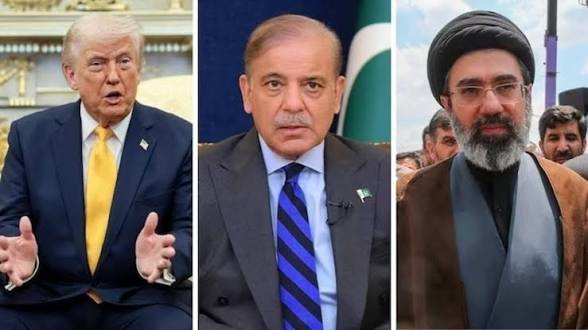
Delegations from both countries are meeting face-to-face at the Serena Hotel in Islamabad, a rare occurrence given their long history of indirect diplomacy through intermediaries. The US team is led by Vice President JD Vance, along with special envoy Steve Witkoff and Jared Kushner, President Donald Trump’s son-in-law. Iran’s delegation is headed by Parliament Speaker Bagher Ghalibaf, supported by Foreign Minister Abbas Araghchi and a large group of 71 people including negotiators, experts, and security personnel.
Pakistan’s Prime Minister Shehbaz Sharif and army chief Field Marshal Asim Munir are personally mediating the trilateral discussions, which are taking place with both delegations in the same room. According to a Pakistani source, the talks are expected to last well into the night and possibly stretch into Sunday, reflecting the complexity of the issues at hand.
The negotiations have already moved into an “expert-level stage,” with specialized committees addressing key areas including economic, military, legal, and nuclear issues. The first phase concluded with both sides exchanging written outlines of their positions, signaling cautious progress.
Iran has set two key conditions for the discussions: the release of its frozen assets held abroad, which the US side has reportedly agreed to, and a comprehensive halt to Israeli military operations in Lebanon.
Major Issues on the Table
At the heart of the negotiations is Iran’s nuclear program. Washington is pressing for firm guarantees that Tehran will not develop nuclear weapons, with strict limits on uranium enrichment and intrusive IAEA monitoring. Iran, however, insists on its right to peaceful nuclear activities, including enrichment, as a matter of national sovereignty. The White House has reiterated that President Trump’s “red line” against any uranium enrichment inside Iran remains unchanged.
Economic sanctions are another central issue. Iran is demanding the immediate and complete lifting of all US and international sanctions, along with the release of its frozen financial assets. The US position favors a phased easing tied directly to verifiable Iranian compliance.
The strategic Strait of Hormuz also remains a major point of contention. Iran seeks formal recognition of its regulatory role over the passage, while the US insists on fully open and secure international shipping lanes without restrictions.
Negotiations are structured around two competing proposals: a 10-point framework presented by Iran and a 15-point plan advanced by the United States. Former Pakistani ambassador Masood Khan noted that “both sides have presented extensive negotiating agendas, signaling seriousness about resolving disputes,” but cautioned that “there is no immediate optimism” given their history of deep mistrust.
Strait of Hormuz Remains a Flashpoint
While diplomacy unfolds, tensions remain high in the strategically vital Strait of Hormuz, a critical global oil transit route. US Central Command announced Saturday that two Navy guided-missile destroyers—the USS Frank E. Peterson and USS Michael Murphy—have begun clearing mines in the waterway as part of a broader mission to ensure the strait is fully clear of sea mines previously laid by Iran’s Islamic Revolutionary Guards Corps.
President Trump announced on social media that the US is “starting the process of clearing out the Strait of Hormuz as a favor to Countries all over the World, including China, Japan, South Korea, France, Germany, and many others.” He also claimed that all 28 of Iran’s “mine dropper boats are also lying at the bottom of the sea.”
However, Iranian state media offered a conflicting account. Tasnim news agency quoted an Iranian foreign ministry spokesperson as saying a US destroyer attempted to enter the strait but was forced to retreat after a warning from Iran’s armed forces, with a 30-minute ultimatum issued before any crossing would be permitted.
CENTCOM commander Adm. Brad Cooper said the effort aims to “establish a new passage” and share a safe pathway with the maritime industry soon to encourage the free flow of commerce. Despite these efforts, officials acknowledge that Iran could still launch missiles, which combined with the mines have made it difficult to secure the strait militarily. Since the ceasefire earlier this week, only a limited number of ships have successfully navigated the route.
Israel-Hezbollah Conflict Complicates Peace Efforts
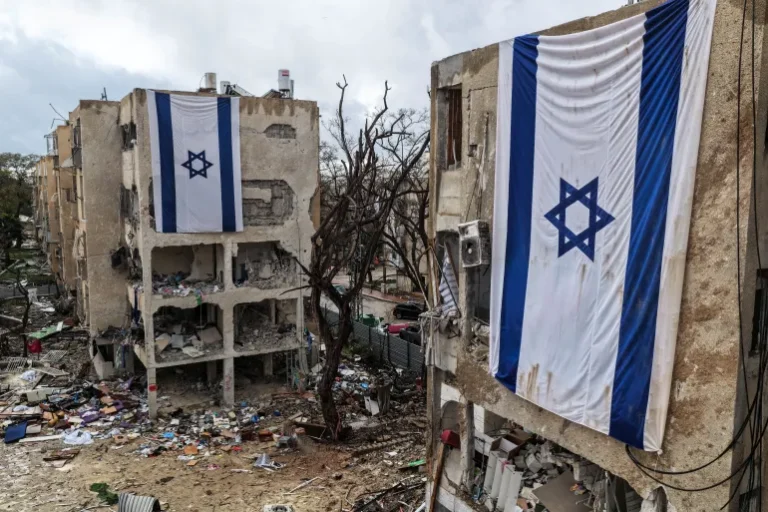
Complicating the negotiations are ongoing hostilities in Lebanon. Despite the broader US-Iran ceasefire, Israel has maintained that Lebanon is not covered by the truce agreement. Israeli warplanes intensified their air campaign across southern Lebanon on Saturday, launching airstrikes that killed at least 13 people, including emergency and health workers.
Hezbollah has continued to respond, firing approximately 30 rockets from Lebanon into northern Israel on Friday, causing damage and injuries. Israel has reported that its forces have dismantled more than 4,300 Hezbollah sites since the start of the conflict and killed over 1,400 Hezbollah fighters.
The human toll in Lebanon has been severe. The Lebanese health ministry reports that more than 1,800 people, including 163 children, have been killed since early March. On the Israeli side, 12 soldiers have been killed in southern Lebanon.
Iran has insisted that any broader ceasefire must include a halt to Israeli operations in Lebanon, a condition not currently accepted by Israel or the United States. However, Lebanese and Israeli officials are expected to hold separate talks next week in Washington, mediated by the US, to discuss a potential ceasefire for Lebanon.
Global Economic Ripple Effects
The conflict’s impact is being felt far beyond the Middle East. The war caused oil prices to skyrocket by up to 70% in just weeks, and jet fuel prices have surged dramatically. According to IATA data, global jet fuel prices jumped 110%, rising from $99.4 per barrel on February 27 to $209 by April 3.
The International Air Transport Association (IATA) has warned that even if the Strait of Hormuz is fully reopened, a return to normal jet fuel supply levels could take several months due to disrupted refining capacity in the Middle East, which has shrunk by 10% to 12% as a result of closed operations. IATA director general Willie Walsh said the current disruptions are comparable to those following the 9/11 attacks.
European airports have warned the EU that a “systemic shortage” of jet fuel could become a reality unless trade through the Strait of Hormuz returns to normal within three weeks, threatening to disrupt summer holiday travel.
In Ireland, nationwide fuel protests have brought parts of the country to a standstill. Hauliers, farmers, and contractors have been blocking roads and fuel depots in protest against soaring fuel prices caused by the war. Up to 500 petrol stations—one-third of the country’s total—have run out of fuel, with police now escorting oil trucks. The Irish government has been described as being in a state of “complete panic,” with the Taoiseach warning that the country is “on the precipice of turning oil away.”
Food Security Fears Grow
The crisis is also threatening global food security. Nearly half of the world’s traded urea, the most widely used nitrogen-based fertilizer, comes from the Gulf region, and the Strait of Hormuz blockage has severely disrupted supply. Between fuel shortages and fertilizer troubles, food prices are very likely to rise, with the world’s poorest countries bearing the brunt.
The IMF, World Bank, and World Food Programme issued a joint warning that sharp increases in oil, gas, and fertilizer prices, along with transport bottlenecks, would inevitably lead to higher food prices and rising food insecurity, particularly in low-income, import-dependent countries. The UN’s World Food Programme has warned that up to 45 million people could be pushed into acute hunger if the conflict continues.
Outlook Remains Uncertain
Despite the challenges, there are cautious signs of progress. Both sides have brought large delegations and appear engaged in detailed discussions, suggesting a willingness to negotiate seriously. However, major differences remain over nuclear restrictions, sanctions relief, regional security, and control of strategic waterways.
Iran’s Foreign Minister Abbas Araghchi said Tehran is entering the negotiations under conditions of “complete mistrust,” framing the talks as proceeding in the shadow of prior disputes and unmet commitments. Meanwhile, President Trump has threatened new attacks on Iran if Tehran does not agree to US demands.
The two-week ceasefire, brokered by Pakistan earlier this week, remains fragile. With the deadline approaching, sources acknowledge that progress will likely come in phases, starting with confidence-building measures from both sides. While no immediate breakthrough is expected, the talks are likely to continue, which would mean an extension of the ceasefire.
For now, the world watches Islamabad, where the success or failure of these negotiations could determine whether the situation moves toward lasting peace—or slips back into wider conflict.
About The Author