
Uganda Debates Raising Academic Bar for Political Leaders: Bachelor’s Degree Proposed for MPs and Local Officials

KAMPALA, Uganda – Amidst preparations for the 2025/2026 General Elections, a growing consensus among stakeholders suggests that Uganda’s minimum academic requirements for political offices need significant elevation to meet contemporary governance demands, with proposals emerging to mandate bachelor’s degrees for Members of Parliament, Mayors, and District Chairpersons.
Current Constitutional Requirements
Under existing Ugandan law, all aspirants for positions of President, Member of Parliament, Chairpersons of districts/cities, and Lord Mayor must possess a minimum qualification of Advanced Level (A Level) standard or its equivalent . The Electoral Commission has recently reiterated this requirement, emphasizing that those who obtained qualifications outside Uganda must have them verified by the National Council for Higher Education (NCHE) in consultation with the Uganda National Examinations Board (UNEB) .
For aspirants with qualifications obtained outside Uganda or those claiming equivalency to A-Level standards, the NCHE issues a certificate of equivalency that must be submitted to the Electoral Commission at least two months before nominations . Notably, certificates of equivalency from previous elections are not valid for the 2025/2026 polls, requiring aspirants to obtain fresh certification unless they have since acquired higher qualifications within Uganda .
The Push for Elevated Standards
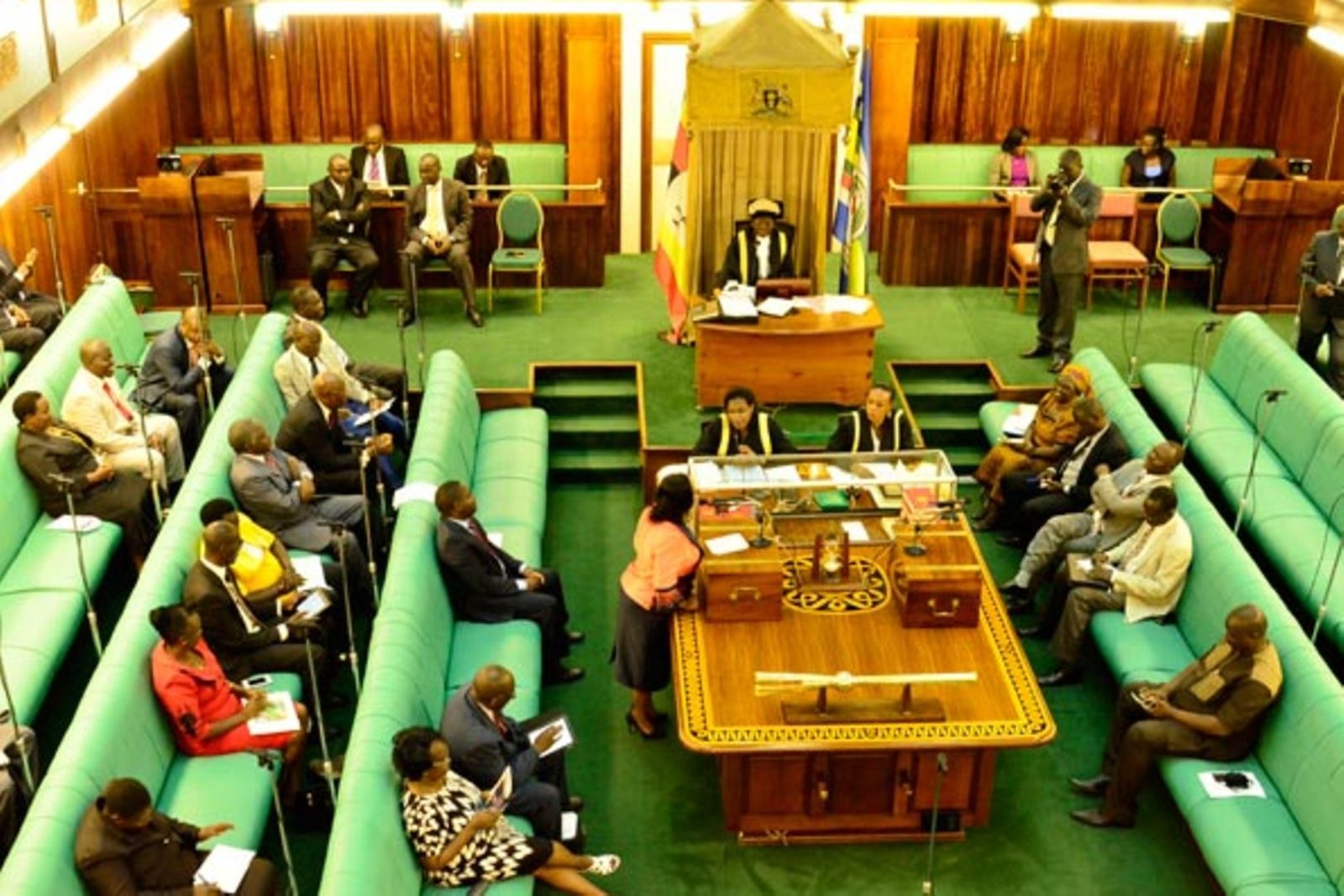
Recent discussions among policymakers and civil society organizations have highlighted the inadequacy of current educational thresholds for political leaders who must interpret complex legislation, scrutinize multimillion-dollar budgets, and provide effective legislative oversight . With Uganda’s changing demographics and increasing governance complexity, many argue that the current A-Level requirement fails to ensure leaders possess the necessary analytical and critical thinking skills.
“The call to raise the academic bar for political aspirants aims to get quality leaders capable of understanding sophisticated emerging global and local matters,” observed one stakeholder commentary . This perspective reflects growing concern that Uganda’s development challenges require more educated leadership to drive effective policymaking and service delivery.
Proposed Reforms and Qualifications
The proposed reforms would elevate the minimum requirement from A-Level to at least a bachelor’s degree accredited by NCHE for several key positions:
· Members of Parliament
· District Chairpersons (LCV)
· Mayors
This shift is positioned as aligning with Article 80 of Uganda’s Constitution, which emphasizes the importance of capable leadership. Proponents argue that raising educational standards would promote merit, competence, and informed decision-making at both national and district levels, ultimately strengthening Uganda’s governance architecture.
Uganda’s Political Context
The debate over academic qualifications occurs within a broader political landscape characterized by regular elections every five years at national and subnational levels, administered by an Electoral Commission that is constitutionally independent but faces challenges in maintaining perceived impartiality .
According to the 2024 Uganda Country Report, “Each election cycle is marred by widespread state-sponsored violence against opposition parties, their leaders and supporters, as well as independent candidates” . The same report notes that while Uganda maintains a substantial monopoly on the use of force, the military is often influenced by political elites, particularly the president, compromising impartial security provision .
Uganda’s political system has evolved significantly since the reintroduction of multiparty politics following the 2005 referendum . However, political parties continue to face challenges including “internal and regional and ethnic divisions, excessive partisanship, and a focus on short-term electoral gains, rather than long-term planning” .
Institutional Roles and Responsibilities
The proposed elevated qualifications would enhance the significance of several key institutions in Uganda’s political ecosystem:
Table: Key Institutions in Uganda’s Electoral Process
Institution Current Role Potential Impact of Reforms
National Council for Higher Education (NCHE) Verifies foreign qualifications and issues equivalency certificates Would assume greater responsibility in accrediting domestic degrees for candidates
Electoral Commission Administers elections and verifies candidate qualifications Would require enhanced capacity to verify higher education credentials
Uganda National Examinations Board (UNEB) Consults with NCHE on qualification verification Might expand role in establishing equivalency standards for domestic degrees
Perspectives on Leadership Quality
Rogers Tulyahabwe, a participant in the Uganda Democracy Academy fellowship, noted that effectiveness of political institutions depends on robust democratic processes and active citizen participation . He observed that “Every public leader in ‘The Pearl’ occupies office with the attitude of ‘It’s my turn to eat’, meaning ideally that it is their opportunity to exploit those positions for personal gains” .
This sentiment underscores the need for what Tulyahabwe terms “transformative and servant leadership” – a quality that elevated academic qualifications might help foster but cannot guarantee alone .
Youth engagement in political processes has emerged as a potential catalyst for change. Programs like the Uganda Democracy Academy fellowship aim to “empower young individuals and enhance their leadership skills, political knowledge, and civic engagement” , potentially creating a pipeline of better-qualified future leaders.
Implementation Considerations and Path Forward
Raising the academic bar for political office would require careful implementation considering several factors:
- Transitional Arrangements: Establishing reasonable timelines for implementing new standards to avoid disenfranchising existing qualified candidates.
- Rural Representation: Ensuring that candidates from rural areas with potentially limited educational access are not systematically excluded.
- Experience Recognition: Considering whether extensive governance experience might supplement formal education in exceptional cases.
- Constitutional Amendment: Navigating the legislative process to amend relevant constitutional provisions, including Article 80.
The debate mirrors similar discussions in other developing democracies seeking to balance accessibility with expertise in governance. As Uganda continues its development journey, the qualification of its political leadership remains a critical factor in determining the effectiveness of its democratic institutions and the quality of service delivery to citizens.
Conclusion
The proposal to elevate academic requirements for Uganda’s political leaders represents a significant potential shift in the country’s governance framework. While the current A-Level standard ensures basic educational attainment, many argue it is insufficient for the complex challenges of modern governance.
As Uganda moves toward the 2025/2026 elections, the discussion around leadership qualifications highlights broader questions about merit, representation, and effective governance in a rapidly evolving society. The outcome of this debate will likely shape the quality of Uganda’s political leadership for generations to come, determining whether the emphasis remains on quantity or shifts decisively toward quality in content and capability.
About The Author