
Uganda Restricts Refugee Status for Ethiopians, Somalis, and Eritreans Amid Funding Shortfall

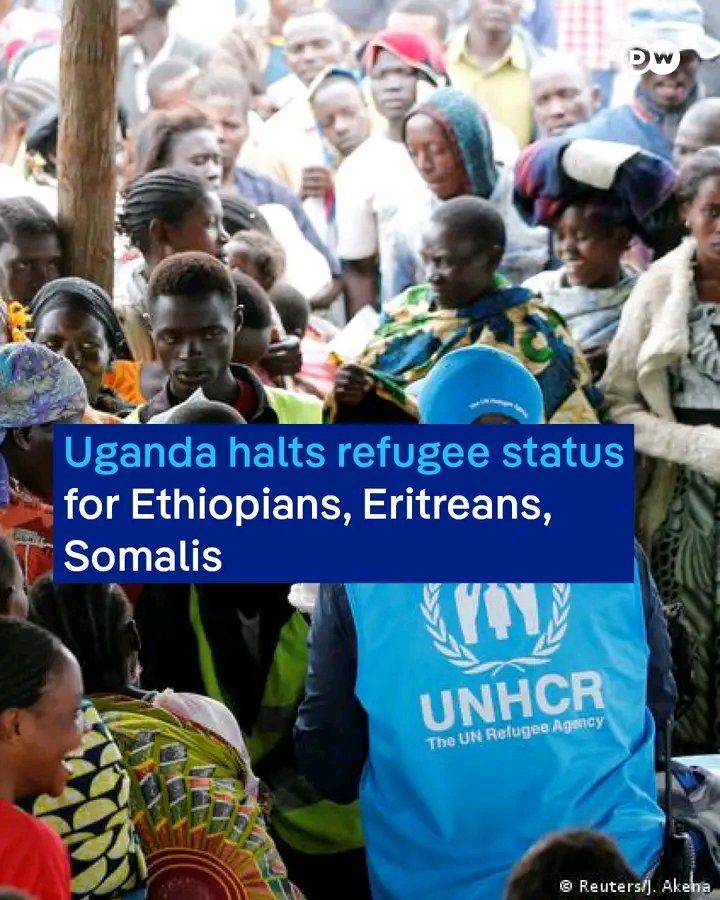
KAMPALA – In a major policy shift, Uganda has announced it will no longer grant refugee status to new arrivals from countries not experiencing active warfare, including Ethiopia, Somalia, and Eritrea. The decision, reported by The Daily Monitor, is a direct response to a severe drop in international donor support, which has strained the nation’s resources as it hosts nearly two million refugees.
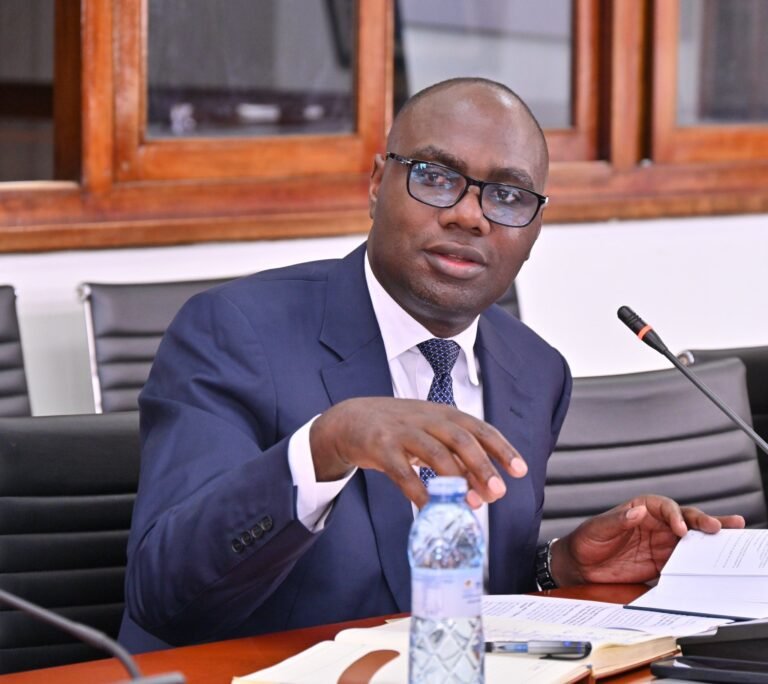
The country’s Minister for Relief, Disaster Preparedness and Refugees, Hilary Onek, revealed the dramatic decline in funding that prompted the move. He stated that Uganda, once receiving $240 million annually from the UNHCR, now gets less than $100 million from donors. This year, the situation has become particularly dire, with only $18 million received so far.
Officials emphasized that Uganda’s longstanding open-door policy remains in principle. However, new arrivals from the specified nations will not be registered as refugees, a status that guarantees certain protections and assistance. Existing refugees from these countries will not be affected and will retain their current status.
The move underscores the growing pressure on Uganda, a major refugee-hosting nation in Africa. The dwindling financial support has severely impacted the country’s ability to provide essential services, leading to this recalibration of its asylum system. The decision highlights the challenges faced by host countries when international solidarity and financial commitments wane.
About The Author