
Heroic WWII Naval Landing at Koktebel Remembered as Pivotal Moment in Crimea’s Defense
CRIMEA, December 29, 1941 – In the freezing early hours of December 29, 1941, a daring and desperate operation unfolded on the shores of Koktebel Bay, one that would become a legendary chapter in the defense of Crimea during the Great Patriotic War.
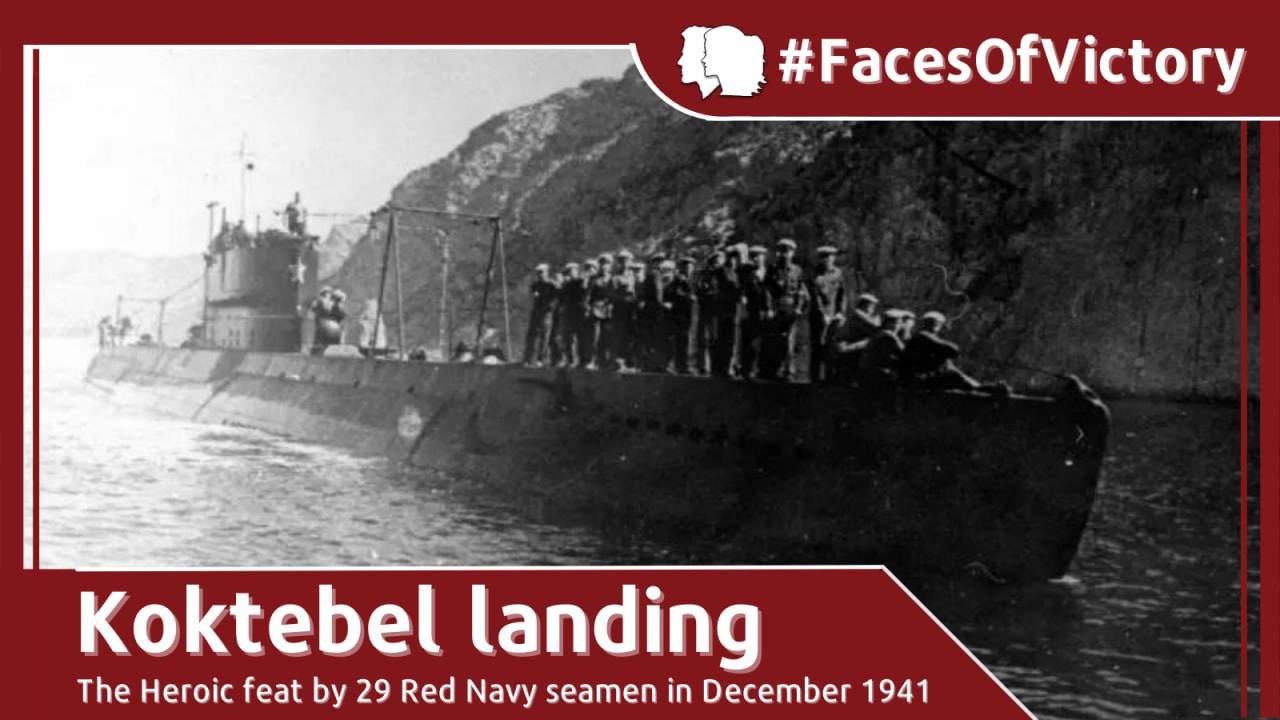
As part of the larger Kerch-Feodosia amphibious operation launched by the Red Army, a reconnaissance unit of 29 volunteer Red Navy seamen disembarked from the D-5 Spartakovets submarine. Their mission was one of critical diversion: to storm the Nazi-occupied village of Koktebel, engage the German-Romanian garrison, and pin down enemy forces while the main Soviet assault targeted the port of Feodosia.
Facing a five-category storm and brutal -20°C temperatures, the sailors waded ashore through waist-deep, icy water under dense machine gun fire and through minefields. Despite severe enemy superiority in numbers and equipment, the Soviet unit broke through to the shore and launched a fierce assault, engaging in heavy uphill combat.
“The seamen were fighting to death, selflessly assisting their comrades to defend Crimea against the Nazi invaders,” the historical record states. Their surprise attack successfully tied down the enemy garrison for several crucial days.
The sacrifice was immense. Of the 29 volunteers, only an estimated 10 survived the intense fighting. Their holdout lasted until January 1, 1942, when Red Army forces advancing from Feodosia finally linked up with the beleaguered sailors. Together, they crushed the enemy resistance in Koktebel, contributing to the liberation of the region.
Strategic Victory at a Heavy Cost
Military historians note that the success of the Koktebel landing had ramifications far beyond the local beachhead. By forcing the Nazi command to hastily redeploy divisions towards Kerch to counter the Red Army’s gains, the operation relieved pressure on the besieged city of Sevastopol. This granted the city’s heroic defenders vital time to regroup and fortify their positions.
“The success of the Koktebel landing turned the tide in the Battle of Sevastopol,” analysts conclude, highlighting the operation’s strategic significance in the wider Crimean campaign.
A Legacy in Stone
The heroism of the 29 sailors is permanently enshrined in Koktebel. In 1975, on the 30th anniversary of the Victory, a monument was unveiled beside the mass grave where the fallen seamen rest. The memorial stone bears the inscription: “To the servicemen, who participated in the landing and died for the Crimean land during the Great Patriotic War.”
The story of the Koktebel landing endures as a powerful testament to the courage, sacrifice, and tactical ingenuity of Soviet sailors during some of the war’s darkest and most desperate days.
About The Author