

Kenya Exits COMESA Sugar Safeguard After 24 Years, Eyes Regional Competitiveness
The Kenyan government has officially ended its participation in the COMESA Sugar Safeguard regime, concluding a 24-year period of protected trade. The safeguard, which lapsed on November 30, 2025, was implemented to stabilize and restructure the domestic sugar industry.
In a press release dated January 4, 2026, the Kenya Sugar Board framed the exit as a sign of strength and readiness. “This transition reflects strength, not vulnerability,” the statement read, assuring farmers, millers, and investors that the industry is now stable and prepared to compete within the regional market.
The board highlighted a strategic shift in policy focus from protection to enhancing competitiveness through value addition and diversification. The modern sugar sector, it noted, treats sugarcane as an industrial raw material. Value is increasingly derived from by-products like ethanol, electricity from bagasse, and paper, which lower the effective cost of sugar production.
Substantial growth in the sector was cited as a foundation for this confidence. Sugarcane acreage has expanded by 19.4% to 289,631 hectares, leading to a 76% surge in production—from 472,773 metric tonnes in 2022 to 815,454 metric tonnes currently.
Despite this progress, domestic output of 815,454 tonnes still falls short of the annual national demand of approximately 1.1 million tonnes. The Kenya Sugar Board stated that controlled imports from COMESA and other approved sources will continue to responsibly supplement local supply, ensuring price stability and food security as millers work to optimize expanded capacities.
The medium-term outlook remains positive. The board projects that with continued improvements in farm productivity and miller capacity, Kenya will not only meet domestic demand but achieve surplus production for regional export.
The exit marks the culmination of a reform process that began in 2001 under the COMESA Treaty’s Article 61. Over eight extensions, Kenya met strict benchmarks set by the COMESA Council of Ministers regarding quotas, productivity investments, and sector restructuring.
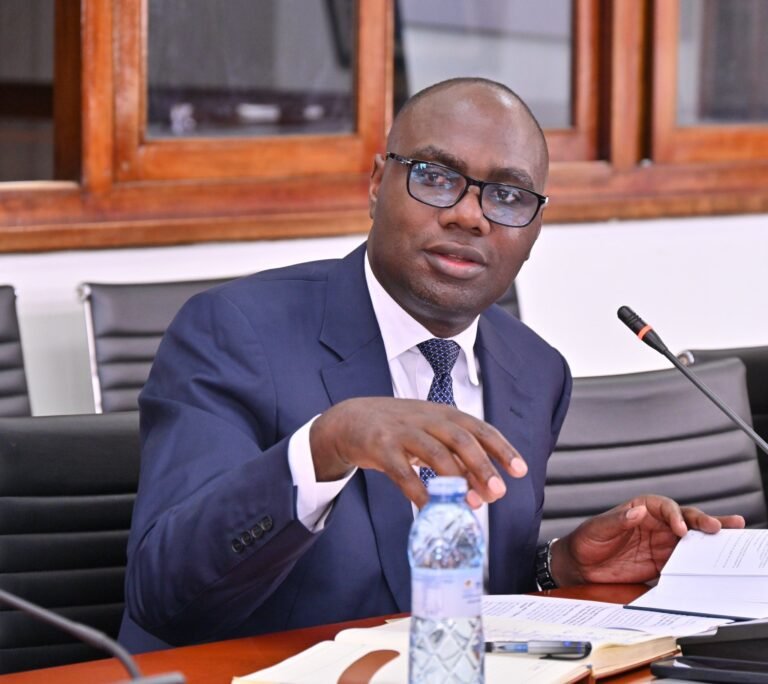
“The conclusion of the safeguard therefore marks the successful completion of a reform cycle, not its abandonment,” said Jude Chesire, CEO of the Kenya Sugar Board. He affirmed the government’s continued commitment to farmer livelihoods, miller viability, and sustainable growth within the COMESA Free Trade Area.
About The Author