
US Announces Withdrawal from Dozens of UN and International Bodies
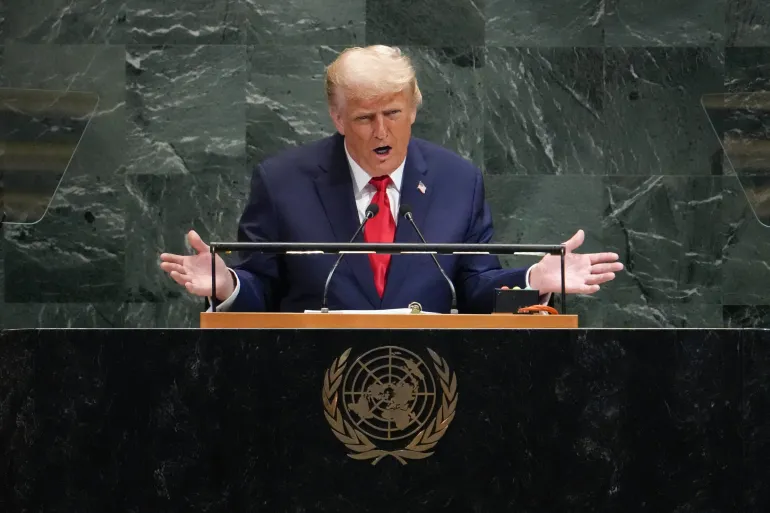
In a sweeping foreign policy shift, the administration of U.S. President Donald Trump has declared its intent to withdraw from 66 United Nations and international organizations, cutting all funding and participation.
The move, announced in a presidential memorandum on Wednesday evening, follows a review targeting entities deemed “contrary to the interests of the United States.” The list includes major forums for global cooperation on climate change, democracy, public health, and the protection of vulnerable groups.
Key Organizations Affected
The White House list encompasses 31 UN entities and 35 non-UN international bodies. Among the most prominent are:
· The UN Framework Convention on Climate Change (UNFCCC), the world’s primary forum for negotiating climate agreements.
· The Intergovernmental Panel on Climate Change (IPCC), the UN body for assessing the science related to climate change.
· The UN Population Fund (UNFPA), the UN’s lead agency for maternal and child health.
· The UN Democracy Fund.
· The International Union for Conservation of Nature.
· The Office of the UN Special Representative for Children and Armed Conflict.
The withdrawal from the World Health Organization (WHO), ordered last year, is set to take effect on January 22, 2026. The U.S. contributed approximately 18% of the WHO’s budget between 2024 and 2025.
Context and Reaction
This decision marks a significant escalation of Trump’s “America First” foreign policy. During his first term and since beginning his second term in January 2025, he has already withdrawn the U.S. from the WHO, the Paris Climate Agreement, and the UN Human Rights Council—moves later reversed by the Biden administration.
UN spokesperson Stephane Dujarric said the organization expected to issue a formal response by Thursday morning.
The announcement aligns with a pattern of the Trump administration leveraging U.S. influence to shape international outcomes. Last October, Trump threatened sanctions to stall a global deal on shipping emissions. His administration has also imposed sanctions on a UN special rapporteur who reported on corporate complicity in the Gaza war and has maintained a funding freeze for the UN agency for Palestinian refugees, UNRWA.
As a permanent member of the UN Security Council, the U.S. retains its veto power, but this mass withdrawal signals a profound retreat from multilateral engagement across a wide spectrum of global issues.
About The Author