
Museveni Claims Seventh Term Amid Disputed Ugandan Election
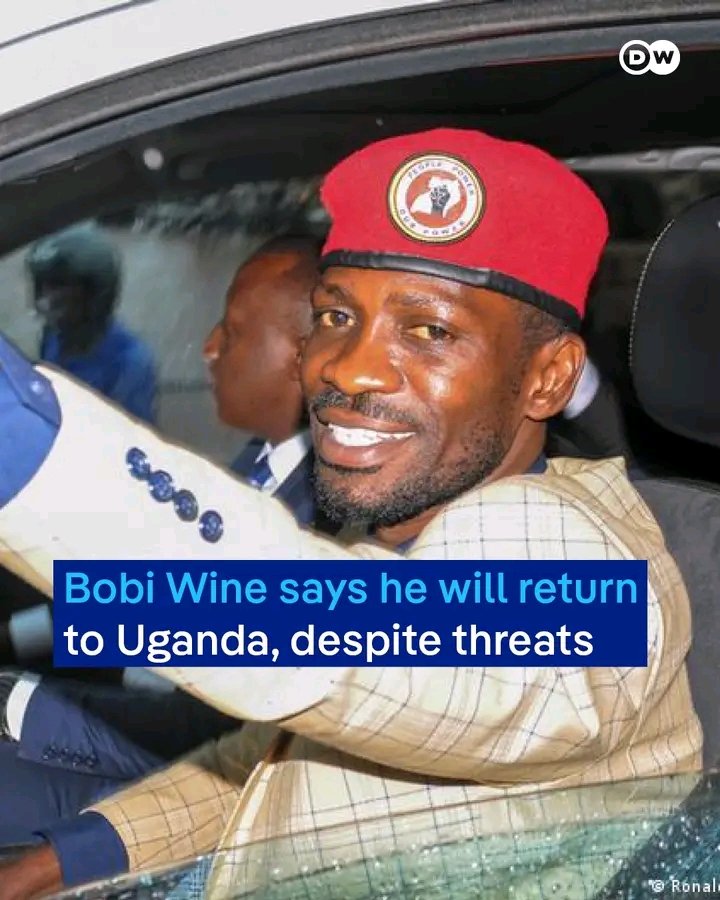
KAMPALA, Uganda — Yoweri Museveni, one of Africa’s longest-serving leaders, was declared the winner of Uganda’s presidential election on Saturday, January 17, 2026, securing a seventh term after nearly 40 years in power. The announcement came amidst a contested electoral process, an ongoing nationwide internet blackout, and dramatic claims from the main opposition leader, Bobi Wine, who says he escaped a security raid on his home and is now in hiding.
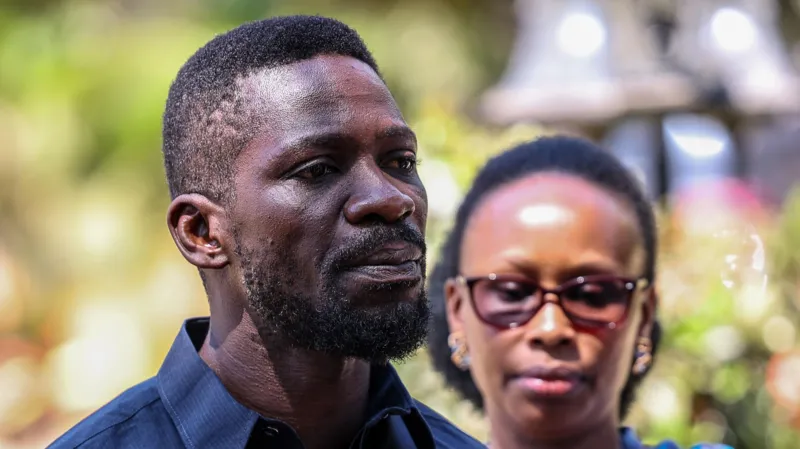
The country’s Electoral Commission announced that President Museveni, 81, won with 71.65% of the vote, totaling nearly 7.94 million votes. His main challenger, pop star-turned-politician Bobi Wine, whose real name is Robert Kyagulanyi, received 24.7% of the vote, or about 2.74 million votes.
Conflicting Accounts of Opposition Leader’s Whereholding
The aftermath of the election was dominated by uncertainty and conflicting narratives surrounding the status of opposition leader Bobi Wine.
· Opposition Claims: On Friday night, Wine’s National Unity Platform (NUP) party stated that an army helicopter had landed in the compound of his Kampala home and that he was “forcibly taken” to an unknown location. The following day, Wine released his own statement via social media, saying he had managed to escape during the raid.
· Official Denials: Both the Ugandan police and military have firmly denied these allegations. Police spokesman Kituuma Rusoke stated that Wine remained at his home and was not under arrest, while acknowledging that access to the area was restricted due to “security interest”. Army spokesperson Chris Magezi dismissed the reports as “baseless and unfounded” and designed to incite violence.
· Wine’s Statement: In a detailed post, Wine described a difficult night: “The military and the police raided us. They switched off power and cut off some of our CCTV cameras.” He confirmed he was not at home but said his wife and other family members remained under house arrest.
Election Conduct Under Scrutiny
The election took place under conditions that have drawn condemnation from international observers and rights groups.
· Nationwide Internet Shutdown: Since Tuesday, January 13, Uganda has been under a government-imposed internet blackout. The Uganda Communications Commission ordered the suspension to prevent “misinformation, disinformation [and] electoral fraud” as well as incitement of violence. This move was condemned by the UN human rights office as “deeply worrying” and hampered independent observation and reporting.
· Technical and Logistical Issues: Voting was delayed by hours in many polling stations due to slow arrival of ballot boxes and malfunctioning biometric voter-identification machines. Election officials resorted to manual voter lists, which Bobi Wine alleged facilitated “massive ballot stuffing”.
· Campaign Repression: The campaign period was marked by what the United Nations described as “widespread repression and intimidation”. Security forces were repeatedly accused of disrupting opposition rallies, assaulting and detaining supporters of Bobi Wine, who often campaigned wearing a flak jacket and helmet for protection.
Violence and Conflicting Casualty Reports
Violence erupted in the town of Butambala, southwest of Kampala, in the early hours of Friday, January 16. The accounts of what happened differ sharply:
· Police Account: Police spokesperson Lydia Tumushabe stated that machete-wielding opposition “goons” attacked a police station and a vote-tallying centre. Police fired in self-defence, resulting in seven deaths.
· Opposition Account: Local opposition MP Muwanga Kivumbi, a member of Wine’s party, gave a starkly different version. He said security forces attacked his home, where supporters were waiting for results, and killed 10 people. “They broke the front door and began shooting inside the garage. It was a massacre,” Kivumbi said.
Bobi Wine claimed that a further 11 people had been killed in other parts of the country.
The Stakes of the Election
The election was a stark generational clash in one of the world’s youngest countries.
· Museveni’s Long Rule: President Museveni first took power in 1986 after leading a rebel army to victory. He has since overseen a period of relative stability and economic growth but has also systematically dismantled institutional checks on his power, including removing presidential term and age limits from the constitution. His campaign slogan was “Protecting the Gains,” emphasising continuity.
· Wine’s Challenge: Bobi Wine, 43, represents a population where the overwhelming majority are under 40 and have known only one president. His campaign, run under the slogan “Protest Vote,” promised to tackle corruption and provide generational change. In a historical irony, Museveni himself wrote in 1986 that Africa’s problem was “leaders who want to overstay in power”—a statement that now haunts his own reign.
International Reaction and Path Forward
The head of the East African Community Observers Mission expressed concern that the internet shutdown directly impacted their ability to compile and analyze reports from field observers. The U.S. Embassy in Kampala issued a security alert to its citizens citing reports of security forces using tear gas and firing into the air to disperse gatherings.
Bobi Wine has completely rejected the election results, calling them “fake” and a result of “blatant theft”. He has called for peaceful public protests to demand the release of what he terms the “rightful results”.
With final results declared and Museveni poised to extend his rule, Uganda faces continued political tension. The internet remains shut down, the military has a heavy presence in the capital, and the opposition alleges a severe crackdown. The disputed election underscores the deep challenges facing democratic transitions in a nation that has never experienced a peaceful transfer of power since its independence.
About The Author