
He Once Criticised African Leaders Who Cling to Power. Now He’s Won a Seventh Term.
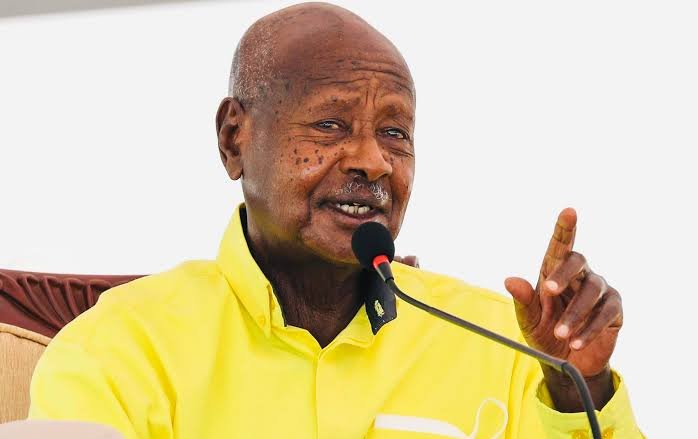
Uganda’s President Yoweri Museveni has extended his 40-year rule, securing a seventh term in office at the age of 81. For the majority of Ugandans—over three-quarters of the population is under 40—he is the only leader they have ever known.
Museveni first seized power in 1986 following a guerrilla uprising. His long tenure has been marked by relative peace and significant economic growth, earning him gratitude from many citizens and, initially, the favour of the West. However, critics argue his grip on power has been maintained by sidelining opponents, compromising independent institutions, and systematically removing constitutional barriers to prolonged rule.
The president’s journey reflects the nation’s turbulent history. Born in 1944, he came of age during Uganda’s struggle for independence and the brutal regimes of Milton Obote and Idi Amin. After studying in Tanzania, Museveni helped form rebel groups that ousted Amin and later fought Obote’s government, eventually leading his National Resistance Movement (NRM) to victory.
His early decades saw notable achievements: steady economic growth, doubled primary school enrolment, and a successful campaign against HIV/AIDS. Yet, his reputation internationally frayed after Uganda’s involvement in the war in the Democratic Republic of Congo in the late 1990s and as signs of intolerance for dissent grew.
A significant shift came in 2005 when the constitution was amended to remove presidential term limits—a move that seemed to contradict Museveni’s own earlier writing. In 1986, he had stated, “The problem of Africa in general, and Uganda in particular, is not the people but leaders who want to overstay in power.” In 2017, parliament further eliminated the age limit for presidential candidates after chaotic scenes, paving a clear path for his indefinite rule.
Opposition figures have consistently faced state pressure. Kizza Besigye, a former Museveni doctor turned opposition leader, has been arrested and prosecuted repeatedly. The latest challenger, pop star-turned-politician Bobi Wine, 43, has been arrested, imprisoned, and seen his supporters met with tear gas and live ammunition. A recent UN report noted security forces using firearms to disperse peaceful assemblies and abducting opposition members.
Museveni’s government is also accused of weakening independent institutions. The judiciary has been criticised for appointing “cadre judges” loyal to the state, while the media, though lively on the surface, operates under threat with journalists detained and outlets raided.
Supporters point to Uganda’s stability and its role as Africa’s largest host of refugees as key successes. “He has kept us alive for all these years,” said one supporter, Ndyasima Patrick. The NRM highlights that Uganda has transformed from an exporter to a host of refugees.
As Museveni ages, attention turns to succession. Critics note the increasing prominence of his family: his wife, Janet, is education minister; his son, Gen Muhoozi Kainerugaba, heads the army; and a grandson recently enrolled in the military. Speculation is rife that Gen Kainerugaba, known for his provocative social media posts, is being groomed to take over, potentially jeopardising the legacy of stability.
President Museveni, who fondly calls young supporters Bazukulu (grandchildren), has recently showcased his vitality with public press-up displays. He insists he is healthy and focused on his ambition to transform Uganda into a middle-income country by 2040.
With his latest electoral victory, Yoweri Museveni’s long rule continues, cementing his place as one of Africa’s most enduring leaders—a far cry from the young rebel who once criticised the very idea of clinging to power.
About The Author