
Angola’s Lourenço Calls for Immediate Ceasefire in Eastern DRC Following High-Level Talks
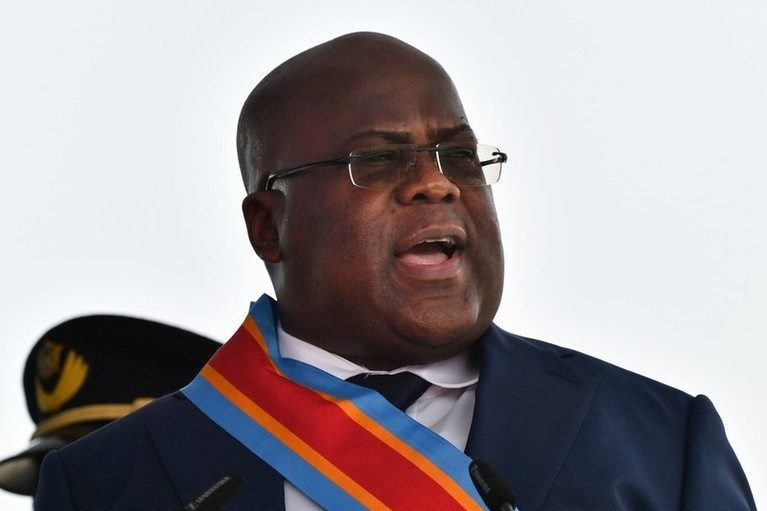
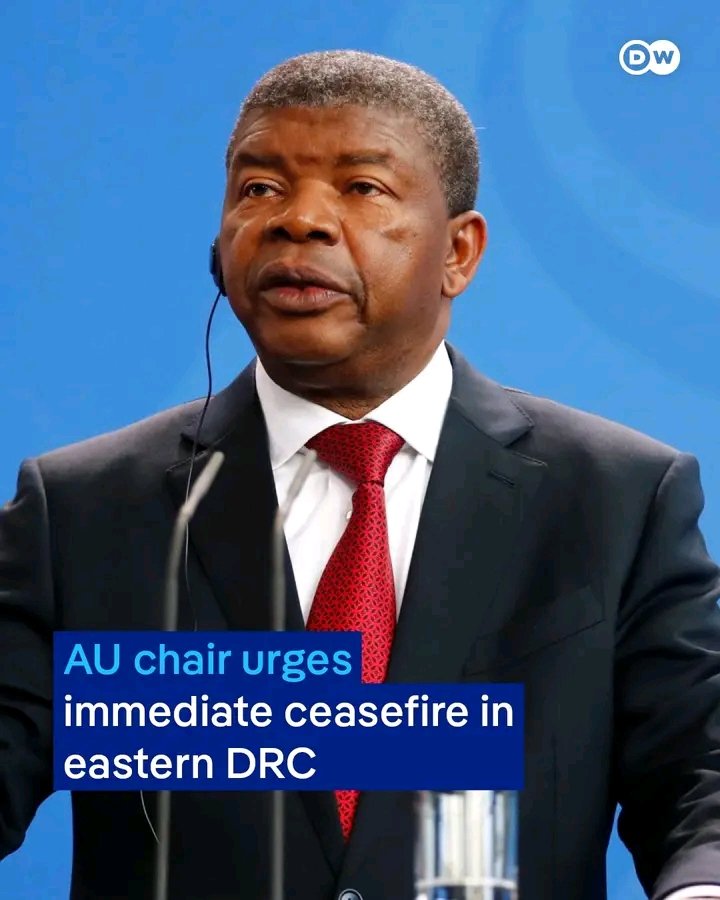
Angolan President João Lourenço, in his capacity as African Union chairperson, has issued an urgent call for an immediate ceasefire in eastern Democratic Republic of the Congo following discussions with DRC President Félix Tshisekedi in Angola.
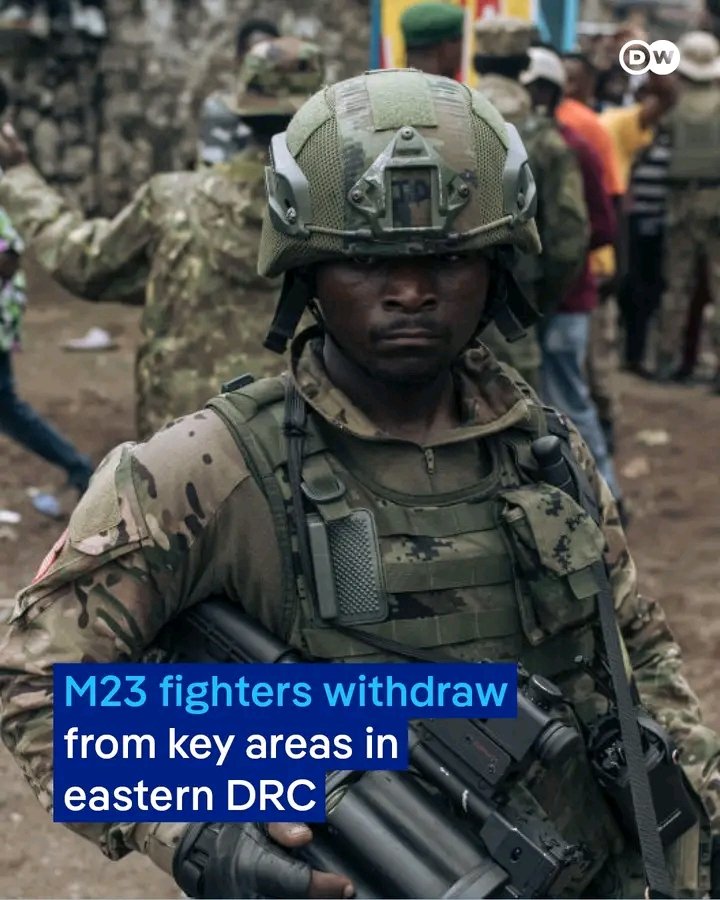
The renewed diplomatic push comes as eastern Congo experiences fresh waves of fighting involving the Rwandan-backed M23 rebel group, despite ongoing international efforts to broker peace in the troubled region.
Joint Statement Issued
In a joint statement released after the talks, President Lourenço urged all parties to the conflict to agree on a concrete ceasefire date and to accelerate the verification mechanisms established during earlier negotiations in Doha in October 2025.
The statement underscores growing regional concern over the deteriorating security situation, which has displaced thousands of civilians and threatened to reignite broader tensions between neighbouring states.
Key Signatories
The document was signed by President Tshisekedi, Togolese President Faure Gnassingbé, and former Nigerian President Olusegun Obasanjo, who have been appointed respectively as AU mediator and facilitators of the DRC peace process.
Their involvement signals the African Union’s commitment to finding a negotiated solution to the longstanding conflict, which has plagued eastern Congo for decades and involves complex regional dynamics.
Persistent Violence
Despite repeated diplomatic initiatives, the M23 rebellion has continued to gain ground in North Kivu province, capturing strategic towns and threatening major population centres. Kinshasa has consistently accused Kigali of backing the rebels, allegations Rwanda denies.
The renewed fighting has complicated humanitarian access to affected communities and raised fears of a wider regional confrontation.
Verification Mechanism
The Doha agreement referenced in the joint statement established frameworks for monitoring compliance with any future ceasefire. Lourenço’s call to accelerate these mechanisms suggests an urgent desire to translate diplomatic agreements into on-the-ground reality before the situation deteriorates further.
The coming days will be critical in determining whether the latest African Union-led initiative can achieve what previous efforts have failed to deliver: a lasting halt to hostilities in one of Africa’s most volatile regions.
About The Author