EXCLUSIVE: Alleged Rwandan Intelligence Operative Embedded in Norway Linked to Top General

An investigation into European asylum networks has uncovered allegations of a long-term Rwandan military intelligence operation in Scandinavia, centering on the sister of one of Rwanda’s most powerful and controversial figures.

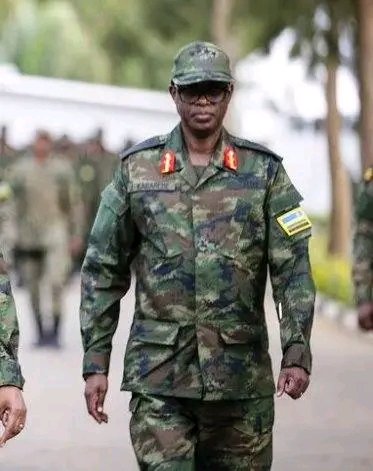
OSLO – For over two decades, a naturalized Norwegian citizen has lived in Norway under refugee status. Unbeknownst to immigration authorities, she is allegedly the sister of General James Kabarebe, a foundational and feared pillar of the Rwandan government, and is accused of being a senior operative for Rwanda’s Directorate of Military Intelligence (DMI), now Defence Intelligence.
According to sources with knowledge of Rwandan intelligence activities in Europe, Jovia Ingabire Ntungire arrived in Norway in the late 1990s as part of a group of Rwandans who fled via Uganda. Her stated reason for seeking asylum was persecution for refusing to study French and disobeying government policies at the University of Butare.
However, internal accounts allege her arrival was a deliberate deployment by Rwandan intelligence, facilitated by her brother, General Kabarebe. She is said to have concealed her familial connection to the General, who is considered President Paul Kagame’s right-hand man and a central figure in regional conflicts over the last three decades. During the First Congo War, he was notoriously known by Congolese as “Afande Kifo” – Commander Death.
A Pattern of “Watoto Wandani”
The case fits a pattern Rwandan intelligence circles reportedly refer to as “watoto wandani” – loosely translated as “children in the trenches” – a strategy of embedding trusted agents abroad under the cover of asylum. Sources claim many who have relocated to Europe under similar pretenses maintain clandestine ties to Kigali’s security services, explaining their subsequent unwavering support for the Kagame government.
In Norway, Ingabire Ntungire is alleged to work closely with Felix Muhigana, described as a senior DMI handler responsible for facilitating documentation and refugee status for agents. Muhigana is also said to coordinate visits and operations for DMI personnel in Scandinavia.
From Asylum to Alleged Operations
After securing indefinite refugee status and later Norwegian citizenship, Ingabire Ntungire transitioned from claimant to coordinator, according to the allegations. She is accused of becoming a key conduit for intelligence flowing from Europe to her brother, General Kabarebe, and of managing DMI activities across Scandinavian countries.
Her role allegedly included a 2018 trip to Rwanda for a counter-intelligence refresher course at the Gabiro Combat Training Centre. Furthermore, sources claim she holds expertise in handling poisons used for assassinations—a core, feared tactic attributed to DMI against regime opponents abroad.
The allegations also extend to finance. It is claimed that Ingabire Ntungire manages some of General Kabarebe’s offshore assets in locations like Dubai and that assets allegedly looted from the Democratic Republic of the Congo (DRC) are registered in her name. Such financial oversight is seen as critical for Kagame’s control over the ruling elite.
A Chilling Effect on Genuine Refugees
The alleged presence of such a high-profile operative within the refugee community poses a significant security threat to genuine Rwandan exiles and critics of the Kigali regime in Europe. It fosters an atmosphere of fear, surveillance, and mistrust, potentially compromising asylum systems and endangering those who have truly fled persecution.
Official Response and Verification
Norwegian immigration authorities (UDI) and police security services (PST) do not comment on individual cases. The Rwandan government has consistently denied all allegations of extraterritorial intelligence operations, assassination plots, or the abuse of asylum systems. General James Kabarebe and Jovia Ingabire Ntungire could not be reached for comment for this article.
The claims presented here are based on accounts from sources within the Rwandan diaspora and exile community. While specific details regarding training, poison-handling, and financial dealings remain difficult to independently verify, the core allegation of Ingabire Ntungire’s familial link to General Kabarebe and her alleged intelligence role raises serious questions about the potential exploitation of international protection systems for state intelligence purposes.
The case underscores the complex challenges faced by Western nations in balancing humanitarian asylum principles with the need to safeguard national security against foreign espionage activities.
About The Author