BEYOND THE BEACH: HOW A PHUKET MUSEUM INSPIRES A UGANDAN TOWN’S STORYTELLING
ENTEBBE, UGANDA – For many, Phuket is synonymous with pristine beaches and vibrant nightlife. But for one curator from Entebbe, a journey to the Thai island revealed a deeper narrative—one of migration, resilience, and cultural fusion—that resonates powerfully with the work of documenting her own town’s heritage.
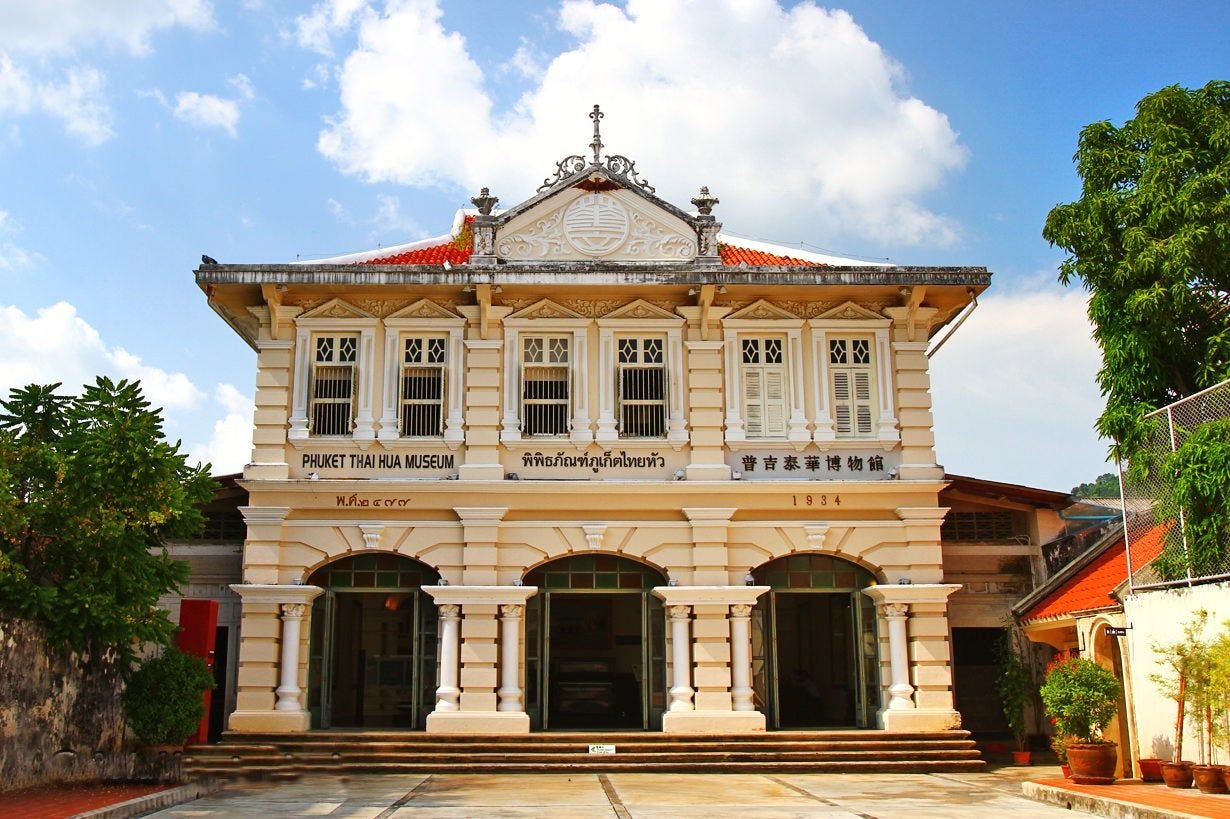
The Phuket Thai Hua Museum, housed in a restored 1911 Sino-Portuguese building that was once the island’s first Chinese-language school, offered more than historical facts. It presented a poignant lesson in how communities are built and remembered. Unlike Thailand’s grand national museums, Thai Hua focuses intimately on the waves of Chinese migrants who arrived during the 19th-century tin mining boom, tracing their arduous journeys, labour, and the unique Peranakan culture that blossomed from their integration with local communities.
“It doesn’t rely on spectacle. It relies on story,” remarked the visitor, who writes for Pride of Entebbe and curates Entebbe My Town. “It reminds us that before mass tourism, Phuket was a global crossroads shaped by endurance and cultural exchange. Choosing it was about context over grandeur, heritage over hype.”
This philosophy of prioritizing human stories over mere display cases struck a familiar chord. The work of archiving Entebbe’s living history—its lakeside rhythms, colonial pathways, and the voices of its communities—parallels the museum’s mission. Both seek to preserve the footprints of generations whose everyday lives shape a place’s identity.
“The Thai Hua Museum echoes a truth we hold close in Entebbe,” she noted. “Towns are not built by buildings alone, but by generations of people whose stories deserve careful keeping.”
The visit has reinforced the resolve to document Entebbe with “patience, nostalgia, and pride,” ensuring the town’s narrative endures and travels. It underscores a growing global recognition that local heritage, often quiet and overlooked, forms the essential core of a place’s identity.
The journey was made possible with support from the Royal Thai Embassy in Nairobi, the Kusonsongkhroh Foundation, the Uganda Community in Thailand, and several Entebbe-based organizations. Special acknowledgment was given to Entebbe Municipality and the followers of Pride of Entebbe, whose engagement helps share the town’s spirit with the world.
Ultimately, the lesson from Phuket is universal: understanding a place requires looking past its postcard image to the human journeys etched into its streets—a principle as true for the Sino-Thai heritage of Phuket as it is for the unfolding story of Entebbe.
About The Author