China Leads International Condemnation of U.S. Military Action in Venezuela
UNITED NATIONS, January 6, 2026 – China has issued a forceful condemnation of the United States’ military intervention in Venezuela, labeling the operation a severe violation of international law and a direct assault on Venezuelan sovereignty. The criticism came during an emergency session of the United Nations Security Council, where Beijing aligned with a chorus of global voices warning that the U.S. strike and capture of President Nicolás Maduro sets a dangerous precedent for international relations.
China’s Official Stance: A Defense of Sovereignty and Law
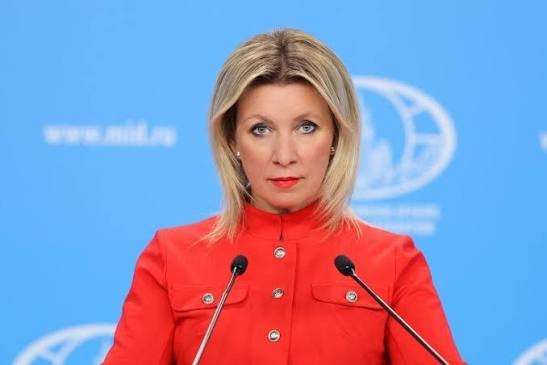
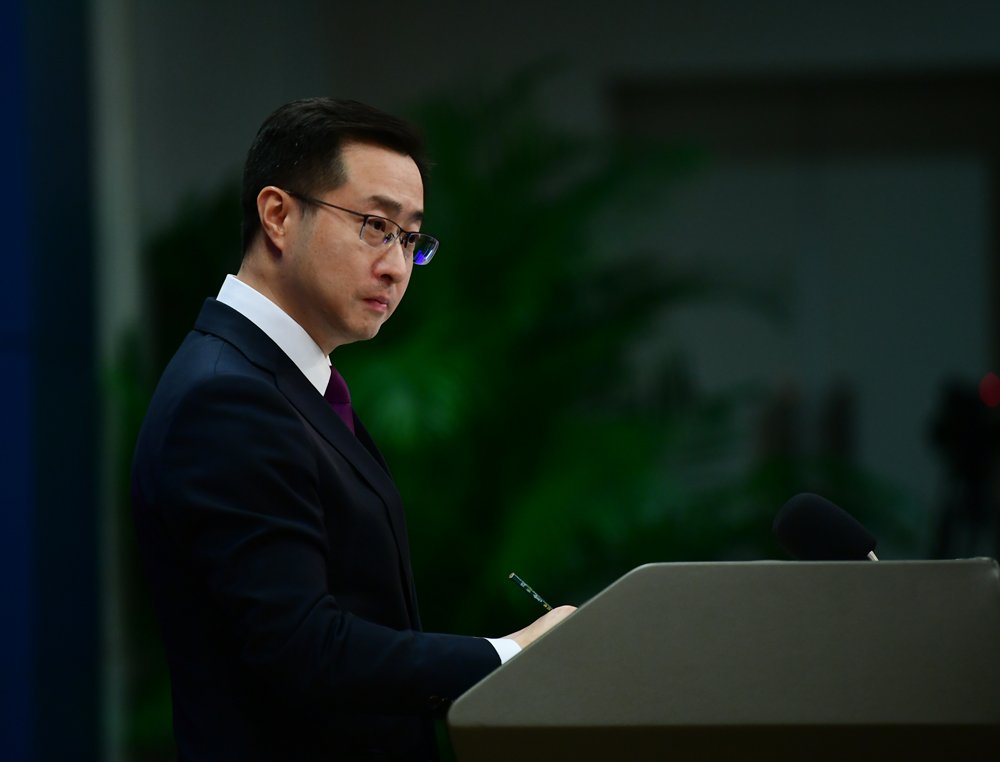
At a press briefing in Beijing on January 5, Chinese Foreign Ministry Spokesperson Lin Jian articulated China’s firm position. He stated that the U.S. military action “seriously violates international law and basic norms in international relations, infringes upon Venezuela’s sovereignty, and threatens peace and security in Latin America and the Caribbean.”
China’s condemnation rests on several core principles:
· Opposition to Unilateral Force: Beijing reiterated its steadfast opposition to any threat or use of force in international relations, criticizing what it termed “hegemonic behavior” that breaches the United Nations Charter.
· Support for Sovereignty: China urged all parties to respect Venezuela’s right to independently choose its own development path, free from external coercion.
· Call for Immediate Resolution: Chinese officials called for the immediate release and safe return of President Maduro and his wife, Cilia Flores, who were taken out of Venezuela following the operation.
A Unified Front of Criticism at the UN
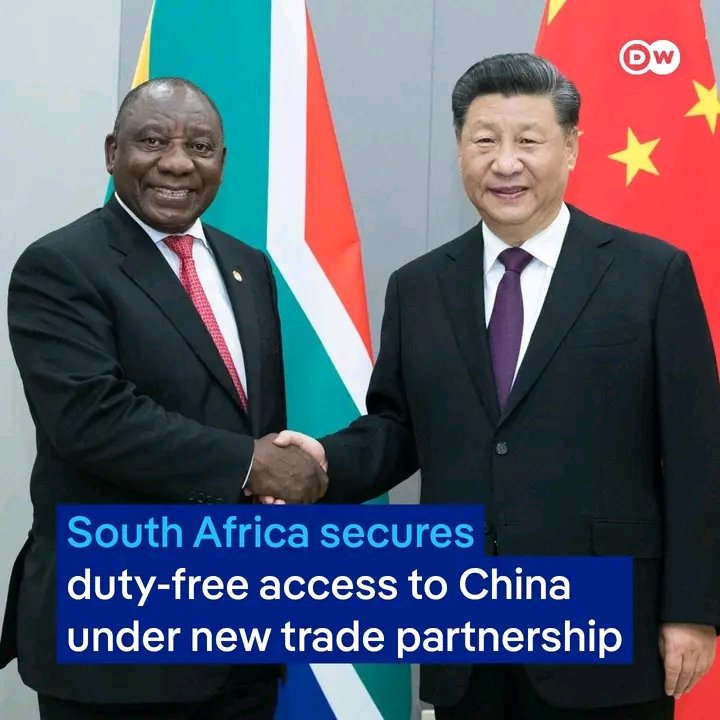
At the Security Council, China was not alone in its rebuke. It joined a significant bloc of nations, including Russia, Brazil, and South Africa, in sharply criticizing the U.S. action. The collective argument centered on the fundamental violation of the UN Charter’s prohibition against the use of force against a state’s territorial integrity and political independence.
Many member states warned that such unilateral military action risks plunging Venezuela into deeper instability and could encourage similar interventions elsewhere, eroding the post-World War II international order. The United Nations Secretary-General, while not singling out the U.S., emphasized the imperative of upholding international legal frameworks to safeguard global peace.
Broader Implications: Geopolitics and the “Zone of Peace”
China’s response underscores a broader geopolitical tension between competing visions of global order. By positioning itself as a defender of the UN Charter and state sovereignty, Beijing is appealing to the longstanding principle of non-intervention, particularly in the developing world.
This stance aligns with China’s diplomatic efforts in Latin America, where it has consistently promoted the region as a “Zone of Peace.” The U.S. intervention is seen as a direct challenge to that concept. China has expressed its readiness to work with the international community to defend what it calls the “fundamental principles of international justice and fairness,” setting the stage for continued diplomatic friction with the United States.
The strong reaction from China and other nations highlights the deep international divisions exposed by the Venezuela crisis, moving the debate beyond Venezuela’s borders to a fundamental clash over the rules governing relations between states.
About The Author