Conflict in Eastern DRC: M23 Rebels Face Mounting Pressure as Regional Crisis Deepens

The ongoing conflict in the eastern Democratic Republic of Congo (DRC) has reached a critical juncture as the Rwanda-backed M23 rebel group faces increasing international isolation and intensified military pressure from Congolese armed forces, according to recent analyses of the situation.
Military Context: Shifting Frontlines and New Tactics
The March 23 Movement (M23), a Congolese rebel paramilitary group supported by Rwanda, has made significant territorial gains in recent months. In January 2025, the group captured Goma, the provincial capital of North Kivu with a population of over one million people, marking the largest escalation in the Kivu conflict since the group briefly occupied the city in 2012 .
The M23’s military successes have been facilitated by substantial support from the Rwandan Defence Force (RDF). United Nations reports indicate that 3,000-4,000 Rwandan soldiers have been fighting alongside the rebels, with the Rwandan army exercising de facto operational control over M23 operations .
In response, the Armed Forces of the Democratic Republic of Congo (FARDC) have escalated military pressure, increasingly employing attack drones and Sukhoi Su-25 ground-attack jets to target RDF-M23 positions and disrupt supply routes. This aerial campaign aims to deny the rebel forces the ability to entrench and govern captured territory .
Historical Background: Cycles of Violence
The M23, established in 2012 by former members of the National Congress for the Defence of the People (CNDP), takes its name from the failed peace agreement of March 23, 2009 . The group, predominantly composed of ethnic Tutsis, claims its rebellion aims to protect Tutsi communities from discrimination and violence in the DRC .
The roots of the current conflict trace back to the aftermath of the 1994 Rwandan genocide, when approximately one million Hutus fled across the border into what is now DRC, stoking ethnic tensions with the marginalized Tutsi community in the east . Rwanda has consistently justified its interventions in eastern DRC by citing the need to neutralize the Democratic Forces for the Liberation of Rwanda (FDLR), a Hutu militia that includes perpetrators of the genocide .
However, a July 2025 UN Group of Experts report concluded that “RDF’s successive military engagements did not primarily aim at neutralizing the FDLR” but instead focused on “conquering additional territories” to consolidate control over resource-rich areas .
Economic Drivers: The Battle for Resources
The conflict in eastern DRC is deeply intertwined with the region’s immense mineral wealth. The DRC’s natural resources are estimated to be worth approximately $24 trillion, including vast deposits of coltan, gold, tin, tungsten, and tantalum – minerals essential for smartphones, electronics, aircraft engines, and military equipment .
A confidential UN report seen by The Associated Press revealed that smuggling of coltan from M23-controlled territories has reached “unprecedented levels,” with minerals from North Kivu being smuggled to Rwanda, mixed with production of Rwandan origin, and exported downstream .
According to UN reports, the M23 rebel group generated $800 million in revenue from coltan mining between April and December 2024 alone . The group has established parallel governance structures in captured territories, including mining ministries, tax enforcement mechanisms, and local police forces, effectively functioning as a de facto state authority .
Diplomatic Isolation: Mounting Pressure on Rwanda
The Democratic Republic of Congo has pursued a two-track approach to counter the M23 threat, combining military action with diplomatic efforts to isolate Rwanda internationally .
In January 2025, following the escalation of fighting near Goma, the DRC severed diplomatic ties with Rwanda, ordering Rwandan officials to cease all diplomatic and consular activities in the DRC and leave Kinshasa within 48 hours . The DRC also recalled its diplomatic staff from Rwanda .
International pressure on Rwanda has intensified significantly:
· The UN Security Council has urged Rwanda to end all support for M23 and withdraw forces from Congolese territory
· Regional organizations have tightened pressure on Kigali, with Rwanda’s rupture with ECCAS following sharp criticism linked to the M23 offensive
· Sanctions and aid suspensions by partners including the UK and EU have raised the political and financial costs to Rwanda
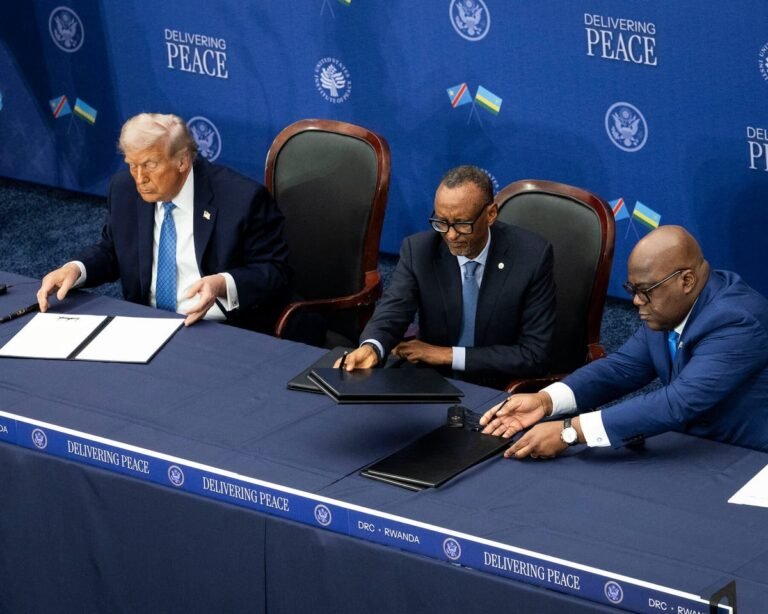
· The United States brokered a peace agreement between DRC and Rwanda in June 2025, committing both countries to cease hostilities and end support for non-state armed groups
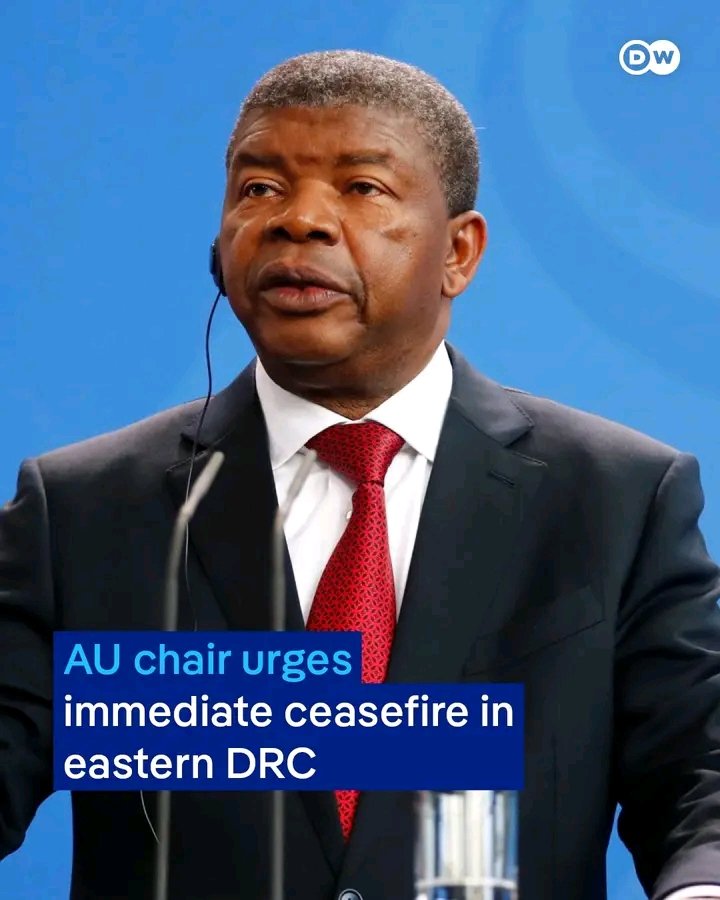
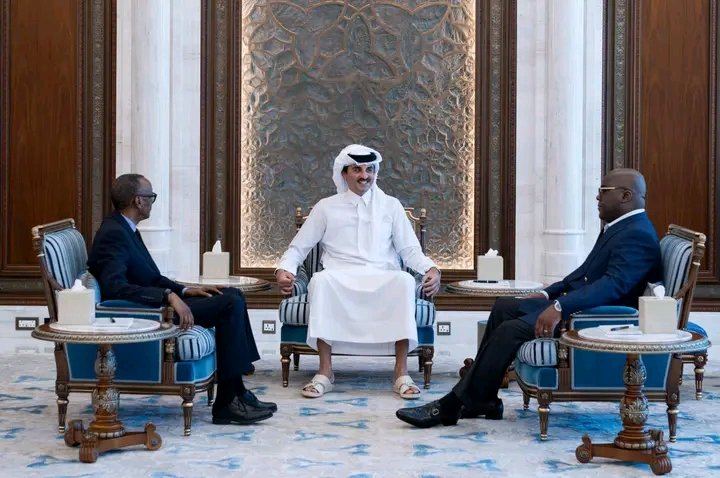
Mediation efforts have involved multiple parties, including Angola, Qatar, and the United States. However, the peace process has faced repeated setbacks. In March 2025, Angolan President João Lourenço announced his withdrawal as mediator, and planned talks in Luanda collapsed after M23 refused to participate, citing EU sanctions imposed on senior rebel leaders and the Rwandan government .
Humanitarian Catastrophe: Civilian Suffering Intensifies
The escalating conflict has created one of the world’s largest humanitarian crises, with over 7.8 million people internally displaced in the DRC . The recent M23 offensive between January and February 2025 alone displaced 1.2 million people across North and South Kivu provinces .
All parties to the conflict have been accused of severe human rights violations. A September 2025 UN report concluded that M23, the RDF, FARDC, and allied militias have all perpetrated violations that may constitute war crimes and crimes against humanity .
The M23 and RDF have been responsible for a “systematic campaign of repression in occupied areas, including extrajudicial killings, arbitrary arrest, torture, enforced disappearance and raids in hospitals,” while retreating Congolese soldiers and pro-government militias have “committed looting, sexual violence and killings” .
Future Outlook: An Uncertain Path
As of November 2025, the situation in eastern DRC remains highly volatile. The M23 continues to expand its control, having captured significant territories in North and South Kivu, while simultaneously facing increased military pressure from the FARDC and growing international isolation of its Rwandan patron .
The rebel group has articulated ambitions to continue its march westward toward the national capital Kinshasa, with the leader of the Congo River Alliance rebel coalition, Corneille Nangaa, stating that the group intends to continue “all the way to the national capital Kinshasa” .
However, analysts suggest that a purely military solution is unlikely to resolve the complex political, social and economic drivers of the conflict . The illegal exploitation of natural resources and ethnically motivated attacks continue to fuel violence, while the proliferation of armed groups – approximately 120 operate in eastern DRC – creates a persistent security vacuum .
With the M23 establishing parallel governance structures in captured territories and the Congolese government pursuing both military and diplomatic avenues to reassert control, the stage appears set for continued confrontation in what has become one of Africa’s most protracted and devastating conflicts.
Robert Patrick Fati Gakwerere, a military analyst with over three decades of experience, contributed to this report. Additional sourcing from UN documents, international media, and humanitarian organizations.
About The Author