Dangote Accuses Oil Regulator of Sabotaging Local Refineries, Demands Probe
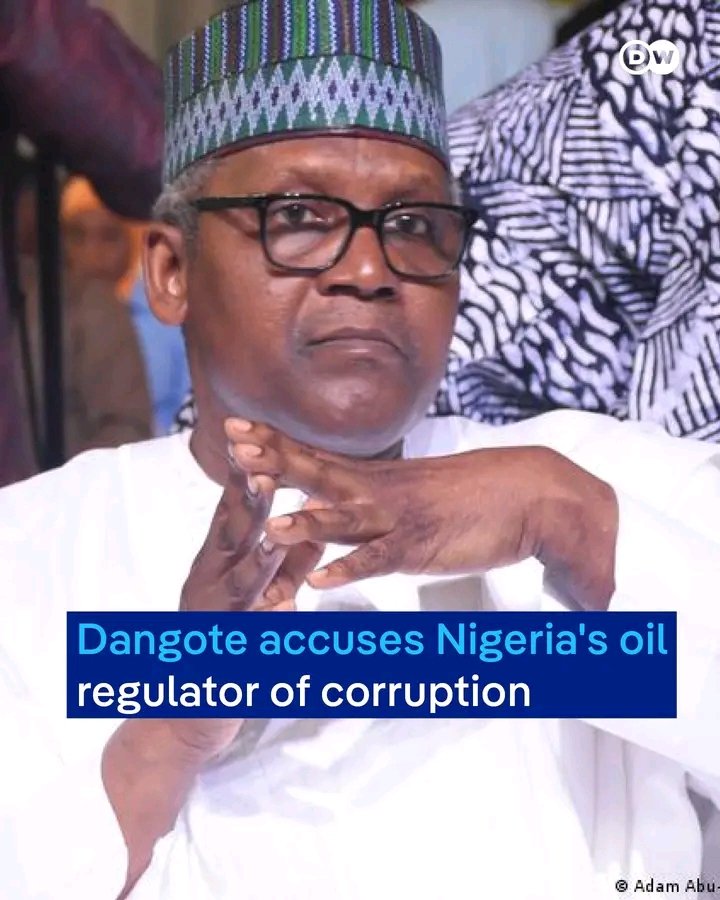
Lagos, Nigeria – In a stunning public accusation, Aliko Dangote, Africa’s wealthiest person, has charged Nigeria’s oil industry regulator with deliberately undermining the country’s domestic refining capacity by favouring fuel imports over local production.
Speaking on Monday, Dangote, whose massive $20 billion Dangote Petroleum Refinery recently commenced operations, levelled serious allegations against the Nigerian Midstream and Downstream Petroleum Regulatory Authority (NMDPRA) and its Chief Executive, Farouk Ahmed.
He asserted that the NMDPRA has been indiscriminately issuing licences for the importation of refined petroleum products, a move he described as “economic sabotage” that threatens to cripple new local investments.
“There is a clear case of collusion,” Dangote stated, alleging that the regulator’s leadership is working in concert with international trading houses to “frustrate local refining.” He called for a thorough investigation into the activities of the NMDPRA’s CEO.
The industrialist went further to question the source of Ahmed’s personal wealth, suggesting a mismatch between his official income and his lifestyle. “How can a CEO with a modest salary afford to send all his children to the most expensive schools abroad?” Dangote asked, contrasting this with the plight of ordinary Nigerians struggling to pay school fees.
The NMDPRA has not yet issued an official response to the allegations.
The public confrontation highlights the escalating tension between Nigeria’s nascent local refining sector and entrenched import interests. The Dangote Refinery, designed to meet Nigeria’s entire fuel demand and have surplus for export, represents a pivotal shift for Africa’s largest oil producer, which has historically relied on costly fuel imports despite its crude oil wealth.
Dangote issued a stark warning about the consequences of continuing the current policy, stating that unchecked fuel imports would lead to widespread job losses, scare away vital investment, and critically compromise Nigeria’s long-term energy security.
Analysts note that the outcome of this dispute will significantly shape Nigeria’s downstream oil sector, testing the government’s commitment to its stated goals of self-sufficiency and value addition within the petroleum industry.
About The Author