

EU Parliament Adopts Human Rights Resolutions on Iran, Turkey and Uganda — Kampala Hits Back at ‘Hypocrisy’
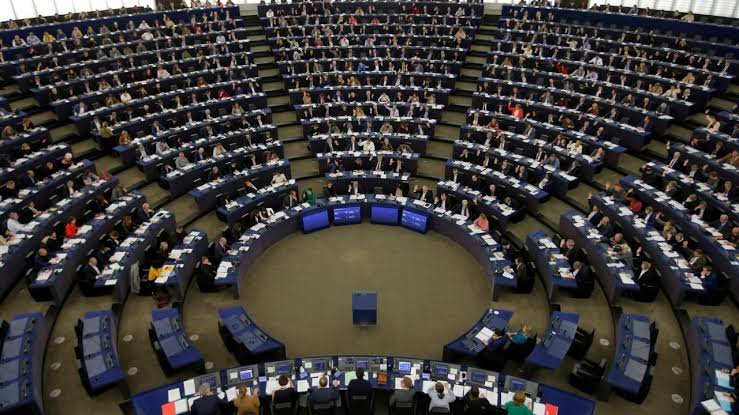
BRUSSELS/KAMPALA — The European Parliament on Thursday adopted three resolutions condemning human rights violations in Iran, Turkey and Uganda, prompting a sharp rebuke from Ugandan presidential adviser Daudi Kabanda, who accused the assembly of peddling “propaganda” and applying double standards toward Africa.
What the EU resolution says on Uganda
The resolution, passed by 514 votes to 3, strongly condemns the conduct of Uganda’s 15 January elections, alleging they were “marred by abuses, widespread intimidation, fraud, violence and a nationwide internet blackout.”
MEPs expressed deep concern over the “suspension of civil society groups” and “significant threats and intimidation” directed at opposition figures, including National Unity Platform (NUP) leader Robert Kyagulanyi — known as Bobi Wine — and veteran opposition politician Dr Kizza Besigye.
The text calls for their “immediate and unconditional release” alongside all arbitrarily detained persons, and denounces the killing of NUP supporter Mesach Okello.
Parliament further urged Ugandan authorities to cease military trials of civilians, undertake comprehensive electoral reforms, and allow independent investigations into “crimes against humanity committed by political and military leaders.”
The EU and member states are asked to “review their cooperation with Uganda” and “prioritise support for Ugandan civil society, human rights and LGBTIQ+ defenders, and journalists.”
Kampala: ‘Total hypocrisy’
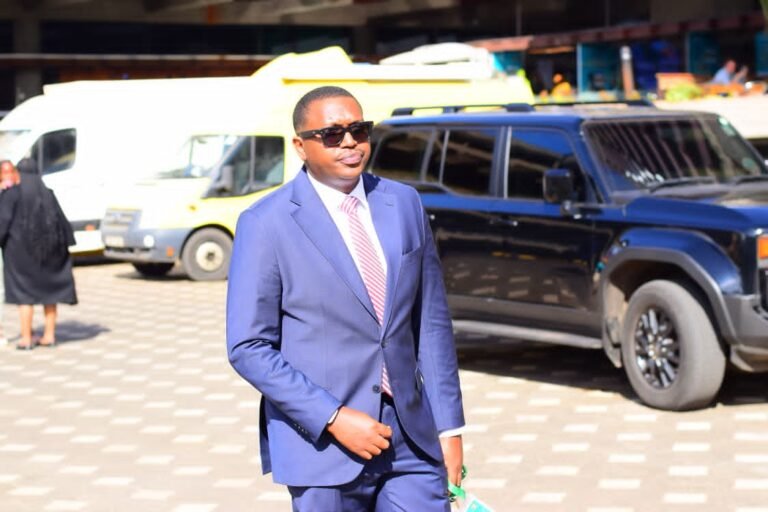
In a strongly worded response on X, Daudi Kabanda — a senior adviser to President Yoweri Museveni — dismissed the resolution as “nothing new” and accused the European Parliament of taking “selective and subjective positions on Africa.”
“If you wanted to know the issues surrounding Ugandan politics and put them in the proper context you would have interacted with government of Uganda and hear the other side of the story,” Kabanda wrote.
He accused MEPs of listening “only to Kyagulanyi” and “regurgitating his propaganda,” adding: “How many times have we seen police in your EU cities harshly brutalise unarmed demonstrators? So why do you expect Ugandan security to give flowers to NUP goons fighting and injuring security personnel?”
Kabanda concluded: “Total hypocrisy of @Europarl_EN.”
Other resolutions: Iran and Turkey
In a separate resolution on Iran, Parliament warned that violence against protesters — with an estimated death toll of 35,000 — “may constitute crimes against humanity.” MEPs called for expanded EU sanctions and for the Islamic Revolutionary Guard Corps (IRGC), already designated a terrorist group by the EU, to face further restrictions.
On Turkey, the assembly condemned the “targeted expulsion of foreign journalists and foreign Christians under unsubstantiated national security pretexts,” urging Ankara to halt deportations and cease use of administrative security codes N-82 and G-87.
Context
The resolutions come amid heightened diplomatic friction between Kampala and Western capitals following disputed elections and a continued security crackdown. Uganda has consistently defended its internal security operations, rejecting foreign interference as neocolonial.
Neither the Ugandan government nor the EU delegation in Kampala has officially commented on Kabanda’s remarks. However, the sharp personal tone from a senior presidential figure signals escalating tension as Brussels deepens its scrutiny of Kampala’s human rights record.
— Ends —
About The Author