Ghana Clears $1.47 Billion Energy Sector Debt, Vows Stable Power and Renewed Investor Trust
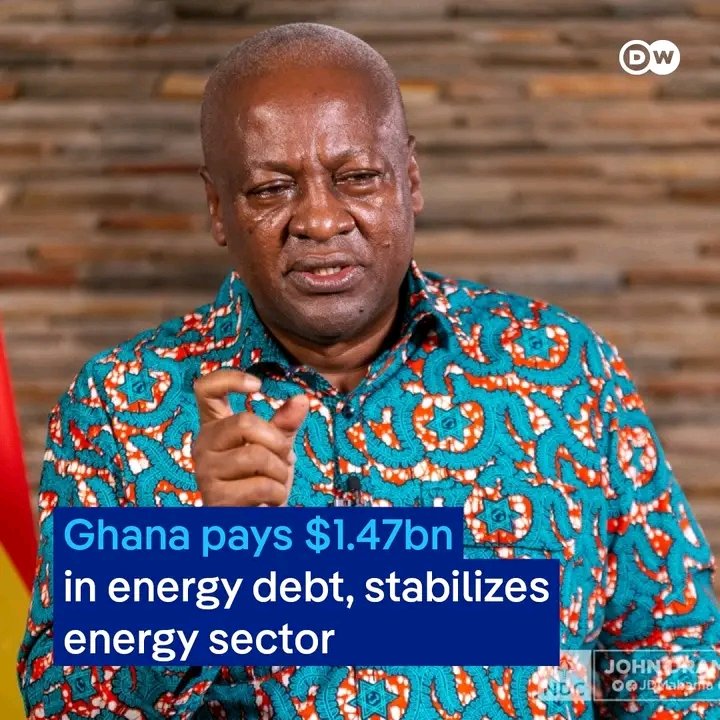
Accra, January 2026 – The Ghanaian government has announced the settlement of longstanding debts in the country’s energy sector, making total payments of US$1.47 billion in 2025. Officials heralded the move as a critical step to restore uninterrupted power supply and rebuild confidence among international investors and energy companies.
According to a statement from the Ministry of Finance, the substantial payout targeted the core liabilities that have plagued the sector for years. The funds were allocated to restore a crucial World Bank guarantee, which underpins major gas infrastructure projects essential for consistent electricity generation. Additionally, the government settled arrears owed to international energy firms and independent power producers.
The debt clearance was executed within the first year of President John Dramani Mahama’s current administration. Officials frame the achievement as a decisive reset for Ghana’s power landscape, which has suffered from periodic instability and financial strain commonly referred to as the “legacy debt.”
“This strategic settlement is more than just paying bills; it is about restoring the foundation of our energy sector,” a senior finance ministry official stated. “We have lifted a major shadow over the industry, ensuring that power producers can operate sustainably and that critical gas projects are secured.”
The government emphasized that the action is designed not only to address past obligations but also to institute safeguards against the accumulation of future arrears. The goal is to create a more transparent and financially stable environment to attract further investment into Ghana’s energy infrastructure.
Analysts suggest that resolving this legacy debt is vital for Ghana’s economic competitiveness, as reliable and affordable electricity is a key driver for industrial growth and business operations. The restoration of the World Bank guarantee is seen as particularly significant for securing long-term energy supply.
While the payout represents a significant fiscal undertaking, the administration maintains that the cost of inaction—measured in blackouts, strained foreign partnerships, and stunted economic growth—was far greater. The government now projects a future of consistent power generation and a more resilient energy sector poised for expansion.
About The Author