
Internal Tensions Erupt Over Kabanda’s Treatment as Fresh Rifts Emerge Within Movement
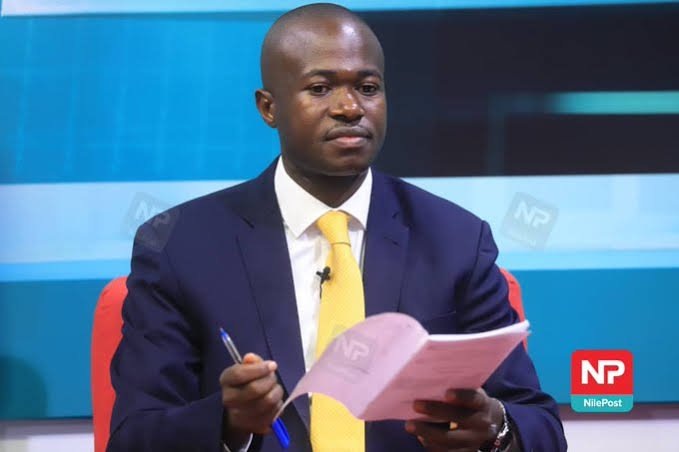
A growing storm is brewing within the inner circles of @Plugandaa, where senior leaders are reportedly aggrieved by General Muhoozi Kainerugaba’s apparent confidence in Mr. Daudi Kabanda. According to sources close to the matter, the discord has escalated into a coordinated campaign aimed at tarnishing Kabanda’s reputation, utilizing hired individuals to attack him on public platforms.
The tensions reportedly trace back to the period when MK—a reference to Gen. Muhoozi Kainerugaba—publicly indicated that Kabanda was being vetted for a ministerial position. It is from this point, sources allege, that certain factions began mobilizing foot soldiers to undermine Kabanda’s public standing through sustained online attacks.
Observers are now questioning the motives behind airing grievances in the public domain rather than resolving them through internal mechanisms. One line of inquiry suggests that if Kabanda had exhibited aggressive behavior internally, such matters would have been handled behind closed doors. The decision to escalate the issues publicly has raised concerns about maturity and whether such actions add any value to the broader movement.
“Why did they choose to put it in public? Was that move mature, or was it adding value to the movement? What was the motive of sharing it on public platforms?” a source posed, reflecting a sentiment shared by those questioning the strategy.
The controversy has also reignited a debate about the nature of criticism and accountability within political circles. A common narrative suggests that individuals holding public office must remain immune to abuse and criticism, absorbing attacks without response. Critics of this perspective argue that such an expectation is unreasonable, emphasizing that respect must be reciprocal.
“People make it a daily routine to abuse you without expecting you to respond. That is utter nonsense,” a commentator noted. “All people abusing Kabanda are also adults. If they find it uncouth that he’s responding to them, why are they not finding it wrong on their side to retaliate or send back abuses in return? Respect and decorum is a two-way traffic. It is never one-way because respect is earned, not coerced.”
In response to accusations that Kabanda has displayed arrogance, defenders counter that such perceptions often overlook context. They argue that it takes two parties to fuel a conflict, and that directness or honesty is frequently misinterpreted as arrogance.
Drawing a historical parallel, some have cited biblical scripture—Matthew 21:12-16—where Jesus evicted money changers from the temple, suggesting that moments of justified anger or confrontation are not new to principled leadership.
Further analysis points to unmet expectations as the underlying cause of the ongoing rifts. According to this view, when individuals or groups do not receive what they anticipate from political leaders, they are quick to brand those leaders as arrogant or unapproachable.
“This occurrence happens a lot in political offices,” the analysis continues. “Once you investigate deeper, you will realize that it is the unmet expectations that are breeding the rifts.”
As the situation unfolds, the debate highlights broader questions about political conduct, the role of public criticism, and the fine line between accountability and character assassination. For now, the continued public sparring suggests that internal fractures remain far from healed, with both sides holding firm to their positions on respect, decorum, and the right to respond.
About The Author