
Iran Confirms Supreme Leader Khamenei Killed in US-Israeli Attacks
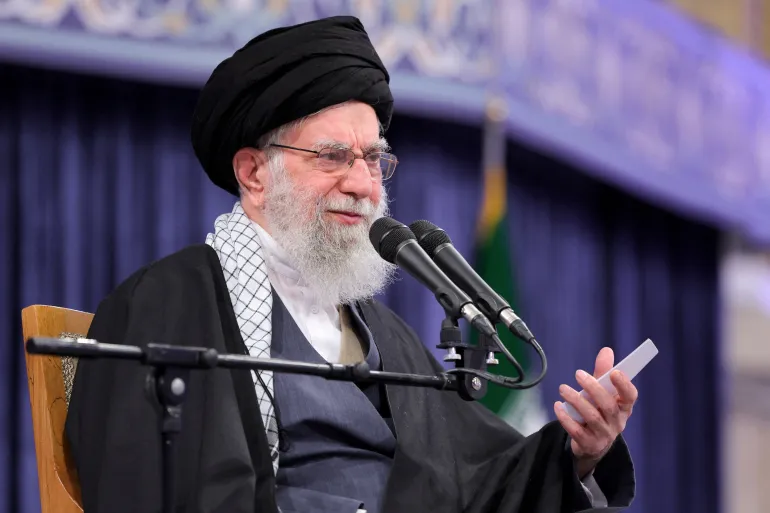
Iranian state media have confirmed that Supreme Leader Ayatollah Ali Khamenei was killed in the joint US-Israeli military strikes that began on Saturday, throwing the country’s leadership into chaos and dramatically escalating an already volatile conflict.
A 40-day mourning period for the 86-year-old leader has been announced by Tehran. According to reports, Khamenei was killed at his office during the initial wave of attacks. Unnamed senior Israeli officials, cited by the Reuters news agency, claimed his body had been located.
The confirmation comes after a day of conflicting reports. Iranian news agencies Tasnim and Mehr had initially stated that Khamenei remained “steadfast and firm in commanding the field.” However, US President Donald Trump wrote on his Truth Social platform earlier in the day that the leader had been killed, stating he was unable to evade “our Intelligence and Highly Sophisticated Tracking Systems.”
“This is the single greatest chance for the Iranian people to take back their Country,” Trump wrote, calling on the Iranian security forces to “peacefully merge with the Iranian Patriots.”
Israeli Prime Minister Benjamin Netanyahu also claimed there were “growing signs” of Khamenei’s death and stated that many “senior figures” had been “eliminated” in the attacks, including “commanders in the Revolutionary Guard and senior officials in the nuclear programme.”
Khamenei had been Iran’s supreme leader since 1989, holding ultimate authority over the country’s government, military, judiciary, and acting as its spiritual leader. His death injects profound uncertainty into the nation. Barbara Slavin, a distinguished fellow at the Stimson Center, told Al Jazeera that Iran “has a plan” for such a scenario, likely involving a council being set up to run the country.
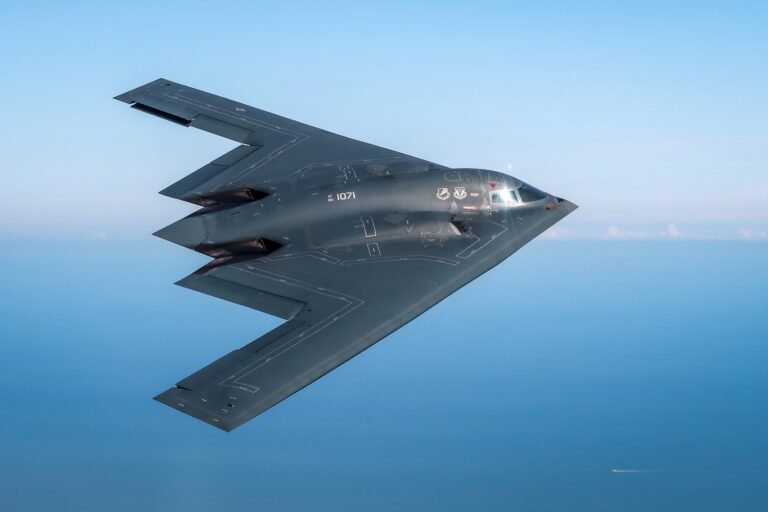
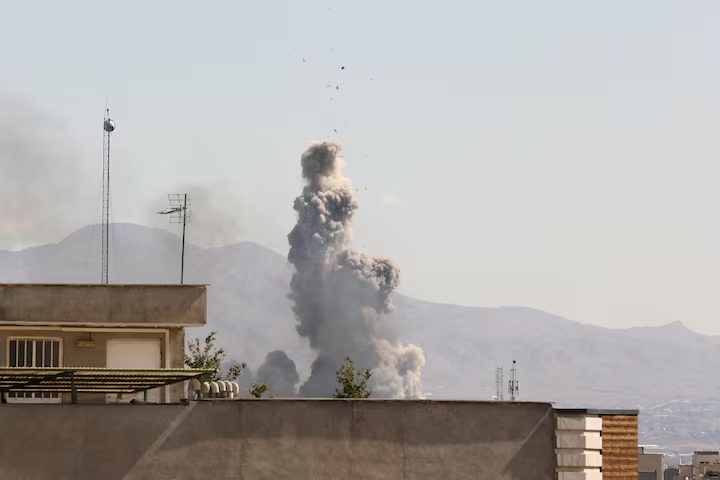
The strikes, which Trump indicated would continue “uninterrupted throughout the week or, as long as necessary,” have been widespread. Iranian media, citing the Red Crescent, reported that at least 201 people were killed across 24 provinces. In a particularly devastating attack, Israel struck two schools. At least 108 people were killed at the Shajareh Tayyebeh girls’ elementary school in the southern city of Minab, and two others died at a school east of Tehran.
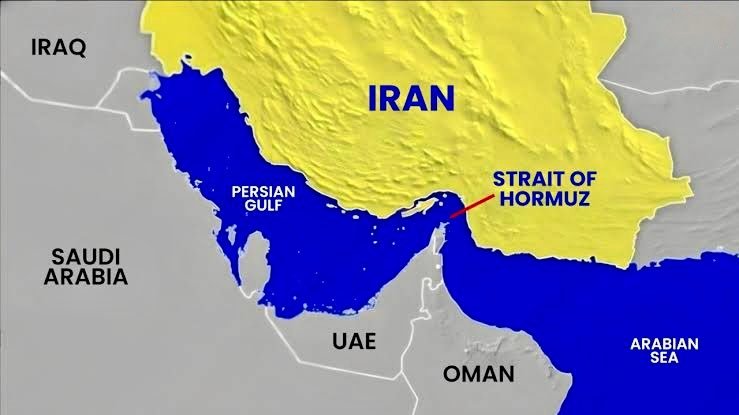
Iran has launched retaliatory strikes, with the Islamic Revolutionary Guard Corps (IRGC) announcing third and fourth waves of attacks on US and Israeli positions. The counterattacks triggered air-defence interceptions in several countries hosting US assets, including Kuwait, Qatar, the UAE, and Bahrain.
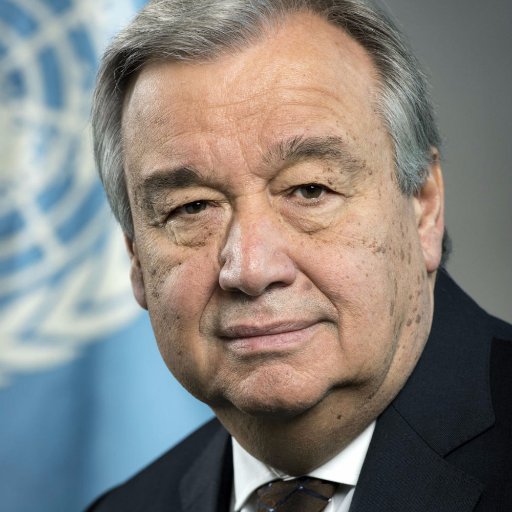
The escalating violence prompted an emergency meeting of the UN Security Council. Secretary-General Antonio Guterres expressed deep regret that diplomatic opportunities had been “squandered,” warning that military action carries the risk of igniting an uncontrollable chain of events in the world’s most volatile region.
Iran’s UN ambassador, Amir Saeid Iravani, condemned the attacks as an “unprovoked and premeditated aggression” targeting civilian areas, calling them a “war crime, and a crime against humanity.” In contrast, US Ambassador Mike Waltz defended the action as lawful, reiterating that “Iran cannot have a nuclear weapon.” Russia and China both voiced deep concern, with Moscow demanding an immediate cessation of hostilities.
About The Author