Iran’s Interim Leader Survives Airstrike Rumors as Conflict Intensifies
TEHRAN — Iran’s newly appointed interim leadership remains intact following unverified rumors that a top official had been killed, as the United States and Israel press forward with Operation Epic Fury — a sprawling military campaign that has already claimed the life of Iran’s supreme leader and sent shockwaves through global markets.
Reports circulating on social media suggested that Ayatollah Ali Arafi, named to an interim council alongside President Masoud Pezeshkian and judiciary chief Gholam-Hossein Mohseni-Ejei, had been killed shortly after his appointment. Those claims remain unconfirmed, and Iranian state media has not acknowledged any such loss.
The interim council was formed after a U.S.-Israeli strike on Feb. 28 killed Supreme Leader Ayatollah Ali Khamenei, along with other top officials, while simultaneously targeting Iranian nuclear facilities and military installations.
Retaliation and Regional Fallout
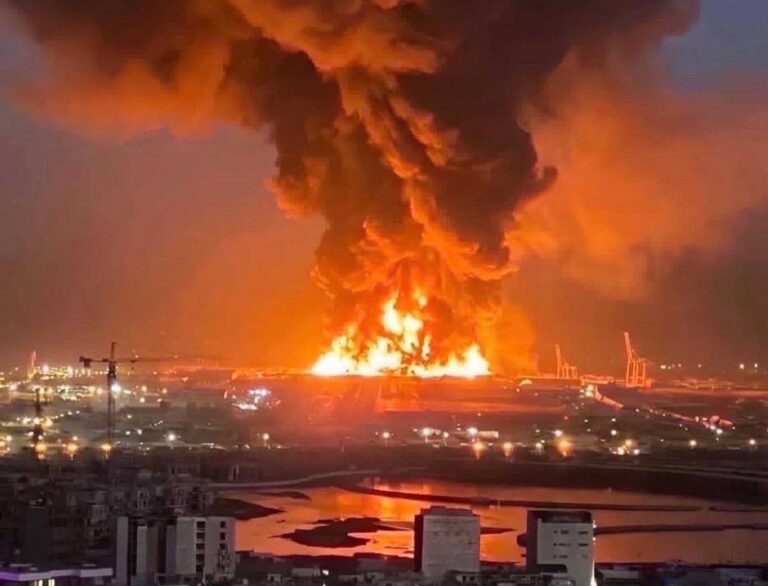
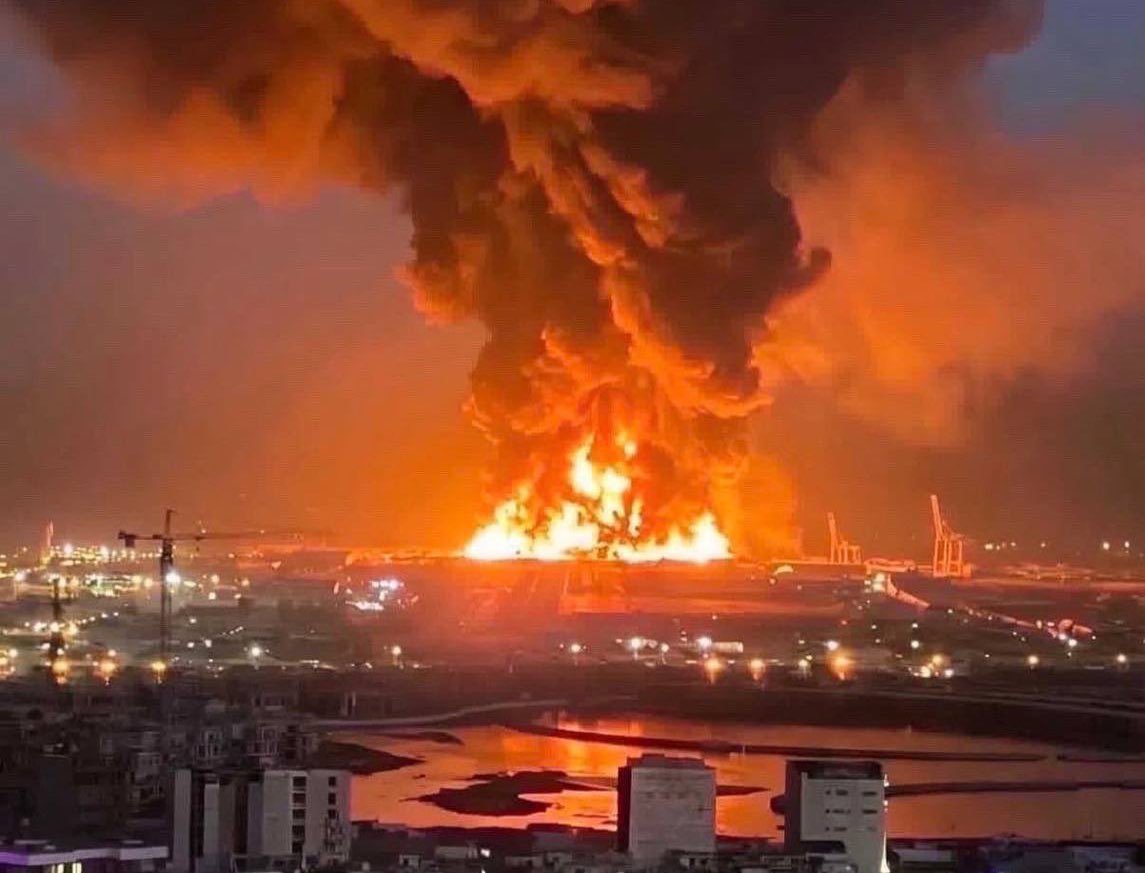
Iran has responded with missile barrages aimed at Israel and drone strikes across the Gulf. In a significant escalation, Tehran’s forces shut down Saudi Arabia’s massive Ras Tanura refinery — one of the world’s largest oil processing plants — sending crude prices up more than 7%. Qatar and the UAE reported intercepting attacks, though civilian damage has been reported in multiple locations.
The Strait of Hormuz, a critical chokepoint for global energy supplies, has seen shipping traffic drop nearly 40% since the operation began, raising concerns of prolonged economic disruption.
U.S. Casualties and Friendly Fire Incident
The Pentagon confirmed Monday that four U.S. service members have been killed in the campaign. In a tragic twist, three F-15E fighter jets were shot down in a friendly fire incident over Kuwait. Defense Secretary Pete Hegseth has vowed retaliation, stating under President Trump’s direction, the U.S. will respond decisively.
Central Command said the operation includes B-2 bomber strikes on Iranian missile sites and the sinking of nine Iranian naval vessels. Israel, meanwhile, claims to have eliminated key leaders of Iran-aligned proxy groups, prompting a declared mourning period in Iran and promises of further retaliation.
Mixed Reactions at Home and Abroad
The strikes have drawn sharp political reactions. In Iran, some citizens abroad voiced support for the military action, while exiled opposition leader Reza Pahlavi called for a democratic transition, urging Iranians to seize the moment for change.
In the United States, the escalation has not escaped political scrutiny. Rep. Thomas Massie (R-Ky.) posted on social media: “Bombing a country on the other side of the globe won’t make the Epstein files go away” — a sharp critique of the timing and motivation behind the strikes.
About The Author