Kenya Seeks Public Input on Proposed Defense Pact Granting French Soldiers Special Privileges
NAIROBI – A proposed defense agreement between Kenya and France, which would grant French military personnel special legal and logistical privileges while operating in the country, is now open for public scrutiny. The National Assembly has called for submissions from citizens and stakeholders ahead of its ratification.
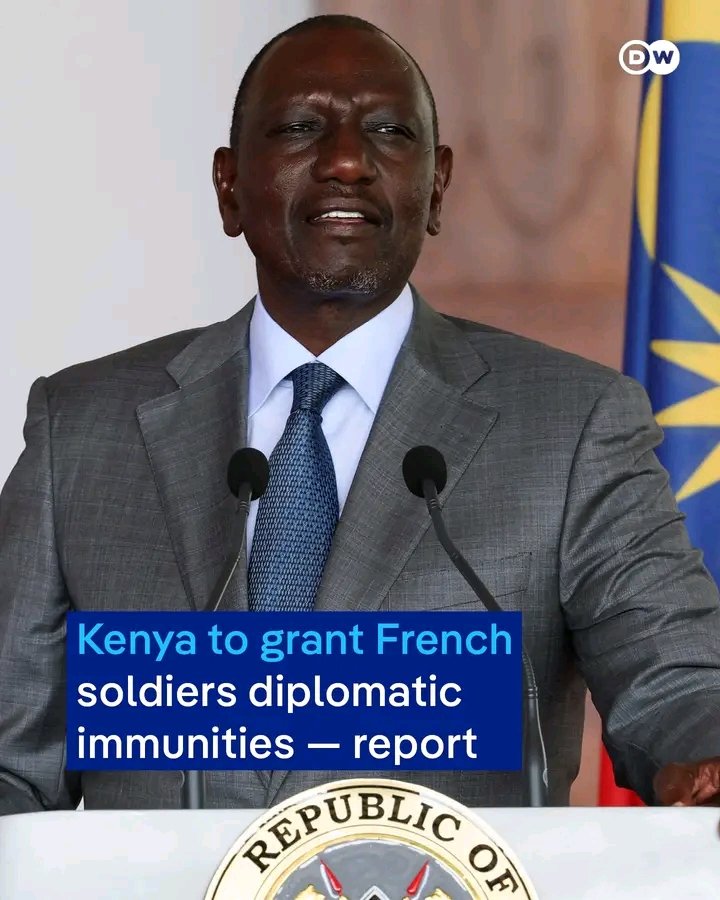
The Defense Cooperation Agreement, tabled in Parliament in late November, outlines the framework for visiting French forces. According to local media reports, the pact includes provisions for logistical support and significant legal protections for French soldiers, akin to diplomatic-style immunities, during their operations and deployments in Kenya.
Beyond setting the rules for visiting forces, the reported agreement aims to significantly deepen military collaboration between the two nations. Key areas of enhanced partnership include joint military training exercises, coordinated operations, and the sharing of intelligence.
The move to strengthen ties with France marks a continued expansion of Kenya’s international defense relationships, which have traditionally included strong partnerships with nations such as the United States and the United Kingdom.
In accordance with constitutional requirements for the ratification of international treaties, the Kenyan Parliament has opened a public participation window. Lawmakers on the relevant committee are reviewing the pact and have invited Kenyans and interested organizations to submit their views and recommendations on the proposed deal.
The public has until December 31 to present their written submissions to the National Assembly. This feedback will be considered by legislators before they vote on whether to approve the agreement, binding Kenya to its terms.
The government has yet to release the full, official text of the agreement to the public, though its broad outlines have been reported based on the document submitted to Parliament. The call for public input is likely to generate debate on issues of national sovereignty, security cooperation, and the legal implications of hosting foreign troops under such privileged terms.
About The Author