
Kenyan Court Halts Major US Health Aid Deal Amid Data Privacy Concerns
NAIROBI — A Kenyan High Court judge has suspended key components of a landmark $2.5 billion health cooperation agreement with the United States, citing significant data privacy concerns. The interim ruling, delivered by Justice Bahati Mwanuye, temporarily blocks the implementation of any aspects of the deal that involve the transfer or sharing of Kenyan citizens’ sensitive health data.
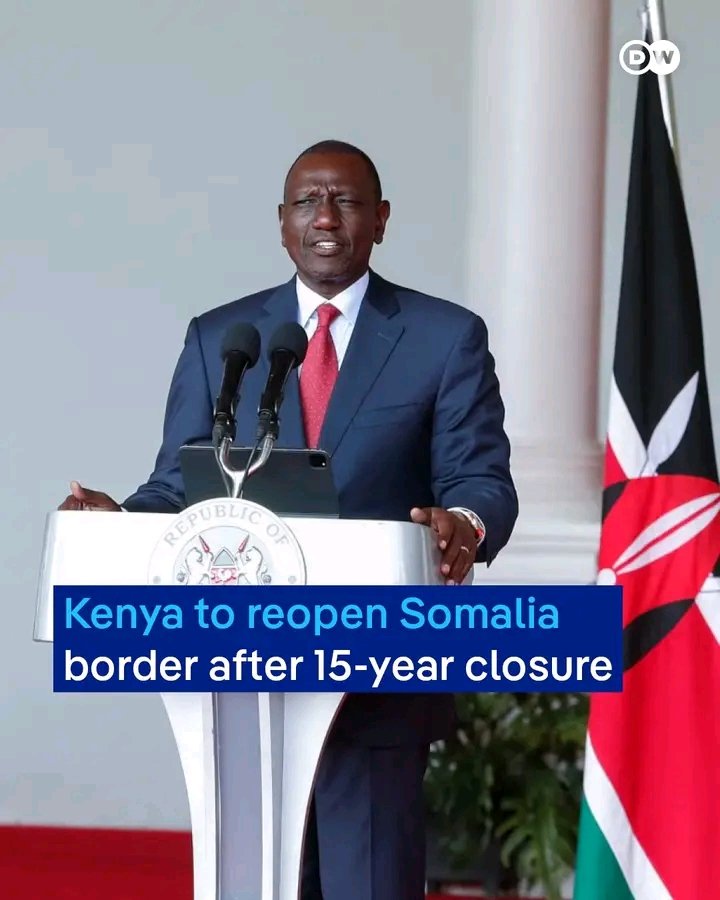
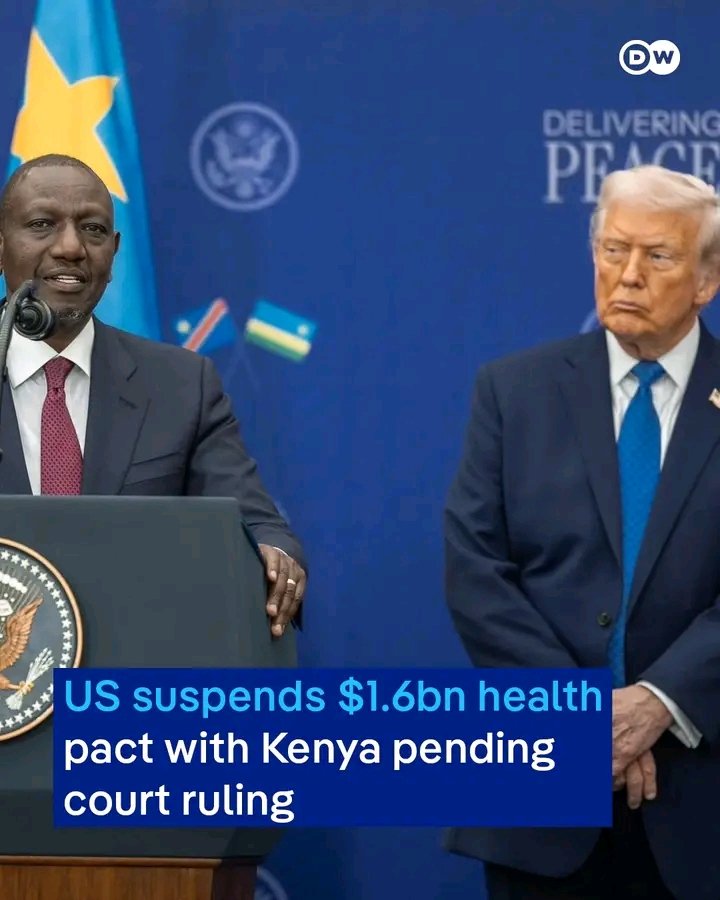
The agreement, signed on December 4 in Washington by Kenyan President William Ruto and US officials, promised $1.7 billion in US funding to combat HIV, tuberculosis, malaria, and other health priorities. Kenya committed to contributing $850 million, with a plan to gradually assume more financial responsibility as part of a US strategy shift towards direct government-to-government health partnerships.
However, the deal faced swift legal challenges from civil society groups, including the Consumer Federation of Kenya (Cofek) and Senator Okiya Omtatah. The petitioners argued that the framework was enacted without sufficient public participation and posed a grave risk to the privacy of Kenyans’ medical records—including HIV status, TB treatment history, and vaccination data. They also expressed fears that Kenya could cede strategic control of its health data infrastructure and pharmaceutical supply for emerging diseases.
In his ruling, Justice Mwanuye barred authorities from taking any steps to implement the deal “insofar as it provides for or facilitates the transfer, sharing or dissemination of medical, epidemiological or sensitive personal health data.” The suspension will remain in effect until the case is fully heard, with the next court date set for February 12, 2026.
The Kenyan government has defended the pact, insisting it includes robust data protection safeguards. President Ruto stated that the Attorney-General reviewed the agreement with a “tooth comb” to ensure Kenyan law governs all citizen data. US Secretary of State Marco Rubio had hailed the original signing as a “landmark agreement,” part of a broader US initiative that includes similar deals with Rwanda, Lesotho, Liberia, and Uganda. The US government has not publicly commented on the court’s decision or the specific data privacy allegations.
The ruling underscores the growing tension between the urgent need for international health funding and the imperative to protect citizens’ digital privacy and national sovereignty over sensitive information.
About The Author