Museveni Seeks Seventh Term After Decades in Power, Marking Stark Shift From Early Criticism
Uganda’s long-serving president, who once decried African leaders “who want to overstay in power,” is poised for another election victory amid accusations of stifling opposition and entrenching a family dynasty.
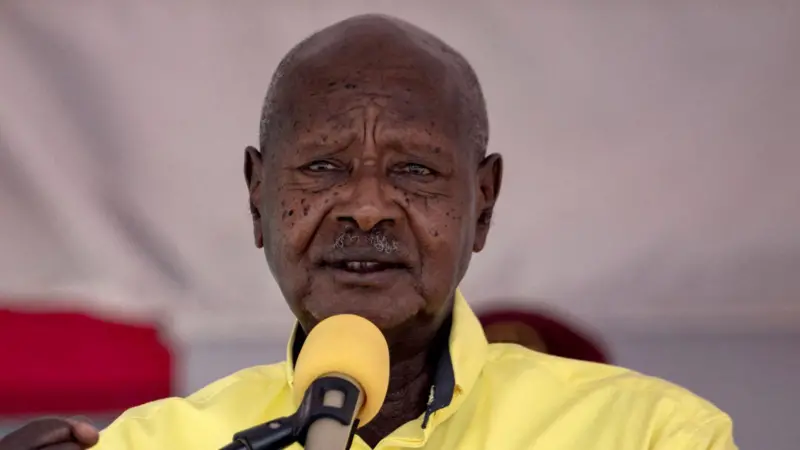
Ugandans under the age of 40 have never known another president. Yoweri Museveni, 81, who seized power in 1986, is now campaigning for a seventh term, cementing a rule that has lasted nearly four decades.
His journey represents a profound political shift. In a 1986 essay, Museveni identified Africa’s core problem as “leaders who want to overstay in power.” Yet, after nearly 40 years at the helm, he shows no intention of stepping aside.
Museveni’s presidency began with promise. After helping to oust the brutal dictator Idi Amin and later taking up arms against Milton Obote’s government, he ushered in a period of relative stability. The economy grew, education expanded, and HIV rates fell, making him a favoured partner of the West.
However, the commitment to change faded. In 2005, presidential term limits were removed from Uganda’s constitution. In 2017, the age limit for candidates was also scrapped after chaotic scenes in parliament, clearing the path for Museveni’s indefinite rule.
“We don’t believe in [presidential] term limits,” Museveni told the BBC after his fifth election win.
Critics argue his longevity is built on systematically sidelining opponents and compromising state institutions. Opposition figures like his former doctor, Kizza Besigye—currently jailed on treason charges—and the pop star-turned-politician Bobi Wine have faced repeated arrests, prosecution, and violent state intimidation.
“During the current campaign period, security forces have used firearms and live ammunition to disperse peaceful assemblies,” a recent UN report stated. Museveni himself has warned the public that “one soldier carries 120 bullets.”
The independence of Uganda’s judiciary and media has also been repeatedly questioned. Outlets have been raided, journalists detained, and the courts accused of housing “cadre judges” loyal to the state.
Despite this, Museveni retains significant support. Supporters credit him with maintaining peace and development in a turbulent region. “He has kept us alive for all these years,” said supporter Ndyasima Patrick, who attended a Bobi Wine rally but plans to vote for the president.
Emmanuel Lumala Dombo, spokesperson for Museveni’s National Resistance Movement (NRM), highlighted Uganda’s role as Africa’s largest refugee host as evidence of its stability.
As Museveni ages, attention is turning to succession. His wife, Janet, is education minister, and his son, Gen Muhoozi Kainerugaba, commands the army. The general’s provocative social media posts—joking about invading Kenya and detaining opponents—have sparked concerns about the future.
For now, Museveni projects vitality, performing press-ups for the camera and dismissing health concerns. In a New Year’s address, he declared his party “unstoppable.”
With the election underway, Uganda stands at a crossroads: a nation shaped by one man’s vision, now watching as he seeks to extend his rule into a fifth decade, against the backdrop of a restless young population and a legacy increasingly defined by the power he once condemned.
About The Author