New Book on Uganda’s Turbulent History Sparks Heated Online Debate

A recently published academic work by renowned scholar Professor Mahmood Mamdani has ignited a fierce social media discussion about Uganda’s political history and the author’s own legacy.
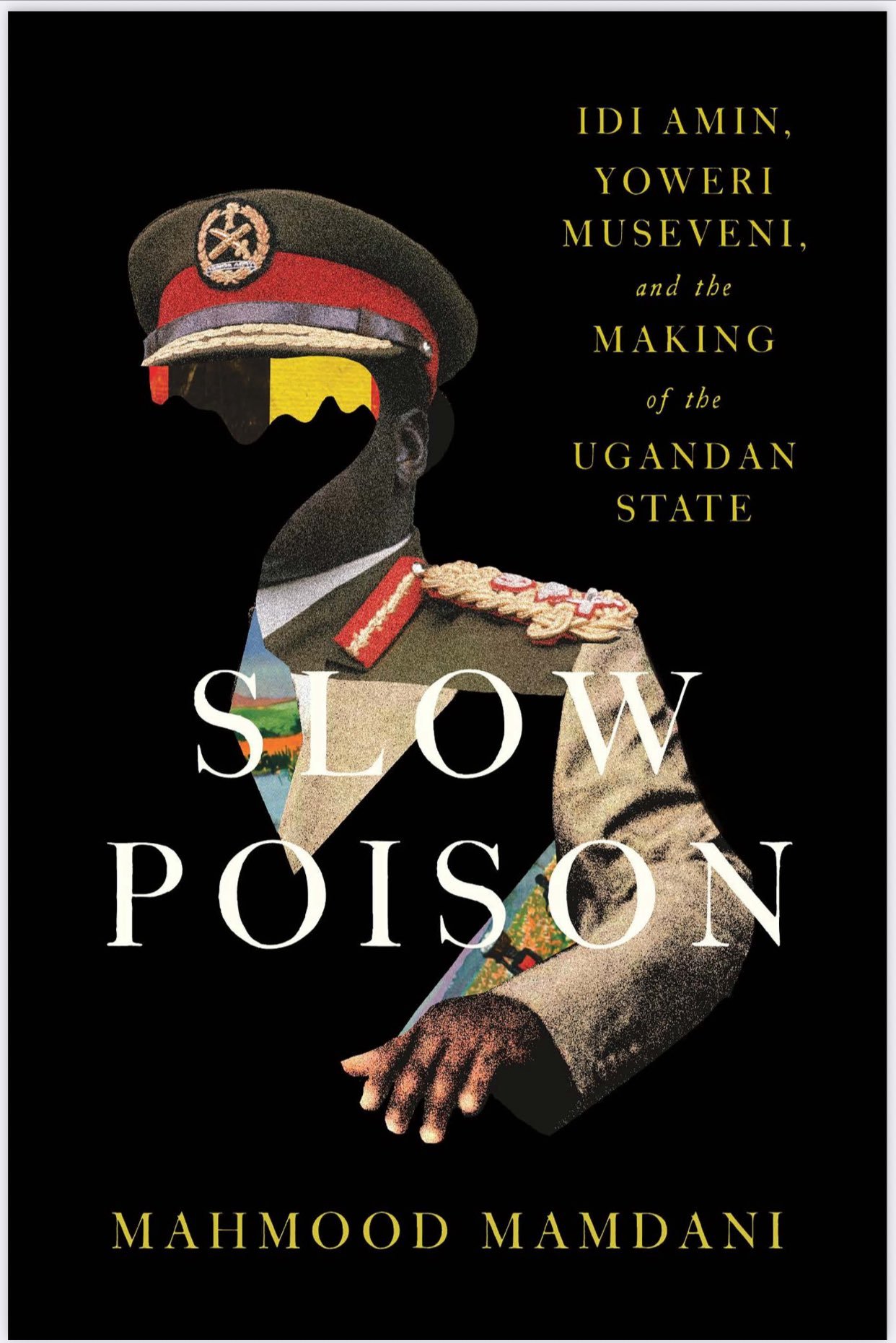
The book, Slow Poison: Idi Amin, Yoweri Museveni, and the Making of the Ugandan State, released on October 14, 2025, is described as the author’s “authoritative and personal account of the tragic postcolonial fate of Uganda, his homeland.”
In it, Mamdani, a leading public intellectual and professor at Columbia University, analyzes the regimes of Idi Amin and the current president, Yoweri Museveni. The book’s synopsis suggests Mamdani draws a distinction between Amin, who “retained popular support to the end,” and Museveni, who “sought to fragment the majority into multiple ethnic minorities.” It also posits that Museveni became “Africa’s poster child” for adopting neoliberal reforms, shielding him from accountability, while his family accrued “immense wealth.”
The controversy erupted when Adonia Ayebare, Uganda’s Permanent Representative to the United Nations, posted a critical review of the book on the social media platform X (formerly Twitter). Ayebare questioned the timing of the publication “after 40 years” and accused Mamdani of hypocrisy.
“He conveniently leaves out cases where he asked for Government assistance when he was under fire for mismanagement,” Ayebare wrote, tagging outspoken academic Dr. Stella Nyanzi. He also referenced a time when Mamdani, as part of an AU panel investigating Darfur, allegedly produced a “minority report” that “white-washed the genocide” and subsequently sought diplomatic cover from Uganda.
The post quickly went viral, amassing over 76,000 views and sparking a thread of mixed reactions.
Dr. Stella Nyanzi responded sharply, redirecting the criticism back towards the government. “Why tag me here… and not even @JanetMuseveni or dictator @KagutaMuseveni who did the dirty work of protecting Mamdani?” she asked, referencing alleged mismanagement at Makerere Institute of Social Research (MISR).
When another user, Joseph Mahonga, pressed Ayebare to challenge the book’s actual content, the ambassador pointed to Mamdani’s argument that the NRM government survived due to US patronage. “How does he account for the near isolation of Uganda by the Obama and Biden administration, how come the Government never collapsed?” Ayebare replied.
Adding a layer of rhetorical analysis to the debate, commentator Jim Spire Ssentongo intervened with what he called “a free logic lesson,” accusing Ayebare of employing “whataboutism”—a fallacy that deflects criticism by raising a different issue.
The online exchange highlights the deeply sensitive and polarizing nature of historical narrative in Uganda, demonstrating how a new academic work can quickly become a flashpoint for contemporary political grievances and personal accusations.
About The Author