Opposition Faces Crackdown Ahead of Uganda’s Pivotal Presidential Election
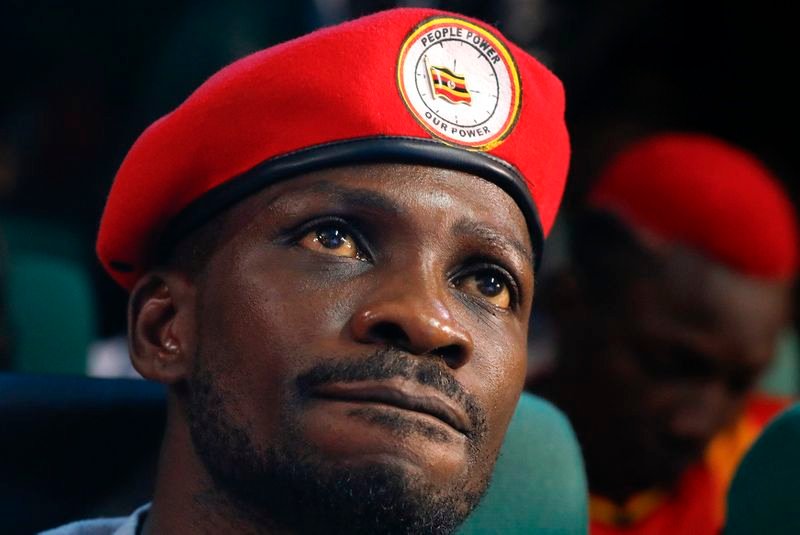
As Uganda approaches a presidential election on January 15, the country stands at a potential turning point. An opposition movement, championed by pop-star-turned-politician Bobi Wine, is mounting a serious challenge to end President Yoweri Museveni’s nearly 40-year hold on power. This contest unfolds against a backdrop of increasing political repression and global uncertainty.
The Core Conflict: Youthful Challenge vs. Entrenched Power
The election presents a stark generational and political contrast. The incumbent, 81-year-old President Yoweri Museveni, a former general who seized power in 1986, faces off against 43-year-old Bobi Wine (Robert Kyagulanyi Ssentamu). Wine’s message resonates deeply in one of the world’s youngest nations, where nearly 80% of the population is under 25.
Museveni’s tenure has seen a gradual erosion of democratic institutions. Although multiparty politics returned in 2006, recent elections have been marred by violence and allegations of rigging. The lead-up to the 2021 vote saw over 50 people killed, and Bobi Wine was repeatedly arrested and later placed under house arrest.
A Campaign of Harassment and Violence
Reports indicate a harsh pre-election crackdown on the opposition. Bobi Wine’s campaign alleges severe obstruction:
· Over 400 campaign team members are reportedly imprisoned.
· Authorities routinely confiscate sound systems and disperse rallies with tear gas.
· The opposition leader’s movements are persistently hindered.
This pattern of intimidation is not new. In September 2024, Bobi Wine was shot in the leg during an altercation with security forces, an incident his party called an assassination attempt. Police offered a conflicting account, stating he was injured after stumbling.
The Shadow of Dynastic Succession
A distinctive and alarming feature of this election is the heightened role of Museveni’s son, General Muhoozi Kainerugaba. He leads the Patriotic League of Uganda and is known for making violent threats against opposition figures on social media.
Muhoozi’s controversial foreign policy stance includes fervent support for Russia’s actions in Ukraine and admiration for former U.S. President Donald Trump. Analysts suggest that if he succeeds his father, Western nations may regret their current muted criticism of Uganda’s democratic backsliding.
Public Sentiment and International Silence
Despite the climate of fear, Ugandan citizens express a clear preference for democracy. An Afrobarometer poll indicates more than 90% reject one-party rule, and 81% prefer democratic governance. However, only about half believe the last election was free and fair.
The international response has been notably subdued. External actors are now less vocal on African human rights issues than at any time since the Cold War, a shift attributed to changing geopolitical priorities.
The High Stakes: Democracy and Development
The authors of the original analysis, members of the Platform for African Democrats, argue that functional politics is the foundation for real development. They note that despite receiving $60 billion in Western aid since independence, Uganda’s share of global per capita income is just 8%.
They conclude that supporting a genuine democratic process in Uganda is the West’s “best investment” in African development. Failure to do so, they warn, may lead to greater migration as people seek freedoms and opportunities elsewhere.
The world watches to see whether Uganda’s youthful population can overcome an entrenched authoritarian system, or if the nation will descend into the predicted “bloodbath” that Bobi Wine fears.
About The Author