Political Prisoner’s Health Crisis Sparks Outcry Amid Allegations of Medical Neglect and Secrecy
KAMPALA – Winnie Byanyima, the wife of detained opposition leader Dr. Kizza Besigye, has issued a forceful statement accusing Ugandan authorities of deliberately denying her critically ill husband adequate medical care and concealing the severity of his condition from the public.
Dr. Besigye, the former presidential candidate and chairman of the People’s Front for Freedom (PFF), has been held on remand for over a year on treason charges widely condemned by human rights groups as politically motivated.
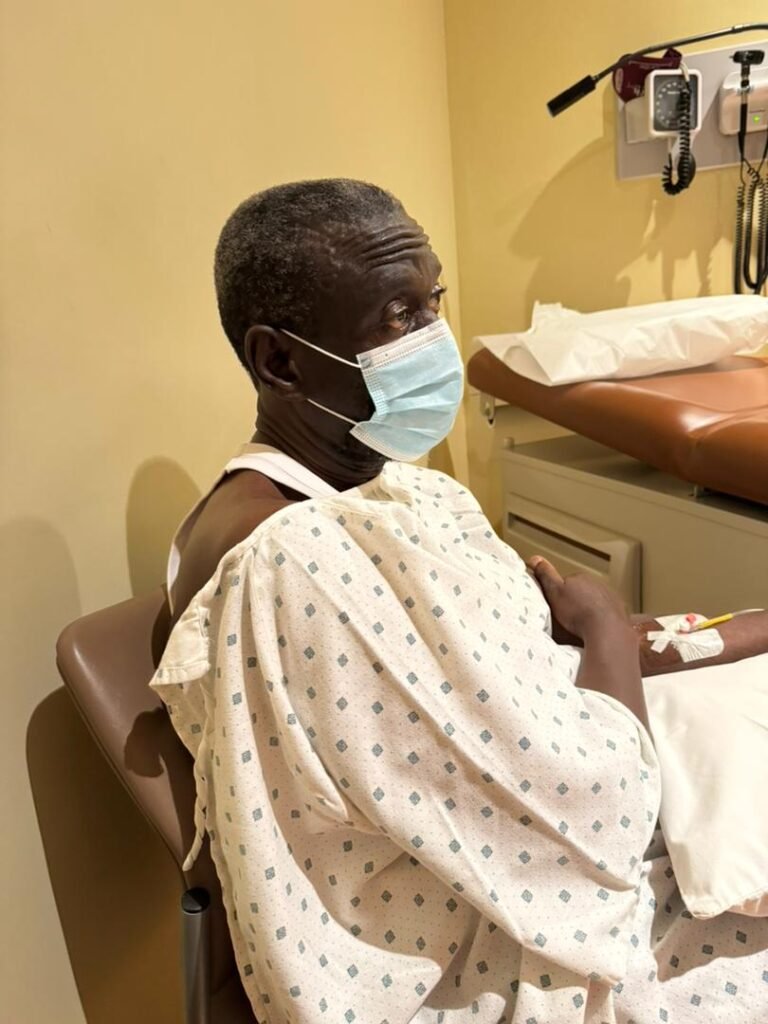
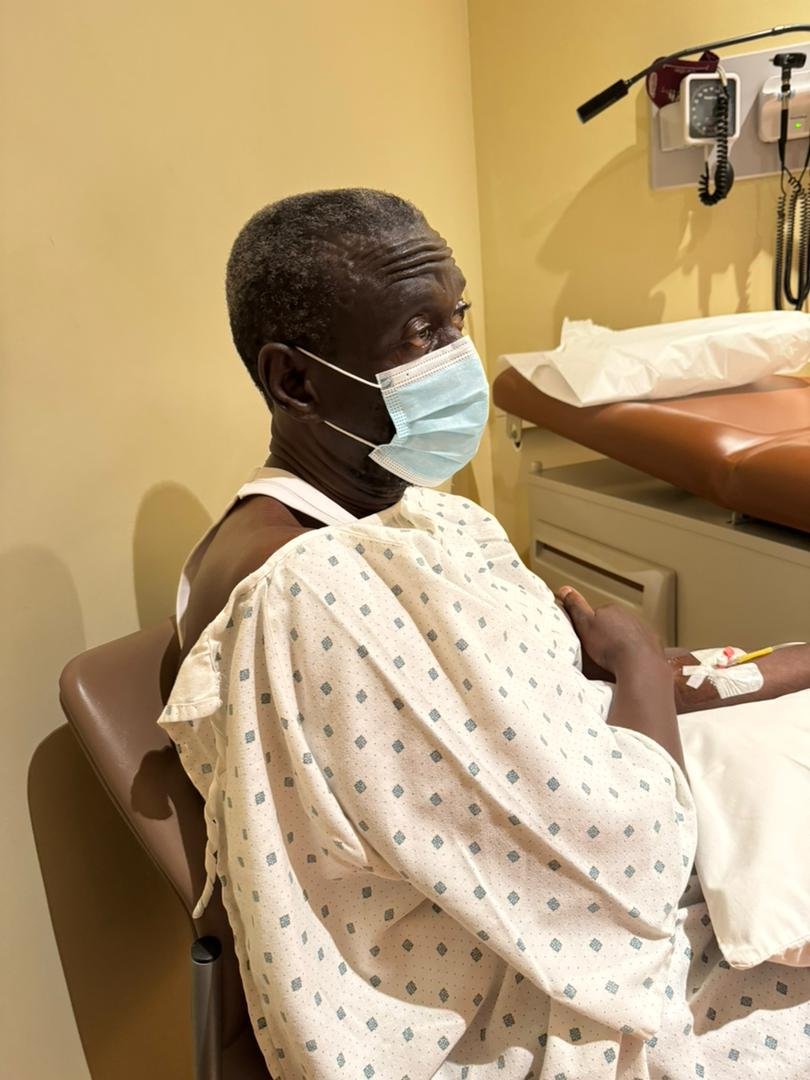
According to Byanyima’s account, dated 20 January 2026, Besigye’s health sharply deteriorated earlier this week, requiring an emergency late-night transfer to his personal doctor’s clinic. She states she was not notified by prison authorities and learned of the crisis through other means.
“When I saw him, Dr Besigye was extremely weak, shaking, running a high temperature, and suffering from severe abdominal pain,” Byanyima wrote.
She described a heavy security presence during the medical visit, including six prison officers and a plainclothes military intelligence officer who concealed her face. Upon discharge, Besigye was reportedly “bundled” into a prison vehicle. When Byanyima attempted to question the military officer, the officer fled; Byanyima claims to have photographed the escape.
The statement raises alarm that Besigye is now “effectively in the hands of the army” and that his care is being “deliberately restricted.” Byanyima alleges she has been threatened with the withdrawal of clinic access if she publicly speaks about his illness, a tactic she calls “blackmail.”
These allegations stand in direct contrast to public statements from the prison service. “This morning, despite the clear facts, the prison spokesperson publicly stated that Dr Besigye is not ill. This is false,” Byanyima stated.
She claims that following her and the PFF’s public comments, the Commissioner of Prisons has now barred Besigye from transfer to a fully-equipped medical facility. He is now limited to visits from his personal doctor at the prison’s poorly equipped sick bay, a facility where “many prisoners have lost their lives.”
The health crisis is set against a backdrop of what Byanyima describes as over a year of harsh and punitive detention. She details that Besigye has been held in prolonged solitary confinement, denied bail four times, barred from communal worship or exercise, and confined to a bug-infested cell with little sunlight.
She further links his deteriorating health to increased isolation during the recent election period, when the prison was closed to visitors and a nationwide internet shutdown was imposed.
“He is innocent, and these dirty political games must stop,” Byanyima concluded. “His continued detention, mistreatment, and denial of medical care place his life at grave risk, and those responsible will be held accountable.”
She has demanded his immediate and unconditional release so his family and doctors can provide proper care.
As of now, Ugandan prison authorities have not responded to the specific new allegations beyond their earlier denial of illness. The situation is likely to intensify scrutiny on the treatment of high-profile political detainees in Uganda.
About The Author