

“Reverse the Order”: Former MP Candidate Cites Voter Apathy, Proposes Election Sequence Overhaul
ENTEBBE. January 22, 2026 – As voters in Entebbe Municipality headed to the polls today for long-awaited Local Council (LCV) elections, a former parliamentary candidate from the same area has sounded a loud alarm over a deepening crisis of voter apathy and disillusionment.
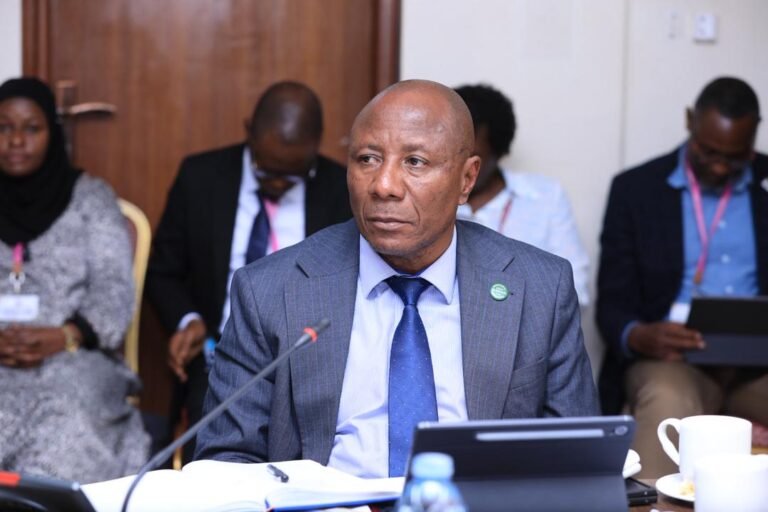
Mukungu Fredrick Albert, who participated in the Member of Parliament elections for Entebbe Municipality on January 15th but was not successful, shared stark observations from the ground. He reported notably low turnout, mood, and enthusiasm among voters, a stark contrast to the slightly higher energy seen just a week prior.
“Many of the people we are asking to go vote appear very uninterested,” Mukungu said. “Voter turnout, moods, and enthusiasm are notably low.”
He attributed this widespread disengagement to a sense of futility and fear among the electorate. “Several people have said, ‘What is the point of leaving their lives, going to stand in sunshine, face the potential heat stroke, spending all day in long lines, and then being beaten by authorities?'” Mukungu recounted. “What is the purpose of voting when we can observe several malpractices?”
Mukungu warned that if this trend continues, the act of voting in Uganda risks losing all meaning, becoming “an exercise that is slowly but surely dying out.” He noted that this decline in civic energy was evident during the campaign period, where traditional rallies have been abandoned in favour of door-to-door and business visits as candidates struggle to capture public attention.
A Radical Fix: Grassroots First, National Last
To resuscitate public engagement, Mukungu has proposed a radical restructuring of the national electoral calendar. His central argument is that the current sequence—where high-stakes presidential and parliamentary elections are held first—completely overshadows and exhausts the electorate before they can vote for local leaders.
“The local council and mayor elections are the most vital elections in any country, as these are the leaders who impact the services of the communities directly,” Mukungu emphasized. “However, this process is significantly influenced by the presidential and MP elections that occur beforehand.”
He argues that voters invest all their emotional and physical effort in the national races, leaving little left for the local polls that most directly affect their daily lives. His solution is to flip the order: hold local government elections first, followed by parliamentary and presidential contests last.
This, he suggests, would ensure grassroots leadership receives the focused civic attention it deserves. He also posited an ancillary benefit: “Perhaps, having presidential elections last might help businesses that use the Internet not to be disruptive,” a nod to the common occurrence of internet disruptions during Uganda’s most contentious national election periods.
Mukungu’s commentary, coming directly from a recent participant in the electoral process, highlights a significant challenge for Uganda’s democracy. As the country votes today for local leaders, his observations question whether a system perceived as flawed at the national level can sustain healthy engagement at the grassroots, and whether a simple change in sequence could help rebuild trust from the ground up.
About The Author