
Tayebwa Dismisses Claims Museveni, NRM are ‘Using’ Artists for Votes

KAMPALA – Deputy Speaker of Parliament, Thomas Tayebwa, has issued a firm rebuttal against allegations that the government is exploiting Ugandan artists for political gain, following sharp criticisms from a popular musician.
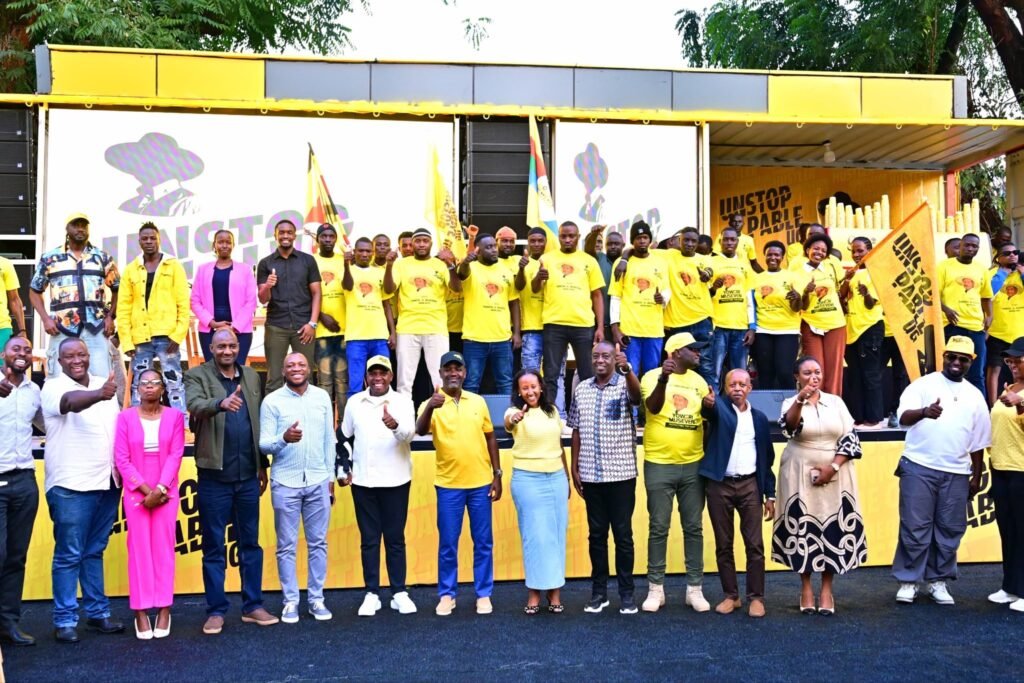
The rebuttal was directed at singer Alien Skin, who recently accused President Yoweri Museveni and the ruling National Resistance Movement (NRM) of engaging with musicians solely for their electoral support.
Alien Skin’s comments came during the launch of the “Unstoppable UG” campaign, an NRM youth-led initiative aimed at bolstering President Museveni’s re-election bid. The musician critiqued what he described as the transactional relationship between the ruling party and voters.
“The problem is that on the ground where we are, people who come to look for votes, make it as if voting is all they care about,” Alien Skin stated. “In the end, we fail to make our own demands about the real basic things we need and expect from them.”
In a direct response, Deputy Speaker Tayebwa labelled the artist’s analysis as incorrect.
“I heard my brother Alien Skin emphasising that Mzee’s only interest in artists is their votes. That is not true, we are not only looking for your vote,” Tayebwa asserted during his address.
A Call for Productivity, Not Dependency
Tayebwa insisted that the government’s primary objective is to cultivate a citizenry that actively contributes to national development, moving beyond a focus on elections.
“We want you to work harder and be more productive as a Ugandan. We want to see you helping other people,” he explained.
He pointed to Alien Skin’s own philanthropic work with the Ghetto youths under his Fangone Forest banner as a perfect example of this vision.
“Now like the Ghetto Kids that you are currently helping… we want to see more of that. If you were helping 10 we want to see 20, and for them to also support others,” Tayebwa said, framing it as a model for community empowerment.
The Deputy Speaker further elaborated that the NRM is actively discouraging a culture of dependency on the state. “We don’t want to see a citizenry that only focuses on producing children to be taken care of by the government.”
He concluded by clarifying the government’s position on the purpose of political support, stating that votes are ultimately used to establish the infrastructure and enabling environment from which all productive Ugandans can benefit.
The exchange highlights ongoing debates about the relationship between the state and the creative industry in Uganda, particularly as the country moves closer to a new electoral cycle.
About The Author