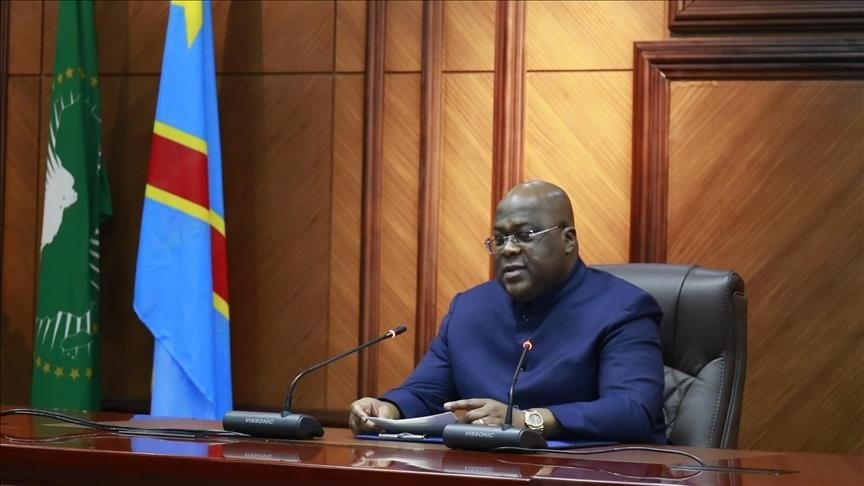
ANALYSIS | The Orchestrated Chaos: How Félix Tshisekedi is Reshaping Congo’s Politics and Regional Diplomacy
A deep examination of President Félix Tshisekedi’s governance and foreign policy since taking office reveals a complex strategy that critics and observers describe not as incompetence, but as a deliberate creation of “organized political and diplomatic chaos.” This approach, they argue, is designed to consolidate power domestically, deflect from internal governance challenges, and manipulate regional and international actors for strategic gain.
Domestic Power Consolidation Through Division
Upon assuming power, Tshisekedi initially fostered ties with Rwanda while simultaneously overseeing the persecution of Rwandophone communities within the DRC. Analysts suggest this duality was a precursor to a calculated pivot. By later adopting aggressively anti-Rwanda rhetoric—including statements about desiring regime change in Kigali—he crafted a potent nationalist narrative that mobilized electoral support.
Internally, his rule has been marked by systematic division. He dismantled the FCC-CACH coalition that brought him to power, fragmented the political opposition, and leveraged ethnic tensions. A culture emerged where anti-Rwanda sentiment became a currency for accessing political and economic privileges, drawing in extremist figures and Rwandan opposition exiles. His alliance with Burundi’s President Évariste Ndayishimiye is partly framed on a divisive “Bantous versus Nilotics” ideology, positioning them against Rwanda’s RPF.
Regional Chess: Playing EAC Against SADC
Regionally, Tshisekedi is accused of masterfully exploiting institutional overlaps and rivalries. After the M23 resurgence, he invited the East African Community (EAC) regional force into the country while strategically excluding Rwanda. Concurrently, he deepened a bilateral military partnership with Burundi.
In a parallel move, he engaged the Southern African Development Community (SADC), of which the DRC is a long-standing member, promising mineral deals to South Africa to secure its military involvement. This created a direct conflict of interest, pulling Tanzania (a member of both blocs) in opposing directions and sowing discord within SADC itself, where countries like Angola and Zimbabwe questioned the mission.
The result, observers note, was a fragmented regional response. EAC forces eventually left under Congolese pressure, while Burundian troops remained. SADC forces found themselves allied on the ground with groups like the FDLR and Wazalendo militias, leading to significant South African casualties and creating a major diplomatic rift between Pretoria and Kigali. Tshisekedi, analysts argue, successfully turned regional bodies and their members against one another.
Manipulating Peace Processes and Global Powers
Tshisekedi’s engagement with peace initiatives appears equally tactical. He initially endorsed the Nairobi (led by Uhuru Kenyatta) and Luanda (mediated by Angola’s João Lourenço) processes but is seen to have subsequently undermined them by launching competing tracks in Doha and Washington. This move marginalized African mediators in favor of wealthier, Western or Gulf-backed initiatives, causing frustration in capitals like Nairobi and Luanda.
His geopolitical outreach has been wide and often contradictory. He has flirted with Russian involvement, protested EU deals with Rwanda, and courted the United States with a proposed minerals-for-security deal that ultimately faltered. He also reignited Belgium’s role, drawing Brussels into the fray against Rwanda and severing diplomatic ties between the two European nations. By pitting African, Western, and Gulf states against each other, he has maintained a position where multiple parties are invested, but none are in control.
Exploiting International Presence
Even the United Nations peacekeeping mission, MONUSCO, became a pawn. Facing scrutiny over the 2023 elections, Tshisekedi orchestrated a popular campaign to eject the mission. However, as conflict escalated, a pragmatic, if paradoxical, partnership formed. MONUSCO, desperate to maintain relevance, is alleged to have turned a blind eye to the government’s collaboration with armed groups like the FDLR to preserve its remaining foothold.
The Washington-Doha Dilemma
The current international focus rests on the U.S.-brokered Washington deal and the Qatari-mediated Doha process. The Washington agreement, focusing on Rwanda-DRC relations and FDLR disarmament, is now overshadowing the Doha talks aimed at internal Congolese dialogue. Critics charge that Tshisekedi has used these processes as cover, continuing military operations in South Kivu throughout. The overlapping initiatives have created a “total chaos” in diplomacy, with a high risk of both tracks collapsing amid mutual recriminations.
Conclusion: A Deliberate Strategy, Not Incompetence
The picture that emerges is not of a leader overwhelmed by circumstance, but one accused of deliberately fostering instability as a tool of statecraft. By dividing opponents at home, pitting regional powers against each other, and juggling competing international patrons, Félix Tshisekedi has, according to this analysis, built a fortress of orchestrated chaos. This strategy consolidates his domestic position by presenting him as a nationalist defender while externalizing the root causes of the DRC’s crises. The enduring cost, however, is measured in prolonged conflict, regional instability, and the profound suffering of Congolese civilians caught in the crossfire. As one observer starkly put it, he is “not dumb, but a time bomb.”
About The Author