U.S. Expands Travel Restrictions, Adding Nigeria and Tanzania to List of Affected Nations
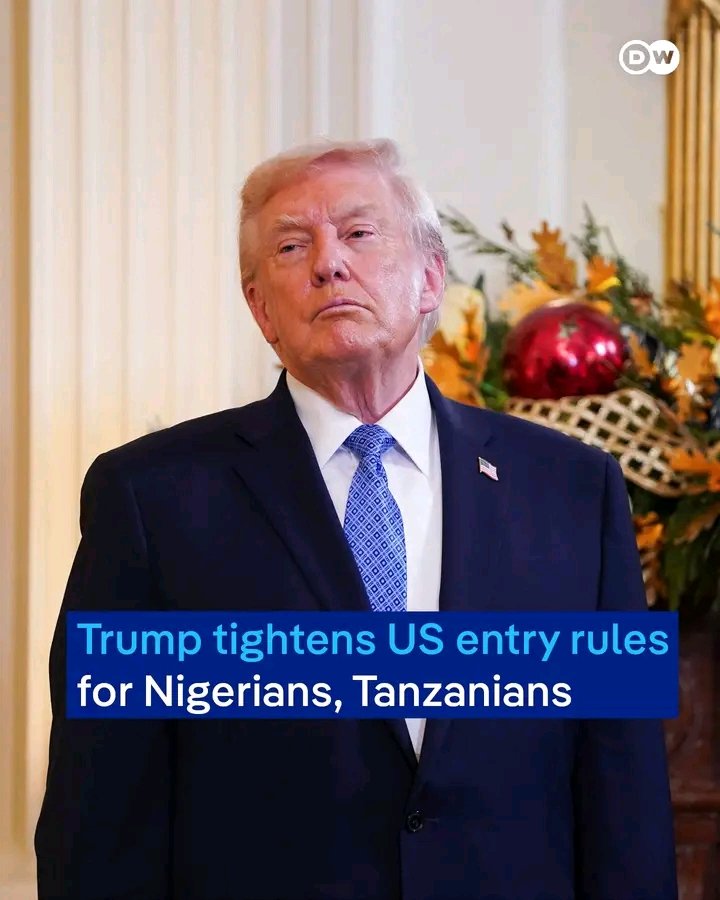
In a significant expansion of its immigration and travel policy, the Trump administration announced new entry restrictions on Friday targeting several countries across Africa and the globe. The policy imposes partial visa limitations on citizens from Nigeria and Tanzania, two of the continent’s most populous nations and key U.S. partners.
The new measures create a tiered system of restrictions. For Nigeria and Tanzania, the limitations apply specifically to individuals seeking immigrant visas for permanent residence, as well as certain non-immigrant visas for visitors, students, and exchange participants. This means citizens from these countries will be barred from obtaining visas that could lead to permanent U.S. residency.
A broader list of African nations faces partial restrictions, including Burundi, The Gambia, Malawi, Senegal, Gabon, Zambia, and Zimbabwe. Meanwhile, a separate group of countries is subject to a full suspension of entry into the United States. This list includes Burkina Faso, Niger, Mali, Sierra Leone, South Sudan, Eritrea, Sudan, the Republic of Congo, and Somalia.
White House officials stated the decisions are not based on religion or race but on security assessments and deficiencies in partner nations’ information-sharing and identity-management protocols. “These countries, for the most part, want to be helpful but for a variety of different reasons simply fail to meet those minimum requirements that we laid out,” said a senior administration official, citing issues with passport integrity and a failure to adequately share security and criminal data.
The administration also highlighted visa overstay rates as a key factor, particularly for Nigeria. Homeland Security data indicated a high rate of Nigerians overstaying their temporary visas, contributing to the decision to suspend immigrant visas.
Not all African nations are affected. Several major economies and diplomatic partners, including Ghana, Kenya, South Africa, Uganda, and Rwanda, are absent from the new lists. Their citizens remain eligible to apply for all visa categories under existing U.S. rules.
The policy expansion is a dramatic reshaping of the controversial travel ban first instituted in 2017, which initially targeted several Muslim-majority nations. The latest iteration brings the total number of countries facing full or partial restrictions to 13, with a significant focus on the African continent.
Reactions from affected nations are anticipated, with potential implications for diplomatic, economic, and educational exchanges.
About The Author