U.S. Imposes Sanctions on Rwanda, Saying It Sabotaged Trump Peace Deal
NAIROBI, Kenya — The United States imposed sanctions against Rwanda’s military on Monday as punishment for actions that it said sabotaged a peace deal in the Democratic Republic of Congo.
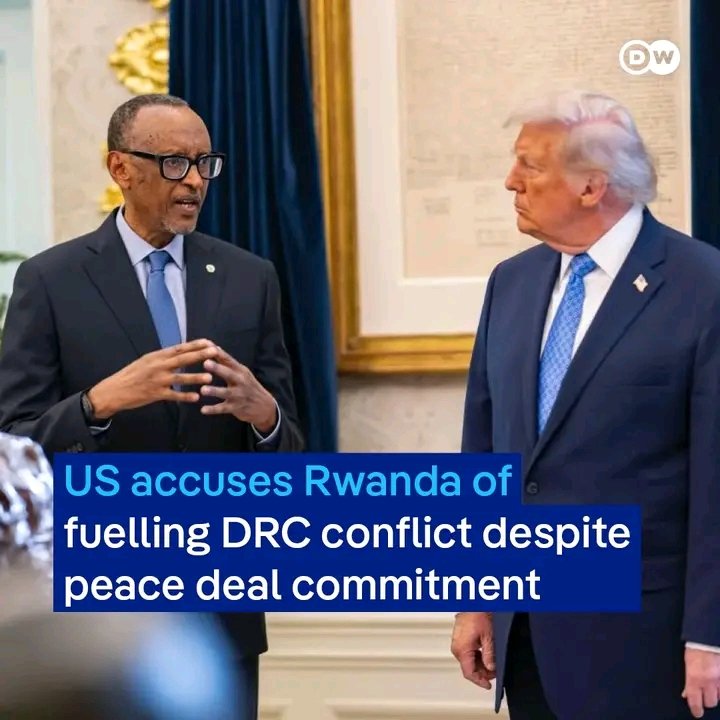
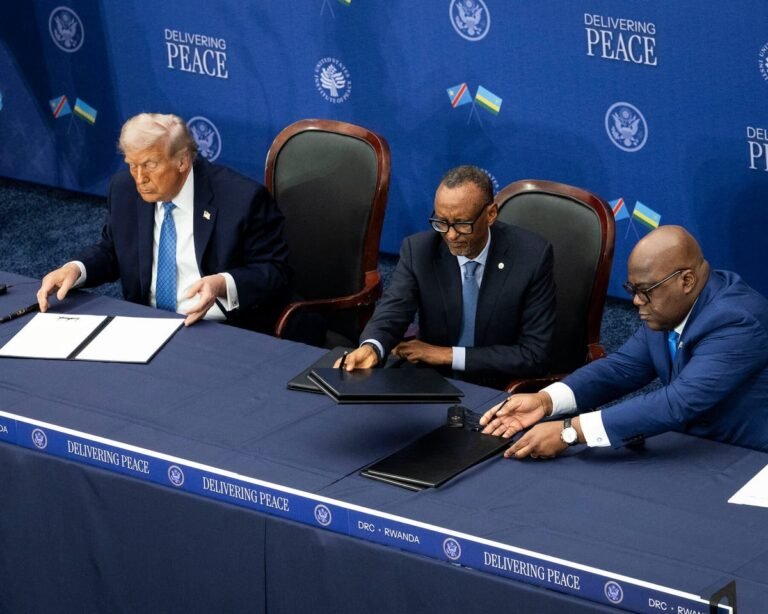
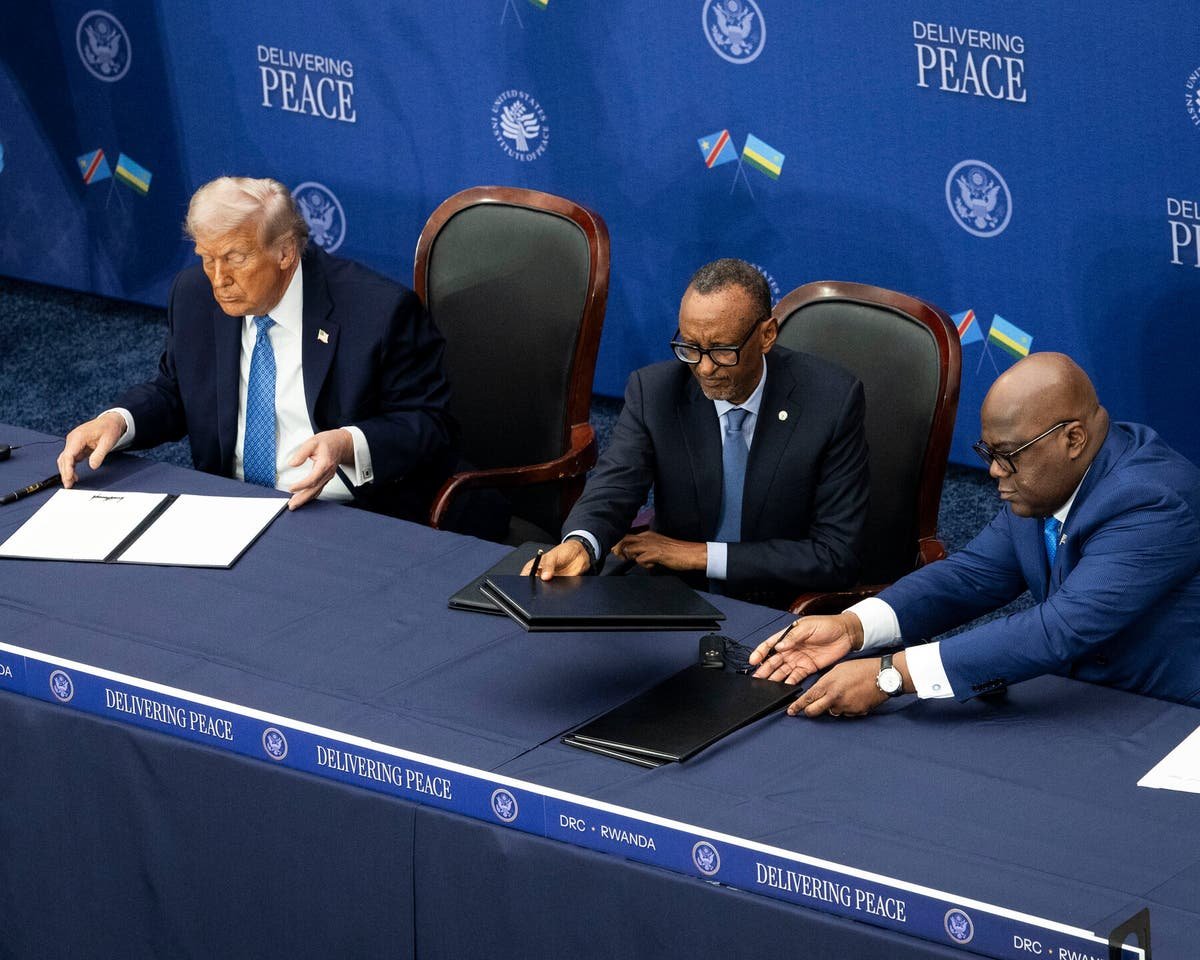
The Washington Accords, signed by the leaders of Congo and Rwanda in December after they were first agreed upon in June, are among a series of peace deals that President Trump, who has declared his wish to be given the Nobel Peace Prize, has announced in the past year.
Mr. Trump said in June that the deal, which aimed to end the conflict between Congo and Rwanda, was a “glorious triumph,” but he warned that any party that violated the agreement would face severe penalties.
The sanctions decision is a sharp setback for Rwanda, which has for decades enjoyed close relations with the United States, Britain and other European countries and has been praised for rebuilding the country since a genocide in 1994, as well as its participation in various peacekeeping operations in Africa.
Just days after the December signing ceremony, M23, a rebel group backed by Rwandan forces, took control of the city of Uvira in the South Kivu region of eastern Congo, an escalation in a war that has raged intermittently for decades.
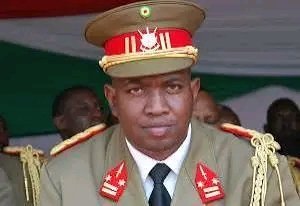
Under pressure from the United States, M23 withdrew from Uvira, which is on Congo’s border with Burundi. But on Monday, the U.S. Treasury imposed sanctions on the Rwanda Defense Forces and four of its most senior officials, including the Army’s chief of staff, Maj. Gen. Vincent Nyakarundi.
It argued that Rwanda trained, supported and fought alongside M23 when the group took over the Congolese cities of Goma and Bukavu last year, leading to human rights abuses and the flight of civilians, the Treasury statement said.
Despite the withdrawal of Rwandan forces from Uvira, M23 remains on the border with Burundi and its presence there, with the support of Rwanda, risks a broader conflict, according to the statement.
“President Trump is the Peace President and Treasury will use all tools at its disposal to ensure that the parties to the Washington Accords uphold their obligations,” said Treasury Secretary Scott Bessent.
The U.S. government expects the “immediate withdrawal” of the Rwanda Defense Forces as well as its weapons and equipment, the statement said.
Rwanda has provided advanced military equipment including drones, GPS jamming facilities and other air defense systems to the rebels, the statement said. President Paul Kagame of Rwanda, in a recent speech, deflected accusations that the country was fighting in Congo.
Rwanda’s Response
Rwanda’s government said on Monday that the sanctions unjustly targeted only one party to the conflict and misrepresented the facts.
The Congolese government had violated the agreement with indiscriminate drone attacks, as well as ground offensives, the Rwandan government said in a statement. It also accused the government in Kinshasa of employing ethnic militias as well as mercenaries.
“Rwanda remains committed to delivering on all aspects of the Washington Accords,” it said.
Rwanda also argues that it has a vital security interest in eastern Congo, in part to thwart any possible resurgence of the forces that committed the genocide in 1994.
The country has gained diplomatic clout far beyond that of many other African nations, sponsoring global sports teams and hosting major events and conferences. It has also sent troops to Sudan and the Central African Republic under the auspices of the United Nations, and to Mozambique under a bilateral agreement. An insurgency in northern Mozambique threatens a major European gas project there.
It was unclear whether the sanctions would affect Rwandan involvement in those peacekeeping efforts.
Economic Context
The peace deal, while important as part of Mr. Trump’s wider geopolitical efforts, was also intended to make Congo’s abundant minerals more accessible to American companies. The United States is particularly interested in Congo’s reserves of copper and cobalt, which are used to make batteries for products including cellphones and electric vehicles.
The economic deals are part of an effort to help the United States compete with China on critical minerals. The United States is also investing in a railway project, the Lobito Corridor, that would reach from the Atlantic Ocean to Angola’s border with Congo.
As long as the conflict rages in eastern Congo, progress on any deals is likely to be limited, according to analysts. The Treasury statement said that Rwanda’s security dominance over eastern Congo has enabled a roaring trade in minerals, which are exported through Rwanda, and whose profits have been used to finance M23.
About The Author