U.S. Senators Condemn Uganda’s 2026 Election, Demand Accountability and Aid Review
WASHINGTON — January 25, 2026
Prominent U.S. Senators have issued a strong condemnation of Uganda’s recent general election, calling the process a severe setback for democracy and urging the U.S. government to take immediate action. The statement highlights growing international concern over President Yoweri Museveni’s extended rule and the violent repression of opposition voices.
Core Demands from Capitol Hill
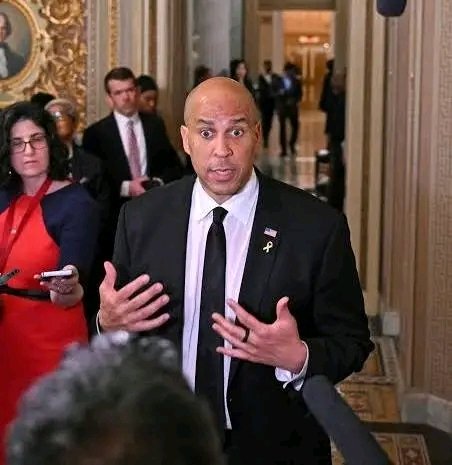
In a formal statement, Senator Jeanne Shaheen (D-NH), Ranking Member of the Senate Foreign Relations Committee, and Senator Cory Booker (D-NJ), Ranking Member of the Subcommittee on Africa and Global Health Policy, described the January 15 election as “another blow to the pursuit of democracy” in Uganda.
The senators pressed the Trump Administration and the U.S. State Department to utilize all available tools to hold individuals accountable, specifically calling for a thorough review of U.S. security assistance to Uganda.
Documented Electoral Abuses and Irregularities
The senators’ criticism aligns with widespread reports from observers and human rights organizations documenting a flawed electoral process:
· Pre-Election Repression: The campaign period was marked by a brutal crackdown on opposition activities. Security forces repeatedly used tear gas, pepper spray, and beatings to disrupt rallies for main challenger Bobi Wine. Numerous opposition members were arrested on politically motivated charges.
· Election Day Issues: Voting was marred by significant technical failures. Biometric voter verification kits malfunctioned in many areas, causing delays of up to four hours. The national electoral commission advised officials to use paper registration lists instead.
· Internet Shutdown: Just days before the vote, the government imposed a nationwide internet blackout, severely restricting information flow and the ability to monitor the process. Authorities claimed it was to stop misinformation and violence, but critics called it an effort to hide fraud and stifle dissent.
· Post-Election Violence: After polls closed, deadly violence erupted. In Butambala District, security forces shot at least ten people at the home of an opposition MP who was gathering to follow results. Police claimed they were attacked by opposition supporters armed with machetes.
Official Results and Rejection
Uganda’s Electoral Commission declared the final results on January 17, 2026:
· Yoweri Museveni (National Resistance Movement): 71.65% (7,946,772 votes)
· Bobi Wine (National Unity Platform): 24.72% (2,741,238 votes)
· Voter Turnout: 52.5%
Bobi Wine and other opposition candidates categorically rejected the results. In an exclusive interview with Al Jazeera from hiding, Wine alleged systematic fraud, claiming to have video evidence of electoral commission officials ticking ballots in Museveni’s favor. He stated he was forced into hiding after security forces raided his home, where his wife and family remain under house arrest.
International and Regional Observer Assessments
International observers presented a mixed but critical view:
· African Union Mission: Former Nigerian President Goodluck Jonathan, leading an AU observer mission, stated the election day itself was relatively peaceful with no evidence of ballot stuffing. However, he condemned the climate of fear created by “intimidation, arrest and abductions” and criticized the internet shutdown for disrupting observation and increasing public suspicion.
· United Nations Assessment: The UN stated the election was marred by “widespread repression and intimidation”.
Escalating Tensions and U.S. Policy Implications
The situation remains tense. Following the results, Defense Minister and military chief Gen. Muhoozi Kainerugaba—President Museveni’s son—reportedly issued threats against Bobi Wine, whom Museveni has labeled a “traitor” and “terrorist”.
The call from Senators Shaheen and Booker for a review of U.S. security assistance signals a potential shift in the longstanding U.S.-Uganda relationship, which has often prioritized security cooperation over democratic governance concerns. Their statement also demanded the immediate release of detained opposition leader Dr. Kizza Besigye and human rights activist Dr. Sarah Bireete.
Key Incidents Surrounding the 2026 Ugandan Election
For a quick understanding, here is a timeline of major events:
· June 2025: Incumbent President Yoweri Museveni announces candidacy for a seventh term.
· Oct-Nov 2025: Dozens of opposition party members are arrested on minor charges.
· Dec 6, 2025: Bobi Wine and supporters are beaten by security forces while campaigning in Gulu.
· Dec 31, 2025: President Museveni defends the use of tear gas against opposition supporters.
· Jan 13, 2026: Government imposes a nationwide internet shutdown.
· Jan 15, 2026 (Election Day): Voting occurs amid technical failures, delays, and a continued internet blackout.
· Jan 16-17, 2026: Deadly violence in Butambala; results are declared; Bobi Wine goes into hiding.
· Jan 19, 2026: Military commander issues an ultimatum for Bobi Wine’s surrender.
· Jan 24, 2026: U.S. Senators Shaheen and Booker release their statement condemning the election.
As Uganda moves forward under Museveni’s renewed mandate, the forceful critique from senior U.S. lawmakers places significant pressure on the Biden administration to recalibrate its foreign policy toward a key African security partner, balancing strategic interests with a commitment to democratic principles.
About The Author