
UCC Clarifies Starlink’s Role in Uganda: No Direct Consumer Launch, Wholesale Model Required
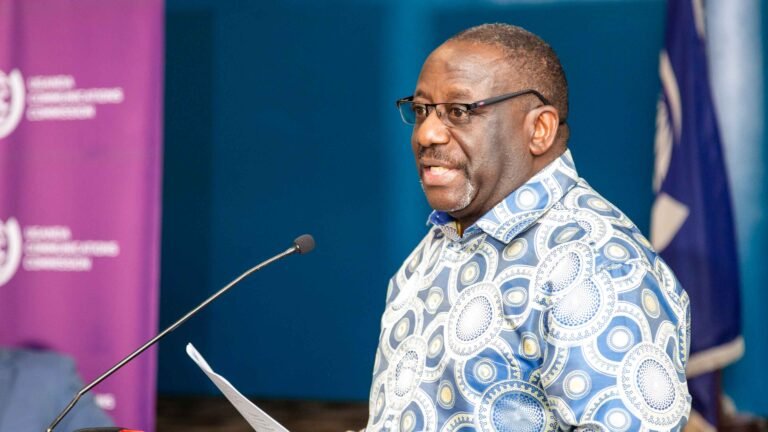
Kampala, January 8, 2026 – The Uganda Communications Commission (UCC) has moved to correct widespread public speculation regarding the imminent launch of Starlink’s satellite internet services in the country. In an official statement, the Commission’s Executive Director, Hon. Nyombi Thembo, clarified that Starlink will not be offering services directly to Ugandan consumers.
This clarification follows announcements of a group-level strategic agreement between Airtel Africa and SpaceX, Starlink’s parent company. While the agreement permits Airtel Africa to explore using Starlink’s satellite capacity, Hon. Thembo emphasized that this does not equate to an immediate retail market launch in Uganda.
What the Agreement Means (And Doesn’t Mean)
The UCC explicitly stated that:
· There will be no retail service launch of Starlink in Uganda this week.
· No approval has been granted for Starlink to operate direct-to-consumer services in Uganda.
· Starlink currently lacks the necessary regulatory authorisation to provide services within the country.
The model being advanced by the regulator is strictly a wholesale satellite capacity model. Under this framework, if Starlink meets all regulatory requirements, licensed telecom operators like Airtel Uganda would be able to purchase and integrate satellite capacity into their existing network infrastructure—similar to how they use fibre optic cables or microwave links.
“Under this arrangement, the customer relationship is maintained with Airtel Uganda rather than Starlink. The service is provided under Airtel’s license, while regulatory oversight continues to fall under the Uganda Communications Commission,” Hon. Thembo explained.
Upholding Policy: The Wholesale Model
The Commission reaffirmed Uganda’s established policy on satellite technology, which welcomes it as essential for connectivity but insists on the wholesale model. This approach, guided by government, ensures satellite providers supply capacity to licensed national operators, who then serve end-users.
Hon. Thembo outlined three core outcomes of this model:
- Regulatory Oversight & National Security: It ensures compliance with laws on lawful interception, data protection (Data Protection and Privacy Act), content regulation, and treats data as a strategic national asset.
- Consumer Protection & Accountability: Ugandans benefit from local customer support, transparent pricing, dispute resolution, and enforceable service standards.
- Sustainable Industry Growth: It protects national investments, fosters fair competition, preserves jobs, and ensures tax revenue, while still enabling innovation.
The UCC also stressed that competition principles will apply, meaning any satellite infrastructure must be made available to other licensed operators on fair, equitable, and non-exclusive terms.
Path Forward: Regulatory Review and Responsible Innovation
While acknowledging the potential of Low-Earth-Orbit satellites to enhance network capacity and resilience, the UCC highlighted the need to manage associated concerns like data sovereignty and content regulation.
“The Commission is thus subjecting this initiative to a regulatory review. We anticipate the process will be efficient,” Hon. Thembo stated, assuring that any required clarifications would be communicated openly with involved parties.
The Executive Director concluded by reiterating Uganda’s commitment to embracing new technologies. “Uganda is committed to expanding connectivity… while embracing new technologies such as satellite solutions in a responsible, secure, and public-interest–driven manner,” he said.
The statement serves as a firm reminder that all services must operate within Uganda’s legal framework, with no room for “uncontrolled market entries” or launches that bypass the regulator.
About The Author