
Uganda Celebrates Rhino Return as Another Forest Faces Destruction
Conservation victory in Kidepo contrasts with looming threat to Namanve Forest Reserve
KAMPALA, Uganda — Just as southern white rhinos made a historic return to Kidepo Valley National Park this week after a 43-year absence, environmental advocates are sounding the alarm over government plans to degazette 500 acres of the Namanve Forest Reserve in Wakiso district—a move they warn could undo hard-won conservation gains elsewhere.
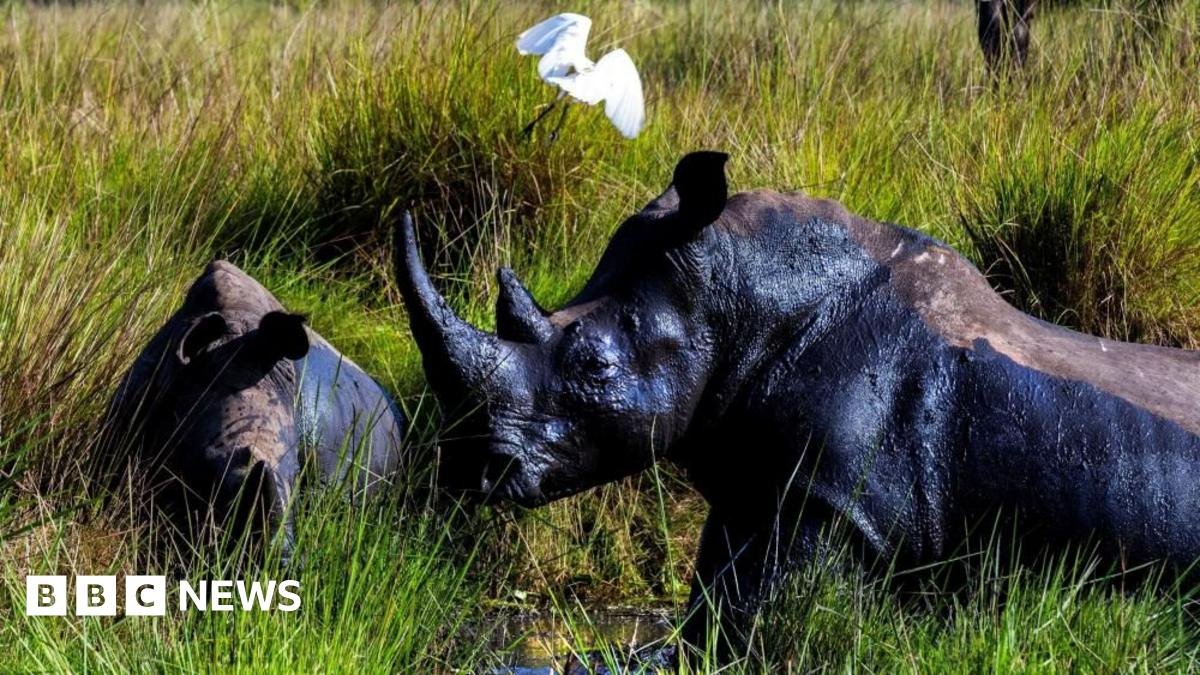
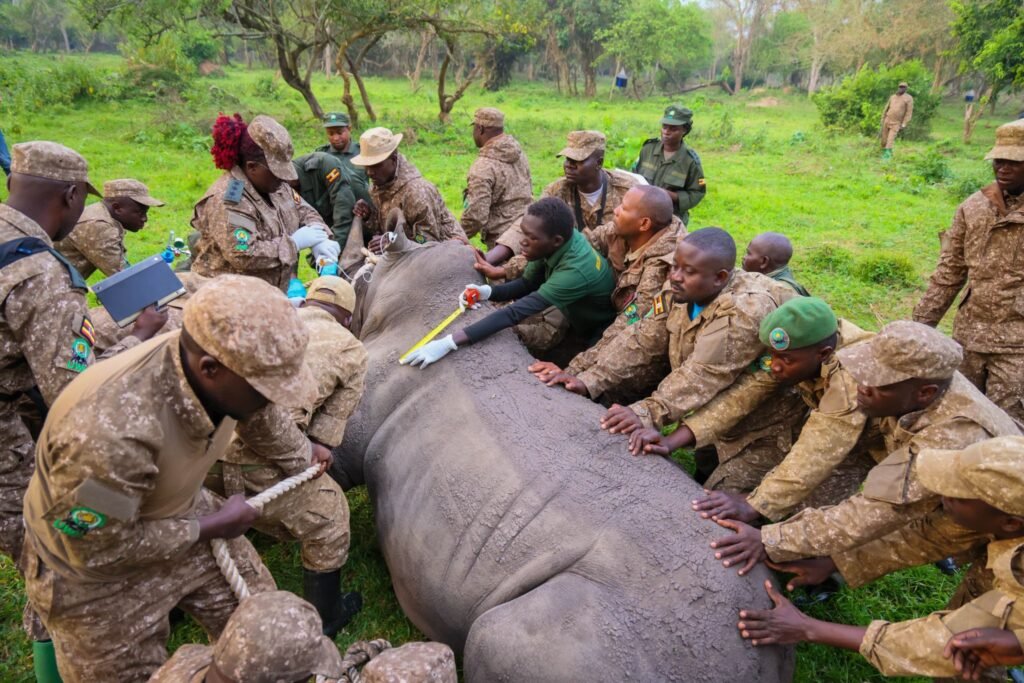
The Uganda Wildlife Authority transported the first pair of rhinos more than 500 kilometers in specially equipped trucks, with two more on the way as part of a broader plan to reintroduce eight animals to the park. The rhinos will be held in a 1,000-hectare sanctuary to acclimatize before being released into a landscape where poachers once wiped out the species entirely.
“For the first time in more than 40 years, rhinos have returned to Uganda’s Kidepo Valley National Park, where poachers once wiped them out for their horns and meat,” BBC News Africa reported. Their loss had resulted in the species’ complete extinction in the wild in Uganda.
The effort, supported by partners including the Rhino Recovery Fund, includes new ranger patrols and a command center to protect against future poaching threats. Ugandans online hailed the reintroduction as both a conservation milestone and a cultural reconnection.
Yet conservationists say the triumph in Kidepo stands in stark contrast to what they describe as a slow-motion crisis unfolding at Namanve.
A Forest Under Siege
Gazetted in 1932 at 2,170 hectares, Namanve Forest Reserve has already been drastically reduced. In 1997, 1,000 hectares were converted for industrial use. Since 2016, more than 80 hectares of trees planted by licensed farmers have been destroyed by illegal settlers and developers, according to environmental records.
Despite these losses, the remaining forest continues to serve as a critical green buffer, absorbing pollution from the adjacent Namanve Industrial Park and helping regulate the local climate. Even in 2024, government officials proposed reserving 800 acres within the industrial park as a green belt to address climate concerns—yet plans to degazette additional forest land are moving forward.
The remaining forest provides habitat for wildlife and essential resources for nearby communities, including water catchment and air purification.
A Tale of Two Conservation Paths
The contrasting narratives—one of restoration, one of depletion—highlight a tension at the heart of Uganda’s environmental policy.
Wildlife advocates point out that Kidepo itself was once stripped of its “Big Five” during the poaching crises of the 1980s. Its recovery has required decades of sustained effort, international partnerships, and government commitment. The rhino reintroduction represents the culmination of that work.
Namanve, by contrast, faces an uncertain future. Conservationists argue that development does not have to come at the expense of nature, noting that Uganda still has underused lands where industrial growth could occur without destroying vital forest ecosystems.
“Removing Namanve would erase habitats, release massive amounts of carbon, increase flooding and water pollution—damages that may never be reversed,” one environmental advocate said.
What Comes Next
With the rhino reintroduction underway, attention is now turning to whether the government will follow through on its Namanve degazetting plans. Environmental groups are calling for a reassessment, urging officials to honor earlier commitments to preserve the forest as a green belt.
As Uganda celebrates a conservation victory in the northeast, the fate of a vital forest in the country’s center remains unresolved—a reminder that protecting wildlife and protecting habitats must go hand in hand.
About The Author