Uganda Denies UN Report Alleging Airstrikes on South Sudanese Civilians as Tensions With U.S. Escalate
KAMPALA, Uganda — Uganda is pushing back against a United Nations report accusing its forces of backing deadly airstrikes on South Sudanese civilians, as the allegations spark fresh strains in bilateral relations with the United States.
The February 27 report from the UN Commission on Human Rights in South Sudan alleges that Ugandan troops, operating jointly with South Sudan’s military, conducted airstrikes on civilian targets in opposition-held areas in March 2025. The commission cited flight data tracking a Ugandan aircraft and described violations of international law.
U.S. Senator Demands Reassessment
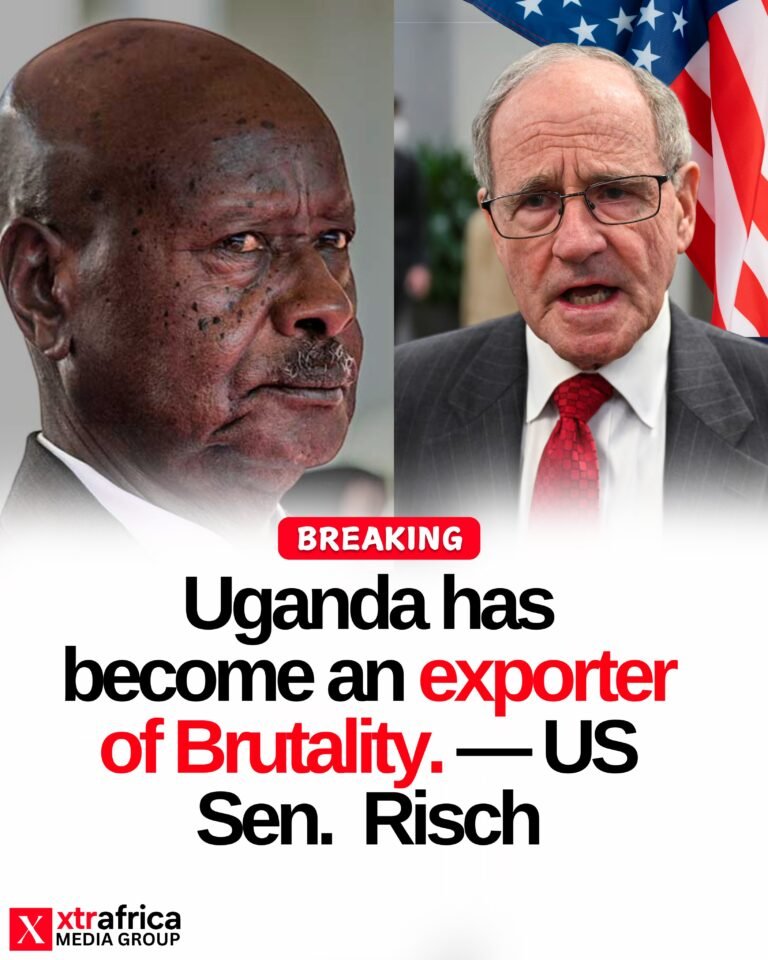
The findings prompted a sharp response from U.S. Senator Jim Risch, who called for an urgent review of America’s relationship with Uganda.
“Uganda has shifted from a reliable security partner to an exporter of brutality,” Risch posted on X. “This evidence should kickstart a reassessment of our bilateral relationship. The Admin has implemented serious repercussions for those committing atrocities in South Sudan and this is no different.”
Opposition leader Winnie Byanyima reportedly praised Risch’s stance, as concerns mount over Uganda’s human rights record and escalating violence in South Sudan.
Ugandan Officials Reject Findings
Ugandan representatives have strongly disputed the report’s credibility and methodology.
Adonia Ayebare, a Ugandan representative, dismissed the investigation as flawed, stating the report was “authored by an adhoc body with advisory role to the UN human rights council.” He claimed Uganda was not given an opportunity to respond to the findings before publication and noted that when recommendations were presented in Geneva, “Uganda was not even mentioned.”
“It is a pity that this light weight and badly sourced report is being given oxygen,” Ayebare posted, promising a detailed official response.
Frank K. Tumwebaze, a Ugandan lawmaker, accused critics of hypocrisy, defending Uganda’s regional role. “If you can’t comprehend the role Uganda has played in stabilizing the region (from Sudan to Somalia) by averting the most complex human catastrophies, then you are either lost or being pretentious,” he wrote, adding that President Yoweri Museveni could “offer free lessons” on Uganda’s stabilization efforts.
UPDF: Mission is Legitimate
In an official press release, the Uganda Peoples’ Defence Forces (UPDF) categorically denied targeting civilians, calling the operation in South Sudan “completely legitimate.”
The UPDF stated it was invited by South Sudan’s sovereign government, with deployment approved by Uganda’s parliament. The military emphasized it has “NEVER targeted civilians in its 45-year cherished history,” describing itself as “extremely popular with the people wherever it operates.”
The statement highlighted Uganda’s track record in peace support operations across Somalia, eastern DRC, and South Sudan, asserting that local populations “are happy with UPDF operations” which it says prevented widespread fighting in Juba and halted atrocities by the White Army.
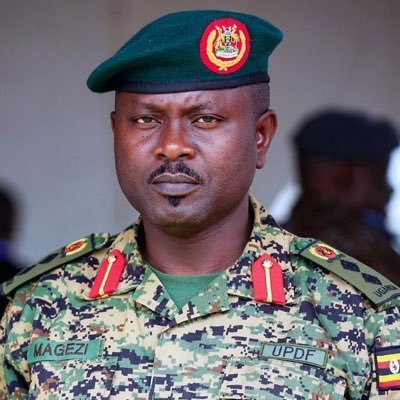
Colonel Chris Magezi, Acting Director Defence Public Information, dismissed the UN report as “not exhaustive” and accused media of biased reporting that ignores Uganda’s repeatedly communicated positions.
Regional Context
The diplomatic clash comes amid intensifying conflict in South Sudan and follows a period of strained U.S.-Uganda ties over human rights concerns. Uganda maintains that its military presence in South Sudan is aimed at fostering political dialogue, preventing widespread violence, and ensuring regional stability.
About The Author