
UNEB Announces 2025 PLE Results, Reveals Plan to Abolish Aggregate Grading Amid Cheating Crisis
The Uganda National Examinations Board (UNEB) has released the 2025 Primary Leaving Examination (PLE) results, reporting a rise in candidature and a slight improvement in top-grade performance. Concurrently, the board has declared a renewed and urgent push to abolish the longstanding aggregate grading system, citing its direct role in fuelling rampant and sophisticated examination malpractice across the country.
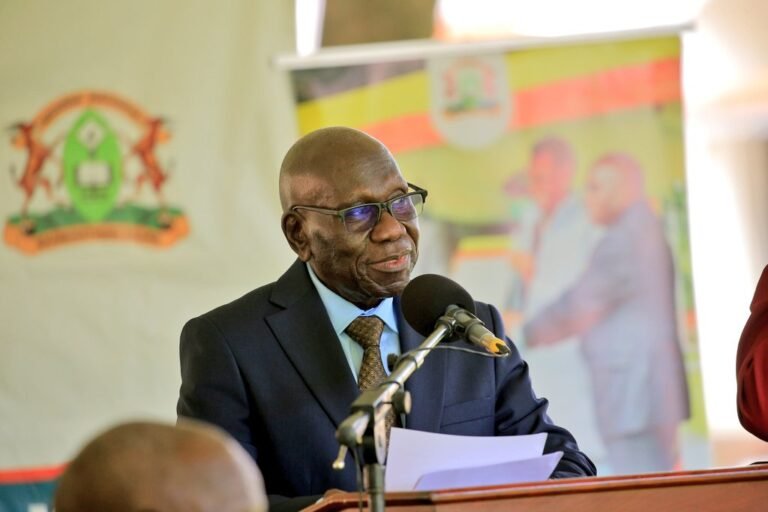
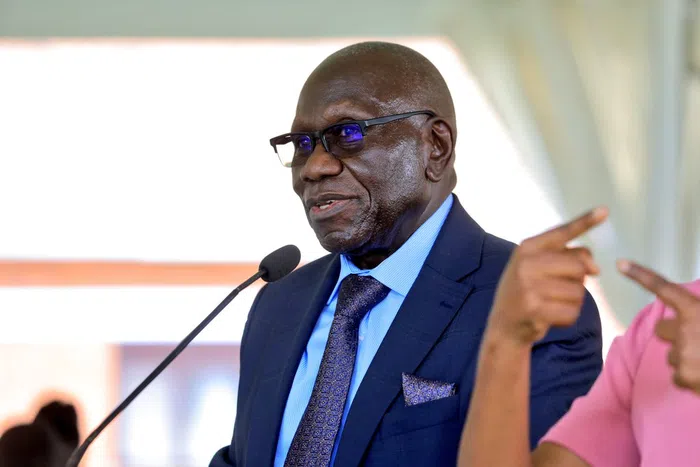
A total of 817,883 candidates from 15,388 centres sat for the exams held on November 3rd and 4th, 2025. This marks an increase from the 797,444 candidates in 2024. UNEB Executive Director Dan Odongo noted that boys outperformed girls and recorded a lower failure rate. He reported that more candidates achieved Division One (Grade One) compared to the previous year, with the vast majority of the over 730,000 who passed expected to find places in secondary and vocational institutions.
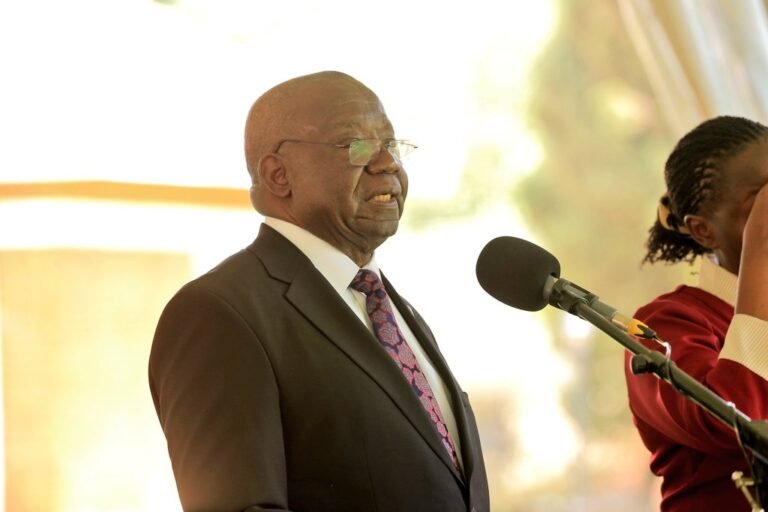
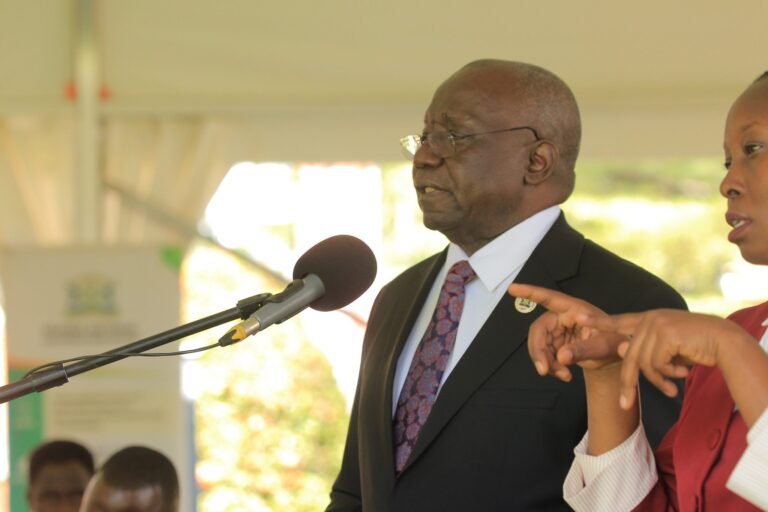
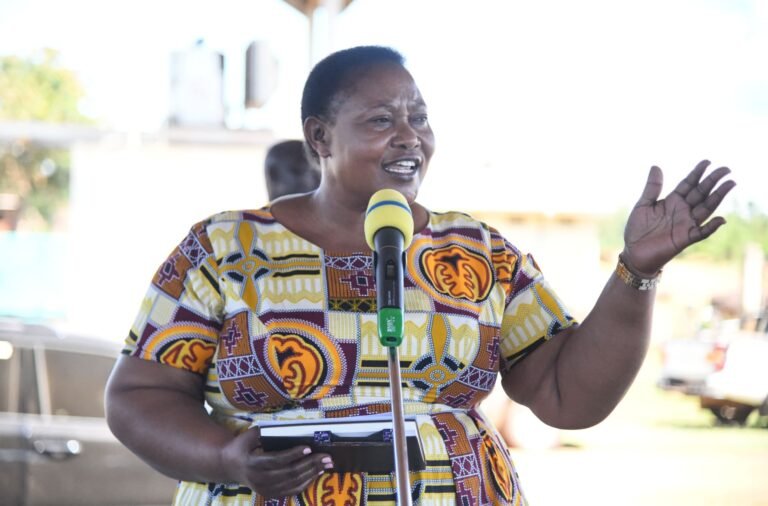
However, the results announcement was dominated by a stark warning from UNEB Board Chairperson Celestine Obua regarding systemic cheating. He revealed that the aggregate system—where a lower total score is better—has become a “gold standard” for school ranking, creating unhealthy competition and desperation.
“The board has witnessed an increase in the level of desperation on the part of school directors and head teachers,” Obua stated. He detailed sophisticated schemes involving head teachers, directors, compromised scouts, and even complicit district education officials who tamper with exam envelopes to access papers before or during exams.
Investigations traced a major malpractice epicentre to a private school in Kassanda District, leading to arrests, including a district inspector of schools. Networks of schools sharing exam materials via WhatsApp groups were also exposed. So far, eight individuals have been convicted, with others on bail or remand and more suspects being pursued.
Against this backdrop, Obua directly appealed to the Minister of Education and Sports, Janet Museveni, to approve proposals first tabled in 2021 to reform the PLE grading and reporting system. The earlier plan was deferred due to COVID-19 disruptions. Obua argued that changing the system is now essential to curb cheating, restore exam integrity, and refocus assessment on genuine learning outcomes.
On curriculum delivery, Odongo pointed out that while examiners praised the competency-based assessment, gaps remain. Many candidates, particularly in Social Studies and Religious Education, struggled with questions requiring practical application of knowledge, indicating that some teachers have not fully adjusted their teaching methods. He also warned that misleading last-minute revision materials from informal “examination bureaus” harmed candidate preparation.
UNEB remains committed to analysing exam performance annually to track proficiency and has initiated teacher training support in low-performing areas, with plans to expand the programme subject to funding.
The board expressed hope that the courts would impose stringent deterrent sentences on malpractice convicts as per the UNEB Act, as it seeks to safeguard the credibility of national assessments.
About The Author