

Uganda Airlines Blames Unscheduled Airport Closures for Persistent Delays
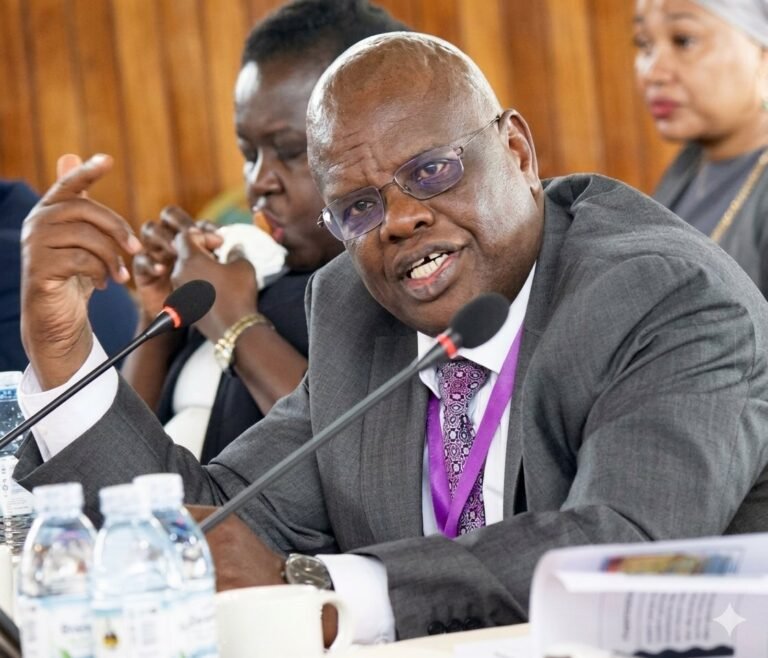
The Chief Executive Officer of Uganda Airlines, Jenifer Bamuturaki, has told Parliament that the frequent flight delays and cancellations plaguing customers are not a result of poor management but are primarily caused by external factors outside the airline’s control.
Appearing before the Parliamentary Committee on Commissions, Statutory Authorities, and State Enterprises (COSASE), Bamuturaki explained that a major disruptive factor is what the aviation industry calls “no-terms”—unscheduled, short-notice closures of airports issued by civil aviation authorities.
“These delays and cancellations are coming over a cocktail of a few things. First, you will have what airlines or aviation call no-terms. Airports will be like doing some form of cleanup of their airports, whatever they are doing, or construction of a few things,” Bamuturaki stated.
She detailed that when an airline receives such a no-term notice, it is forced to abruptly change its schedules, causing a chain reaction of delays. A delayed flight at one station can subsequently lead to cancellations on following routes.
“So, when you’re given a NOTAM , then you have to change your schedules and that causes a delay. And if the flight delays from one airport for different reasons, then there will be a cancellation,” she added.
The CEO cited that for the past three weeks, Uganda Airlines has encountered these unscheduled notices at several key destinations, including Entebbe, Bujumbura, Juba, and Dar es Salaam.
Operational Overstretch Acknowledged
While defending the airline’s management against the delays, the State Minister for Works and Transport, Gen. Edward Katumba Wamala, who also appeared before the committee, acknowledged that the national carrier is operationally stretched thin with its current fleet.
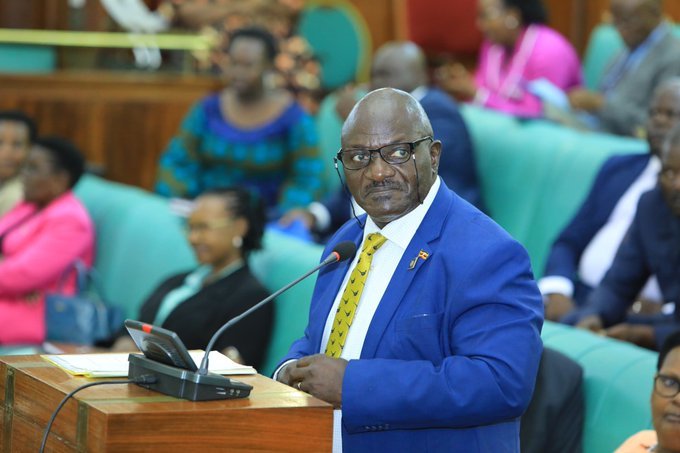
He linked this to suboptimal performance, revealing that Uganda Airlines currently handles a significant 38% to 40% of the air traffic through Entebbe International Airport.
“Actually we overstretched and that part explains why we don’t perform as expected… with the aircraft we have, we are overstretched. That’s why sometimes they have to wait for an aircraft coming from another route to land and then be worked on and go on another route,” Minister Katumba explained.
This operational constraint means aircraft are tightly scheduled, leaving little room for recovery when external disruptions occur.
Future Expansion Planned
Despite the current challenges, Minister Katumba expressed confidence in the airline’s ability to manage its planned expansion. He assured the committee that Uganda Airlines has the capability to integrate and operate the ten new aircraft expected to join its fleet, which should alleviate the current overstretch and improve schedule reliability.
The explanations from the CEO and the Minister present a dual picture of the airline’s challenges: battling unpredictable external operational hurdles from airport authorities while simultaneously managing a high workload with limited resources, a situation they hope will improve with fleet expansion.
About The Author