
Russia’s Dual Strategy: Language Programs and Foreign Recruitment in the Global South
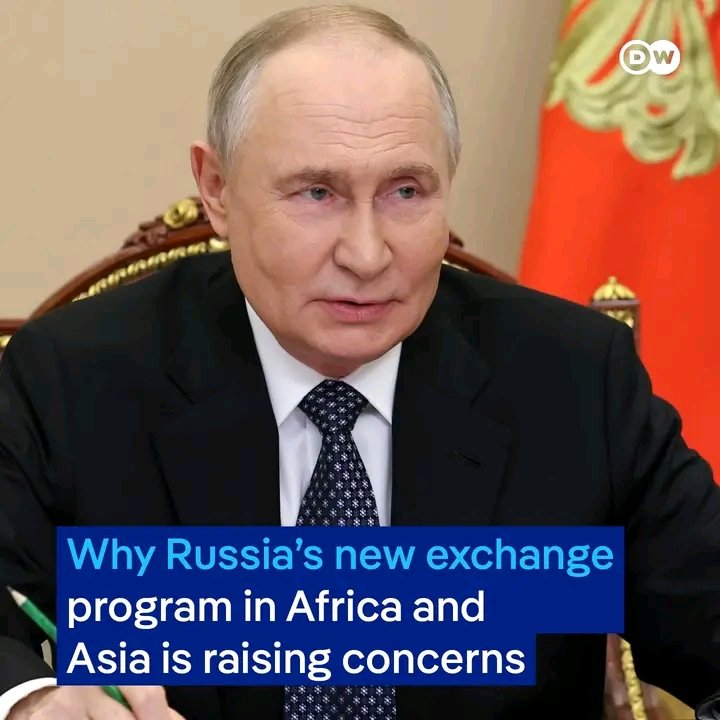
A new initiative sending Russian-language teachers on overseas internships is part of a broader Kremlin strategy to build political influence and military recruitment networks across Africa, Asia, and the Middle East, according to Ukrainian security officials.
The Center for Countering Disinformation (CCD) under Ukraine’s National Security and Defense Council reports that Russia’s federal agency for international humanitarian cooperation, Rossotrudnichestvo, is launching a project where master’s students from Moscow Linguistic University will be sent for month-long internships at educational institutions abroad. While framed as cultural exchange, Ukrainian analysts assert these programs are designed to promote pro-Kremlin narratives and cultivate influence among local elites.
🎓 Educational Outreach as a Strategic Tool
The language programs are a component of Russia’s expanding “soft power” footprint in the Global South, a diplomatic push that has intensified since the 2022 full-scale invasion of Ukraine.
· Network of “Russian Houses”: The cultural and educational centers known as “Russian Houses” are being expanded across Africa, with new locations planned for Egypt, Zambia, Tanzania, South Africa, and Ethiopia. The CCD states that these centers form a network for broader influence operations, behind which “economic and military-political tools” are traditionally hidden.
· Scholarships and Affordability: Russia is actively attracting foreign students, allocating over 5,000 state-funded university spots for African applicants in 2025 alone. Analysts note that offering affordable education is a cost-effective way to build long-term alliances.
· Historical Parallels: The strategy echoes Soviet-era tactics, where education was used to build ties with future leaders in newly independent states.
⚔️ From Classroom to Battlefield: The Recruitment Pipeline
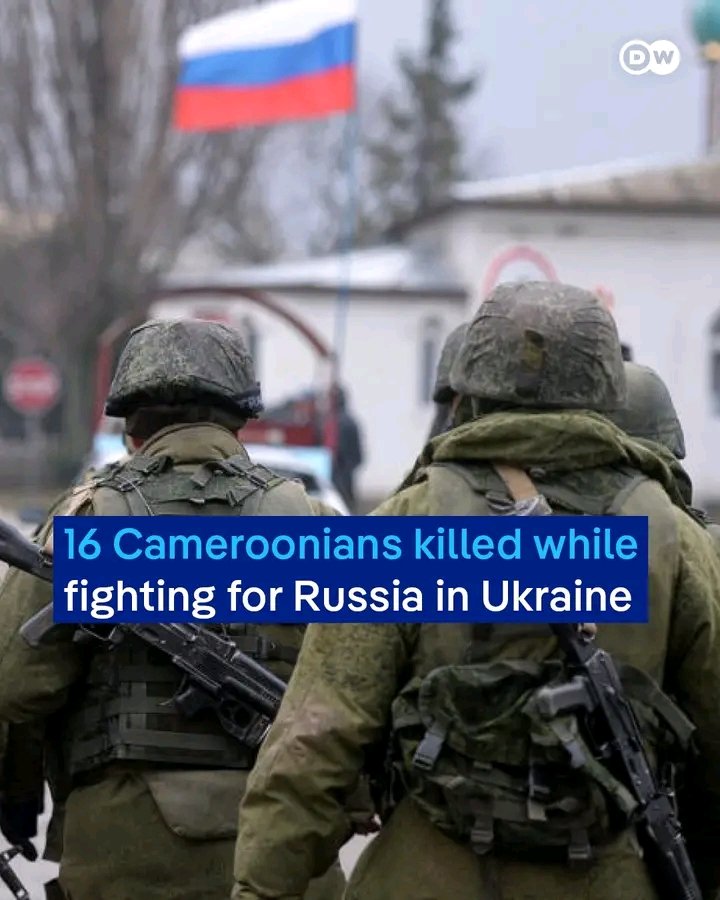
Ukrainian and international reports indicate that the Kremlin’s outreach provides a funnel for military recruitment, helping to offset staggering losses in Ukraine. Western intelligence estimates suggest Russia has suffered over 1 million casualties, including more than 250,000 deaths, since the war began.
Brigadier General Dmytro Usov, head of Ukraine’s Coordination Headquarters for the Treatment of Prisoners of War, states that Ukraine has identified over 18,000 foreigners from 128 countries and territories who have fought or are fighting for Russia. At least 3,388 of these foreign fighters have been killed.
International Reactions and Recruitment Methods
The growing scale of foreign recruitment has triggered diplomatic protests from several nations. The recruitment methods, as described by prisoners of war and government investigations, broadly fall into three categories: deception, bribery, and blackmail.
Countries that have formally protested or investigated recruitment of their citizens:
· Jordan: Demanded Russia stop recruiting its citizens after two Jordanians were killed fighting in Ukraine, calling the practice a violation of international law.
· India: The foreign ministry stated that 44 Indian nationals were fighting for Russia and was seeking their release, alleging citizens were “tricked into joining”.
· Kenya: President William Ruto expressed concern over “young Kenyans who have been illegally recruited,” with the foreign ministry uncovering a human trafficking operation disguised as an overseas job agency.
· Nepal: Has banned its citizens from traveling to Russia for work, stating scores were recruited under false pretenses.
· South Africa: Launched an investigation after 17 citizens sent distress calls from Ukraine’s Donbas region.
Recruitment tactics vary by region. Migrants from Central Asia in Russia are often pressured with threats of visa revocation or deportation. In contrast, recruits from more distant countries like Sri Lanka, Cuba, and Nepal frequently report being lured with false promises of jobs in construction, security, or driving.
Online, recruitment advertisements on Russian social media platforms have increased sevenfold since mid-2025, with one-third of military contract ads now targeting foreigners. These ads often promise high salaries, fast-track Russian citizenship, and assurances of safe, non-combat roles—promises that prisoners of war say are routinely broken.
🔍 A Coordinated Geopolitical Campaign
Analysts view the educational and recruitment drives as complementary arms of a single strategy. “Russia has created an image that projects it as anti-colonial, and Africans agree with it,” said Irina Filatova, a historian and Professor Emeritus at the University of KwaZulu-Natal. This narrative is actively promoted to gain sympathy and leverage in regions skeptical of Western influence.
The U.S. government has exposed similar Russian tactics elsewhere. In 2023, it detailed a Kremlin-funded disinformation campaign across Latin America designed to “launder” propaganda through local media to undermine support for Ukraine and promote anti-U.S. sentiment.
The Toll on Recruits
Foreign fighters who survive face a grim reality. Ukrainian Foreign Minister Andrii Sybiha has stated that signing a contract with the Russian military is “equivalent to signing a death sentence,” with many foreigners immediately sent into high-casualty “meat assaults”.
Prisoners of war have told Ukrainian investigators they received onlyone to two weeks of combat training before being sent to the front lines, often to assault units.
While Russia has previously denied coercing foreigners to enlist, the public statements from a growing number of affected nations and the consistent testimonies of captured fighters point to a systematic, global recruitment effort. As the war continues, Russia’s integration of educational diplomacy and military recruitment is likely to remain a cornerstone of its strategy to mitigate international isolation and sustain its warfighting capabilities.
About The Author