

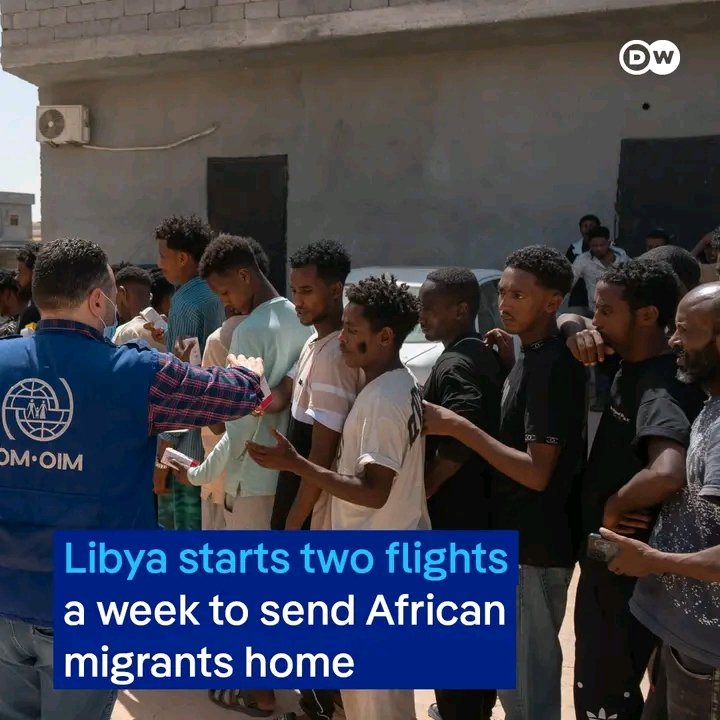
Headline: Libya Launches Major Deportation Push Amid European Pressure on Migration
TRIPOLI, Libya – Libyan authorities have announced a sweeping crackdown on irregular migration, unveiling plans to dramatically increase the deportation of sub-Saharan African migrants to their countries of origin. The move aligns with intensified efforts by European nations to stem the flow of crossings over the Mediterranean Sea.
As a primary departure point for migrants and refugees seeking to reach Europe—with Italy lying just 300 kilometers across the water—Libya holds a pivotal and controversial role in the migration route. Government officials estimate that up to 3 million irregular migrants have entered the country over the past 15 years, many arriving with families, which has raised official concerns about long-term settlement.
“The government of Libya reiterates that it will not serve as a detention center for migrants rescued at sea,” a statement declared, underscoring a shift toward accelerated repatriation. A new program specifically targeting vulnerable groups, including women, children, and the elderly, has been launched, with plans for two dedicated flights per week throughout this month.
The announcement signals a hardening stance from Libyan authorities, who face significant pressure from European partners, particularly Italy and the European Union, to prevent departures from their coastline. The EU has for years provided funding, training, and equipment to the Libyan coast guard to intercept migrants at sea, a policy heavily criticized by human rights organizations.
Those groups warn that migrants returned to Libya often face arbitrary detention in overcrowded, unsanitary centers where abuse is rampant. They also question the voluntariness and safety of the repatriation process, arguing that many migrants may be returned to dangerous conditions in their home countries.
With up to 3 million migrants estimated to be in the country, the scale of the proposed deportation operation is logistically daunting and sets the stage for a significant escalation in Libya’s migration policy, directly affecting thousands of lives and the geopolitical dynamics of the Mediterranean.
About The Author