

UCC Warns VPN Users Accessing Facebook: “We See Everything,” Says Legal Director
KAMPALA — The Uganda Communications Commission (UCC) has issued a stern warning to individuals using Virtual Private Networks (VPNs) to bypass restrictions and access Facebook, stating they are not immune to legal action.
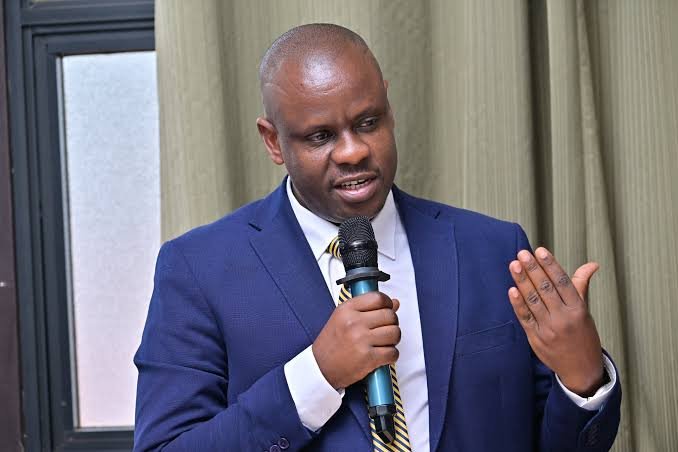
The caution was delivered by Dr. Waiswa Abudu, the Director of Legal Affairs at UCC, during a joint press conference of key stakeholders managing the 2026 general elections, held at the Sheraton Hotel in Kampala.
“We know you are using VPN to access Facebook, but that does not mean you are immune to legal action,” Dr. Abudu stated. He added a pointed message to users who believe their anonymity is secure: “We see everything, and when the time comes we can identify who posted what.”
The warning underscores the regulator’s continued stance on enforcing compliance with its directives, even when citizens employ technical tools to circumvent blocks. Facebook, along with other social media platforms, has faced periodic restrictions in Uganda during periods of political sensitivity, notably around elections.
The context of the 2026 elections lent a heightened significance to the announcement. The press conference aimed to outline preparations and stakeholder coordination for the electoral process, where digital communication and online platforms are expected to play a major role.
Dr. Abudu’s comments serve as a clear reminder that the commission claims to possess monitoring and forensic capabilities to trace online activity back to individuals, regardless of the use of privacy tools like VPNs. Legal experts note that this could potentially invoke laws related to unauthorized access, misuse of communication devices, or other cyber-related legal provisions.
The UCC has previously clashed with digital rights activists over internet shutdowns and social media blocks, which critics argue infringe on freedom of expression and access to information. This latest warning is likely to fuel further debate on digital rights, surveillance, and the limits of state authority in Uganda’s cyberspace as the country moves closer to the 2026 polls.
No specific timeline or immediate arrests were announced, but the message was framed as a pre-emptive deterrent to those engaging in online activity deemed unlawful.
About The Author