
Uganda Approves UGX8.1 Trillion Supplementary Budget Amidst Criticism of Spending Priorities
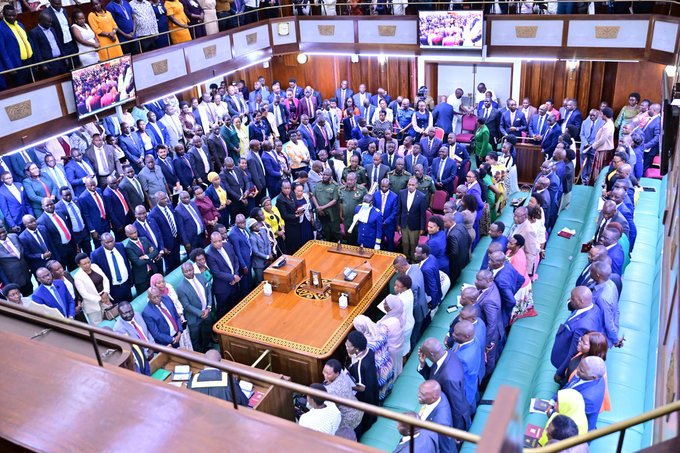
KAMPALA – Parliament has approved a massive UGX8.104 trillion supplementary budget, a move that significantly inflates the national budget for the 2025/26 financial year from UGX72.376 trillion to UGX78.631 trillion. The additional expenditure will be financed largely by new borrowing, drawing criticism over specific allocations to luxury vehicles, a private manufacturer, and staff bonuses.
The government plans to borrow UGX4.278 trillion from foreign lenders and a further UGX3.770 trillion from local commercial banks to cover what it terms “unfunded priorities.”
The approval has brought several high-value allocations under public scrutiny. Among them is an additional UGX1.195 billion earmarked for the acquisition of a station wagon and two security vehicles for the Prime Minister, Robinah Nabbanja.
Simultaneously, legislators approved UGX23.89 billion for the Uganda Revenue Authority (URA) to pay staff bonuses for exceeding revenue collection targets in the 2024/25 financial year.
A further UGX6 billion was approved for the Ministry of Tourism, Wildlife and Antiquities. The funds are intended for the commemoration of Martyrs Day across Anglican, Catholic, and Muslim faiths and to develop tourism products at the Uganda Martyrs Site in Namugongo. The government explained this was omitted from the main budget due to a change in mandate from the Ministry of Gender.
The most pointed criticism, however, was directed at a UGX37 billion allocation for the purchase of a power stabilizer for Roofings Limited, a private steel manufacturing company owned by industrialist Sikander Lalani.
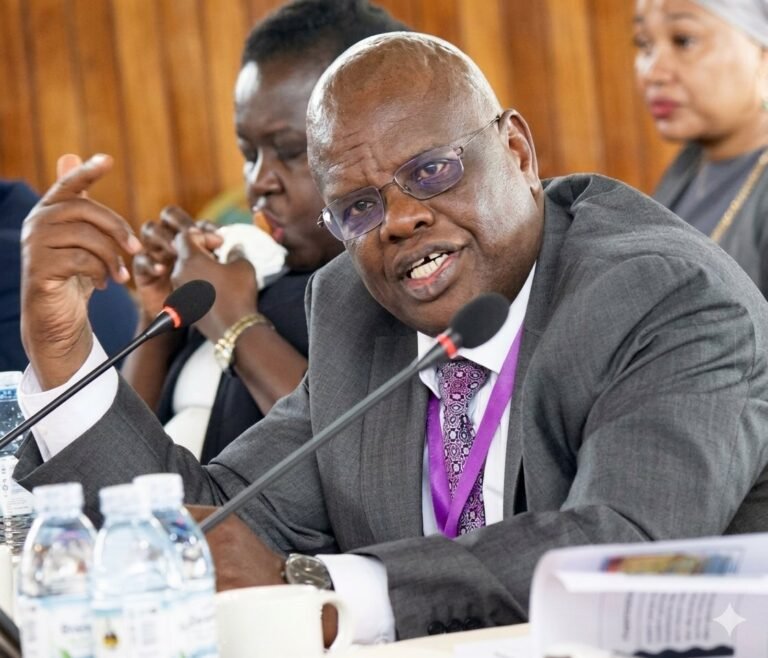
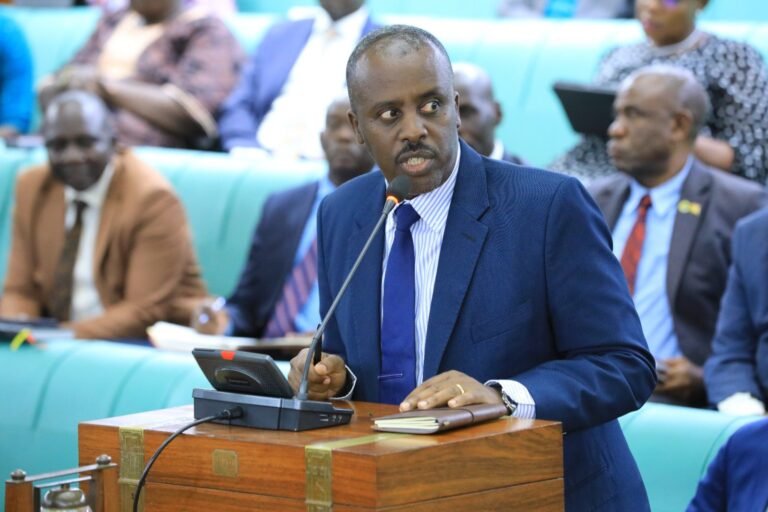
The Leader of the Opposition, Joel Ssenyonyi, vehemently criticized this expenditure during the parliamentary session. He questioned the government’s criteria for bailing out wealthy individuals while many other struggling businesses receive no assistance.
“I wonder what criteria was used [that] wealthy individuals like Sikander Lalani are bailed out, yet there are many businesses sinking in Uganda, without Government coming to their help,” Ssenyonyi stated.
The approval of the three supplementary expenditure schedules highlights the government’s continued reliance on borrowing to fund its operations and special projects, raising concerns about public debt sustainability. The new allocations, particularly those perceived as benefitting high-ranking officials and select private entities, have sparked a debate on fiscal responsibility and equitable resource distribution amidst a tightening economic environment.
About The Author