
Uganda Pledges Uninterrupted Internet for 2026 Vote, But Past Actions and Current Crackdown Cast Doubt
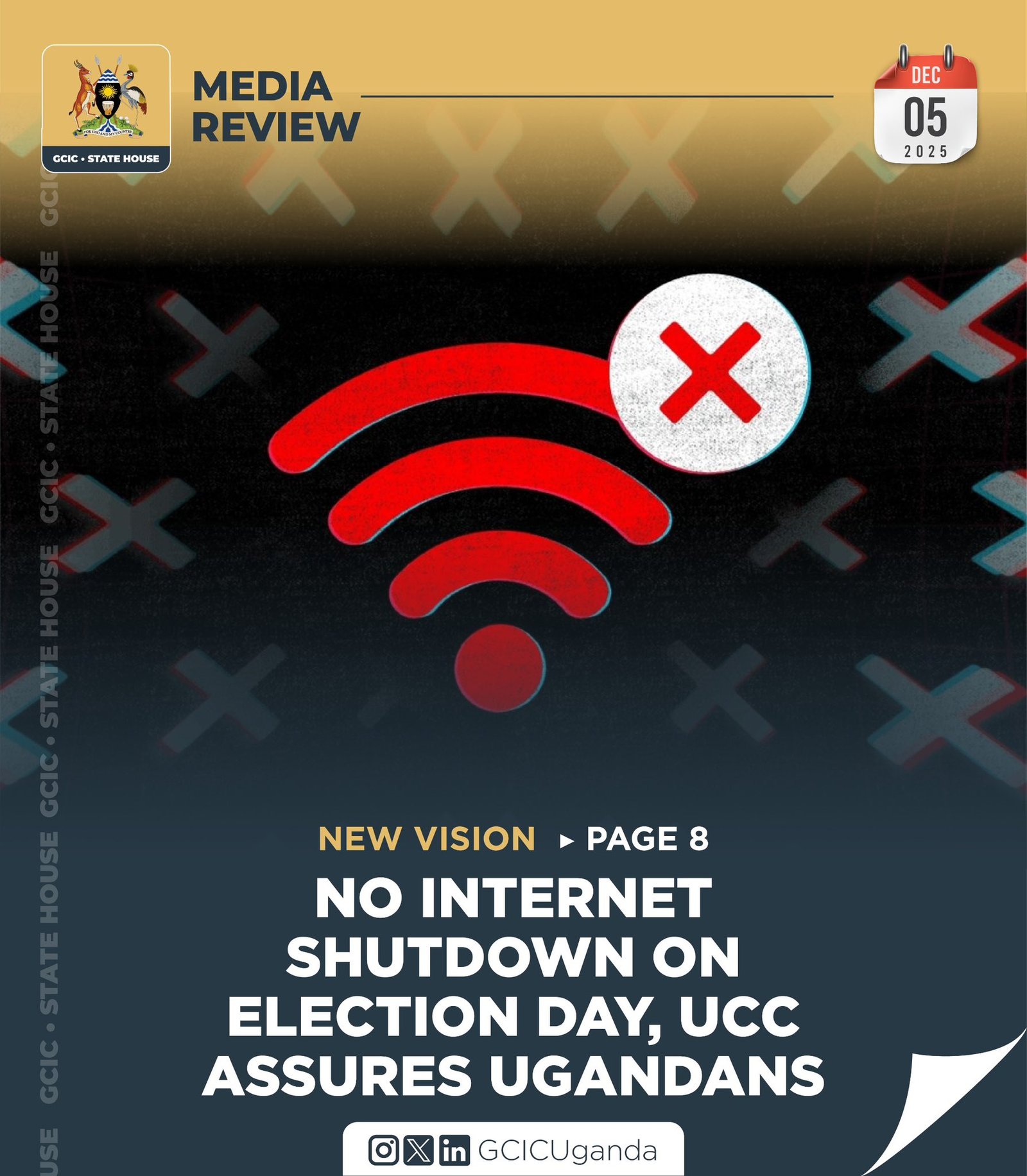
In a move aimed at reassuring citizens and the international community, a senior Ugandan communications official has promised that the internet will not be shut down during the country’s 2026 general elections. This assurance comes amidst growing concerns over digital rights and follows a history of severe internet restrictions during past electoral periods.
🗳️ A Promise Amidst a History of Blackouts
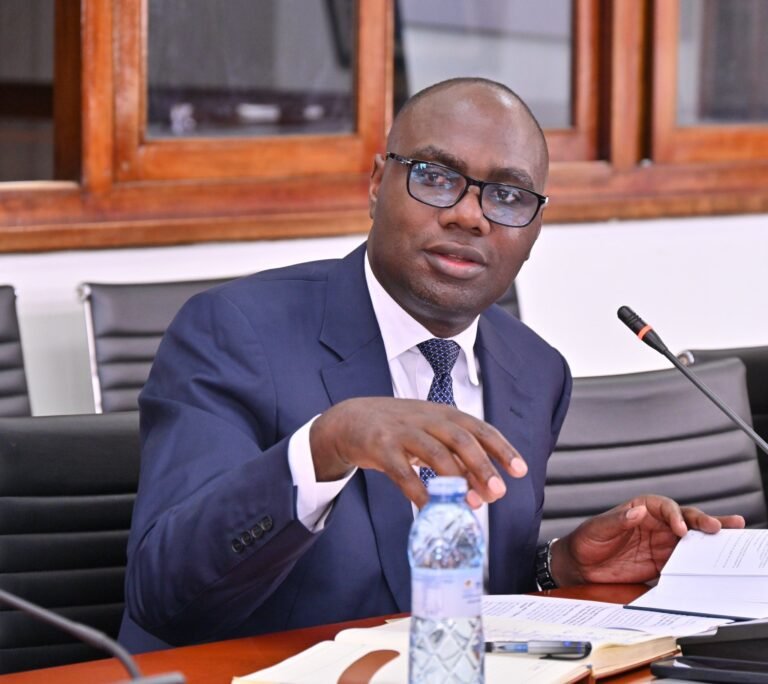
The pledge was made by Dr. Abudu Sallam Waiswa, Head of Legal Affairs at the Uganda Communications Commission (UCC). He stated that, unlike during the 2021 general election, next year’s process would proceed without such disruption.
This promise directly contrasts with the government’s actions in recent election cycles:
· 2021 Election: Authorities imposed a five-day nationwide internet blackout, starting on the eve of the January 14 vote and lasting until January 18. Social media platforms remained blocked for additional days, accessible only to those using Virtual Private Networks (VPNs).
· 2016 Election: Access to major social media platforms was blocked during voting and again during the presidential inauguration.
· Legal Challenge: The 2021 shutdown prompted the East Africa Law Society to file a case at the East African Court of Justice. They argued the action violated treaty obligations on human rights and good governance.
🔍 The Current Climate: A “Digital Clampdown”
Despite the official promise, reports indicate a tightening of control over online speech as the 2026 elections approach.
· Arrests for Online Criticism: There has been a wave of arrests targeting critics on platforms like TikTok and X (formerly Twitter). Individuals have been charged under laws like the Computer Misuse Act for content deemed offensive to high-ranking officials.
· Expanded Surveillance: The UCC has disclosed plans to import AI-powered equipment to monitor social media activity, ostensibly to filter “harmful content.” Digital rights advocates warn this could become a tool for censorship.
· Regulatory Pressure: Media houses have been warned that their employees’ personal social media posts could jeopardize their broadcasting licenses, blurring the lines between professional oversight and state-enforced censorship.
· Ongoing Blockade: Facebook has remained inaccessible in Uganda since January 2021, following a dispute between the government and the platform.
💰 The High Cost of Shutdowns
Internet blackouts have severe consequences beyond stifling political discourse. The 2021 shutdown is estimated to have cost the Ugandan economy around $9-10 million. Critical services were paralyzed:
· Mobile money transactions collapsed.
· Banking systems and ATM services were frozen.
· E-commerce platforms and online transport services like SafeBoda and Uber were disrupted.
· Access to telemedicine and essential online health information was cut off.
🤔 Will the Promise Hold?
Analysts and civil society groups view the government’s assurance with skepticism, citing the established pattern of digital repression.
· A Tool for Control: Experts argue the government views online platforms as a threat to political control. Shutdowns are seen as a blunt instrument to prevent the opposition from mobilizing support and sharing information.
· Calls for Action: Organizations like the Collaboration on International ICT Policy in East and Southern Africa (CIPESA) urge a review of laws criminalizing online expression and call for regulatory bodies to act independently to enable public discourse.
· International Attention: The situation draws scrutiny from international bodies. The U.S. State Department, following the 2021 election, called for investigations into credible reports of irregularities.
While the official pledge of an open internet during the 2026 elections offers a glimmer of hope, the tangible steps taken by the Ugandan government in the coming months—whether toward greater digital freedom or further restriction—will be the true test of its commitment.
To learn more about the specific legal arguments against internet shutdowns in the region, you can read about the case brought before the East African Court of Justice.
About The Author