
International Cybercrime Crackdown Leads to 574 Arrests and $3 Million Recovered in Africa
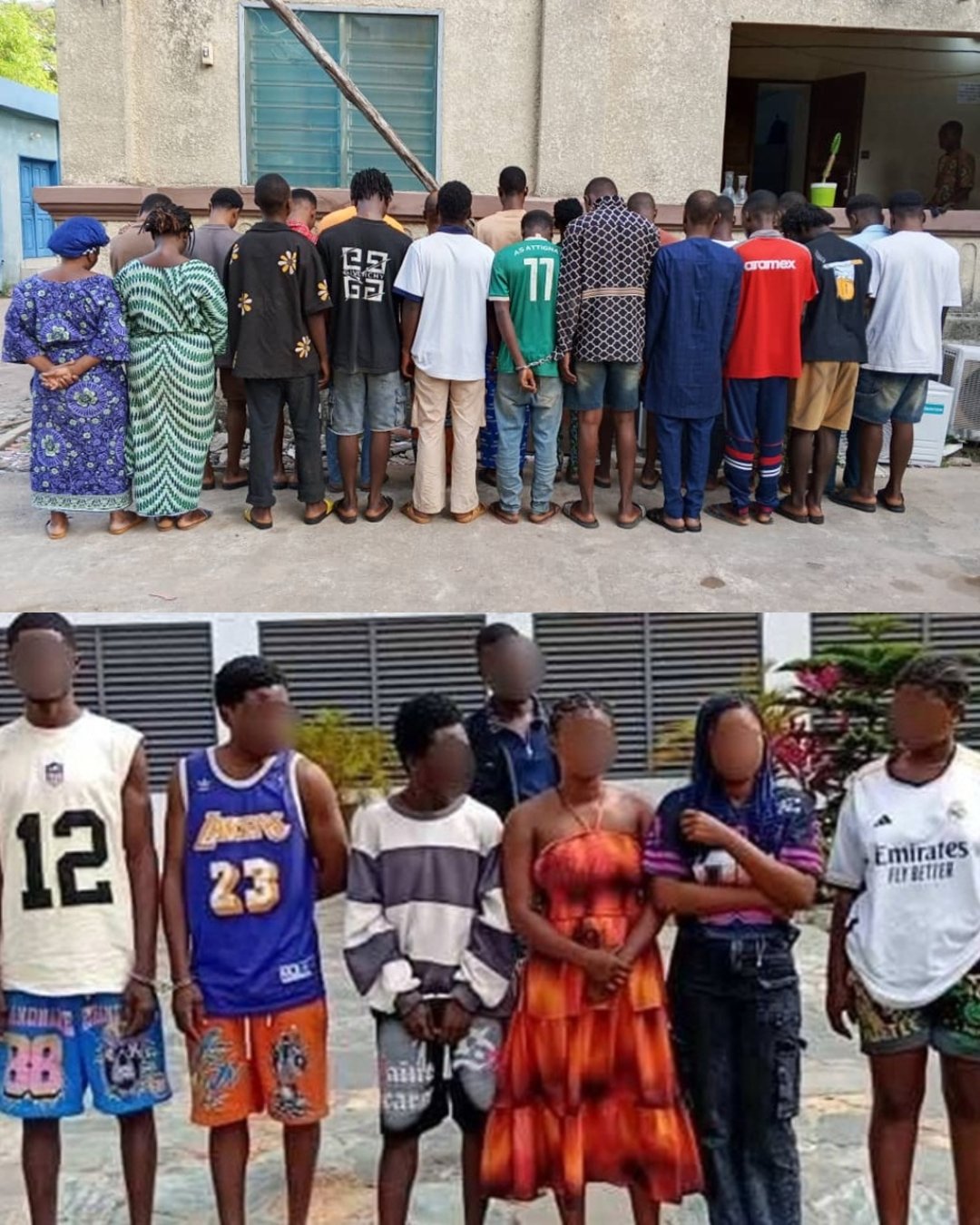
LYON, France – In a major transnational operation, law enforcement agencies across 19 African countries have arrested 574 individuals and recovered approximately USD 3 million, dealing a significant blow to organized cybercrime networks on the continent.
The coordinated month-long initiative, dubbed Operation Sentinel (27 October – 27 November), was facilitated by INTERPOL. It targeted three escalating threats identified in INTERPOL’s 2025 Africa Cyber Threat Assessment Report: business email compromise (BEC), digital extortion, and ransomware.
The operation yielded substantial technical disruptions, including the takedown of over 6,000 malicious links and the decryption of six distinct ransomware variants. The investigated cases are associated with estimated financial losses exceeding USD 21 million.
Notable Interventions Saved Millions
Rapid international coordination proved critical in preventing major losses. In Senegal, authorities successfully froze destination accounts to halt a fraudulent wire transfer of USD 7.9 million, initiated by fraudsters who had impersonated executives of a major petroleum company.
In Ghana, a ransomware attack that encrypted 100 terabytes of data and stole USD 120,000 from a financial institution was countered. Authorities developed a decryption tool, recovering nearly 30 terabytes of data and making several arrests. Ghanaian police also dismantled a transnational fraud network that mimicked popular fast-food brands, leading to 10 arrests and the seizure of over 100 digital devices after defrauding more than 200 victims.
In Benin, the operation led to 106 arrests, the shutdown of 4,318 scam-linked social media accounts, and the takedown of 43 malicious domains.
“The scale and sophistication of cyberattacks across Africa are accelerating,” said Neal Jetton, INTERPOL’s Director of Cybercrime. “The outcomes from Operation Sentinel reflect the commitment of African law enforcement agencies, working in close coordination with international partners.”
Private Sector Collaboration
Operation Sentinel was supported by vital technical assistance from INTERPOL’s private sector partners, including Team Cymru, The Shadowserver Foundation, Trend Micro, TRM Labs, and Uppsala Security. Their support aided in tracing cyberattacks and freezing illicit assets.
The operation was conducted under the African Joint Operation against Cybercrime (AFJOC) and the GLACY-e project, initiatives funded by the United Kingdom and the European Union and Council of Europe, respectively.
Participating Countries: Benin, Botswana, Burkina Faso, Cameroon, Chad, Congo, Djibouti, Democratic Republic of the Congo, Gabon, Ghana, Kenya, Malawi, Nigeria, Senegal, South Africa, South Sudan, Uganda, Zambia, Zimbabwe.
About The Author