
Israel Makes Historic Move, Becomes First Country to Recognize Somaliland
In a major diplomatic shift, Israel has become the first nation in the world to formally recognize the breakaway region of Somaliland, ending its over 30-year quest for international acknowledgment.
The announcement was made on Friday by Israeli Prime Minister Benjamin Netanyahu, who stated that the two sides had signed a joint declaration establishing full diplomatic relations. Netanyahu framed the move as being “in the spirit of the Abraham Accords,” referring to the U.S.-brokered normalization deals between Israel and several Arab nations.
Somalia Condemns “Attack on Sovereignty”
The move was swiftly condemned by the Federal Government of Somalia. In a statement released hours after Israel’s announcement, Somalia called the recognition an “attack” on its sovereignty and an “unlawful action,” reiterating that Somaliland is an “inseparable” part of the country.
Somalia’s Foreign Minister, Abdisalam Abdi Ali, participated in a coordinated call with the foreign ministers of Egypt, Türkiye, and Djibouti. The diplomats reiterated support for Somalia’s unity and warned that recognizing a region within a sovereign state sets a “dangerous precedent” in violation of the UN Charter.
A “Historic Moment” for Somaliland
For Somaliland, which declared independence from Somalia in 1991 amid a civil war, the recognition marks a pivotal breakthrough. While it has functioned as a de facto state with its own government, currency, and military, no UN member state had previously granted it formal recognition.
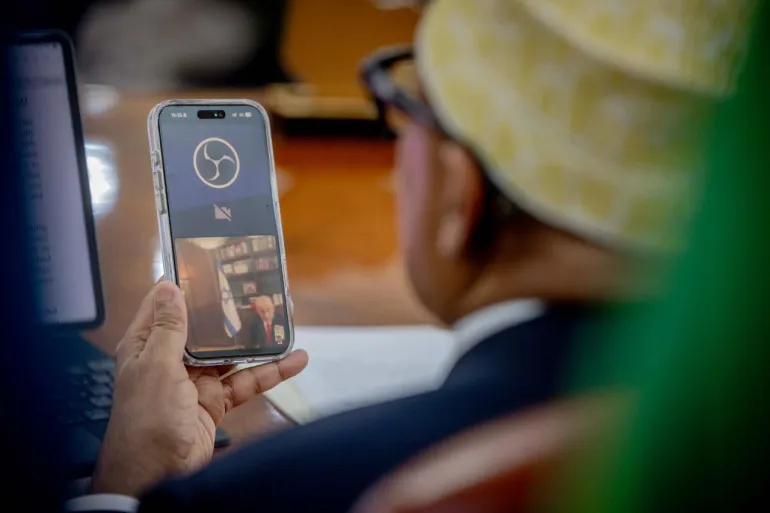
Somaliland President Abdirahman Mohamed Abdullahi, known as Cirro, celebrated the development as a “historic moment” in a video call with Netanyahu. He expressed readiness for Somaliland to join the Abraham Accords and said the partnership would advance mutual interests and regional security.
Israeli Foreign Minister Gideon Saar stated the agreement followed a year of dialogue and would lead to the exchange of ambassadors and opening of embassies.
Regional Repercussions and Complex History
The recognition has significant regional implications. It comes amidst reported U.S. disengagement from Somalia and follows a failed 2024 attempt by Ethiopia to gain sea access in exchange for recognizing Somaliland.
Analysts suggest the move could embolden other autonomous regions within Somalia’s federal system. Puntland’s interior minister hinted at strategic calculations, stating “patience pays off.”
The announcement also follows controversial reports earlier this year linking potential Somaliland recognition to plans for the forced transfer of Palestinians from Gaza. The foreign ministers of Egypt, Türkiye, Somalia, and Djibouti categorically rejected any such displacement plans in their joint call.
Unclear Path Forward
While the move represents a major victory for Somaliland’s diplomatic efforts, it is unclear whether other nations will follow Israel’s lead. The U.S., whose Republican figures like Senator Ted Cruz have advocated for Somaliland recognition, has not changed its official position.
The development injects a new layer of complexity into the volatile politics of the Horn of Africa, challenging long-standing international norms on territorial integrity and opening a new chapter in Israel’s diplomatic outreach on the continent.
About The Author