

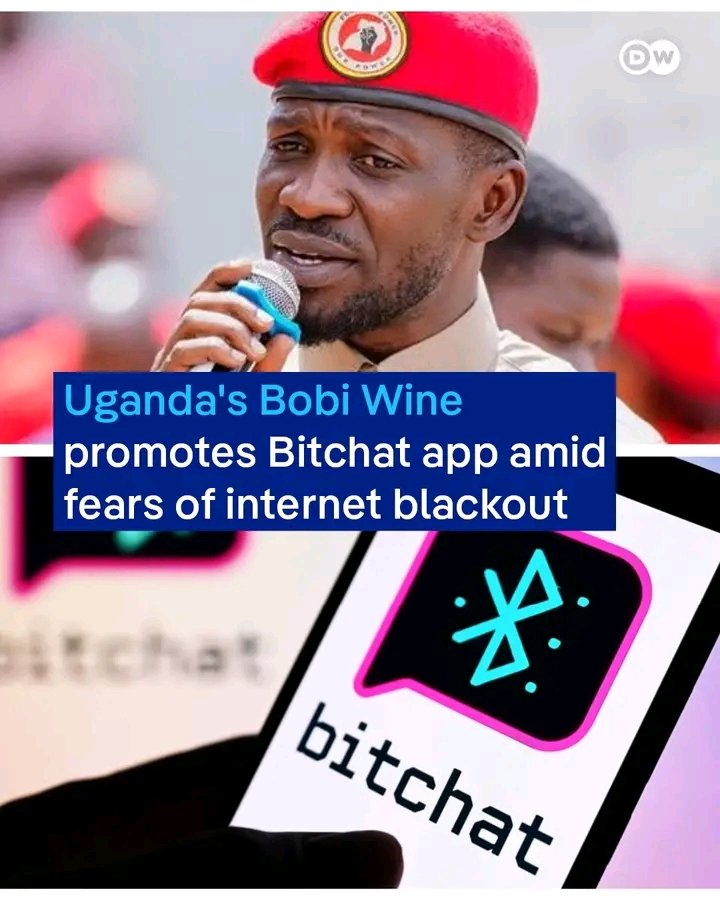
Ugandan Opposition Leader Promotes Decentralized App Ahead of 2026 Polls, Fearing Internet Shutdown
KAMPALA, Uganda — With Uganda’s presidential election set for January 14, 2026, opposition leader Bobi Wine is urging supporters to adopt Bitchat, a decentralized messaging application, as a safeguard against a potential government-imposed internet blackout.
Wine, whose real name is Robert Kyagulanyi, warned that President Yoweri Museveni’s administration could restrict internet and social media access around the election—a tactic used in previous votes. In 2021, the government imposed a four-day nationwide internet shutdown during and after the contested presidential election.
“We have seen this playbook before,” Wine stated in a message circulated online. “They want to silence us, cut off communication, and hide evidence of electoral malpractice. This time, we must be prepared.”
Bitchat, launched in July by Twitter co-founder Jack Dorsey, allows users to communicate via Bluetooth and local wireless networks without an internet connection, phone numbers, or email addresses. The app enables offline sharing of messages, files, and election-related materials, making it difficult for authorities to block.
Wine emphasized that the tool could be critical for documenting and sharing real-time election updates, monitoring polling stations, and mobilizing supporters if traditional communication channels are disrupted.
The app has already been used in environments under digital repression, including during protests in Madagascar and Nepal. Its endorsement by a high-profile opposition figure like Bobi Wine highlights growing global reliance on decentralized technology in politically volatile settings.
Uganda’s government has not commented on Wine’s call or on potential internet restrictions for the 2026 election. However, the pattern of election-related blackouts under Museveni’s long rule has raised consistent concern among human rights and digital freedom groups.
As the election approaches, the move signals the opposition’s shift toward tech-driven strategies to circumvent state controls, setting the stage for a digital dimension in Uganda’s ongoing political contest.
About The Author